
TIMESOFINDIA.COM / Mar 29, 2026, 10:00 IST
AA
Text Size
- Small
- Medium
- Large

1/7
6 critical legal risks every property buyer should know
While buying a property, one might feel that the process is simple and straightforward. However, there are a number of legal risks associated with the process that might cause financial loss to the buyer. Here are some of the key legal risks every property buyer should be aware of while making a decision. Let us now look at some of the major risks associated with the process:
Image Credit: Canva

2/7
Unclear or defective property title
If the title of the property is unclear or defective, there are a number of legal complications that might arise during the process. It is therefore imperative to ensure that the title of the house is clear and that the seller has the right to sell the house.
Image Credit: Canva

3/7
Hidden encumbrances and liabilities
The property might have some hidden liabilities such as unpaid loans, mortgages, or dues to the government. This might not be revealed in the initial stages of the purchase and it might lead to the transfer of such liabilities to the new buyer. However, by checking the encumbrance certificates and getting details from local authorities, the buyer can be assured the property is free from any liabilities.
Image Credit: Canva
4/7
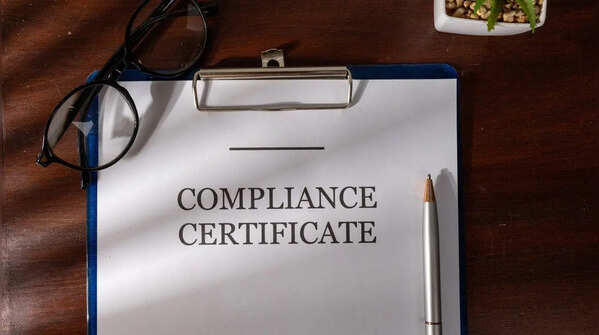
Non-compliance with local regulations
The properties in the local area need to comply with the local regulations and laws. In case of non-compliance, the property might be subject to various penalties. The buyer should always ensure the property is in compliance with local regulations.
Image Credit: Canva

5/7
Ambiguous contract terms
The terms of sale contracts usually contain complex legal jargon, which may include ambiguous or unfair terms for the other party to the sale. It is important to understand the terms of the sale and seek legal opinion to ensure clarity and fairness in all conditions of sale.
Image Credit: Canva

6/7
Lack of RERA registration
One of the most important checks for under-construction properties is whether the project is registered under the Real Estate Regulatory Authority (RERA). Projects that are not RERA-registered may lack transparency and legal accountability. RERA ensures that developers adhere to timelines, disclose project details, and protect buyers’ interests. Always verify the project’s RERA registration number on the official state RERA website before making any commitment.
Image Credit: Canva

7/7
Incomplete due diligence on the seller or developer
Failing to verify the credibility of the seller or developer can expose buyers to fraud or project delays. Issues like past legal disputes, financial instability, or non-delivery of previous projects can signal risk. Conducting background checks and reviewing past performance helps ensure a secure and reliable transaction.
Real estate transactions require substantial financial investments, and therefore, it is imperative that one identifies potential legal risks and works towards mitigating them before the actual transaction. For instance, the title of the property, the contract, and compliance with the law can all be taken care of, which will not only help you protect your investment but also facilitate a smooth transaction.
Image Credit: Canva
Follow Us On Social Media