

Discover how common kitchen spices, particularly cinnamon, can effectively deter ants. The key ingredient, trans-cinnamaldehyde, disrupts their scent trails, making your home inaccessible.
It starts with just one little scout, moving slowly around the kitchen island. Soon, before you know it, a well-organised trail forms, directly leading to the sugar container. Instead of resorting to using some chemical spray that is toxic, people are beginning to find alternative means by simply using the spices they have at home.
For instance, a small amount of ground cinnamon sprinkled on one side, and some cinnamon essential oils sprayed on other areas.The advantages are many: the product is inexpensive, smells great, and poses less of a threat to children and pets. But there is more to this than meets the nose: biological sabotage happening right outside your door. One component in cinnamon affects the senses of ants, ensuring that your kitchen becomes inaccessible to these searching critters.Disrupting the scent pathwayAnts do not perceive the environment in the same way humans do; rather, they detect odours to guide their actions. Once an ant scout identifies food, it releases a scent path for its nestmates to follow. How is it possible that a kitchen ingredient can interfere with this? The explanation can be found in the peer-reviewed articleTerminating red imported fire ants using Cinnamomum osmophloeum leaf essential oil on ResearchGate.The experiment reveals that trans-cinnamaldehyde, the key ingredient of cinnamon, serves as an efficient repellent and deterrent substance for ants, and the strong odour produced by it overpowers the scent left by ants on their path and makes them disoriented, thus making it impossible for them to make their way back home.
A higher concentration of cinnamon works best, but ground cinnamon may be used as well. According to this research, essential oils are much stronger repellents than ground cinnamon. These oils not only disorient ants but also create a physical barrier for them with chemical properties. As the research concludes, however, this method should be considered only a repellent rather than a measure against ants that have settled within one’s home.Consistency is key in such cases. With time, the volatile oils of cinnamon tend to evaporate, and considering that we may have some draught in our kitchens, we would need to change the barrier regularly since what keeps working on one day won’t work on another after the odour fades away.
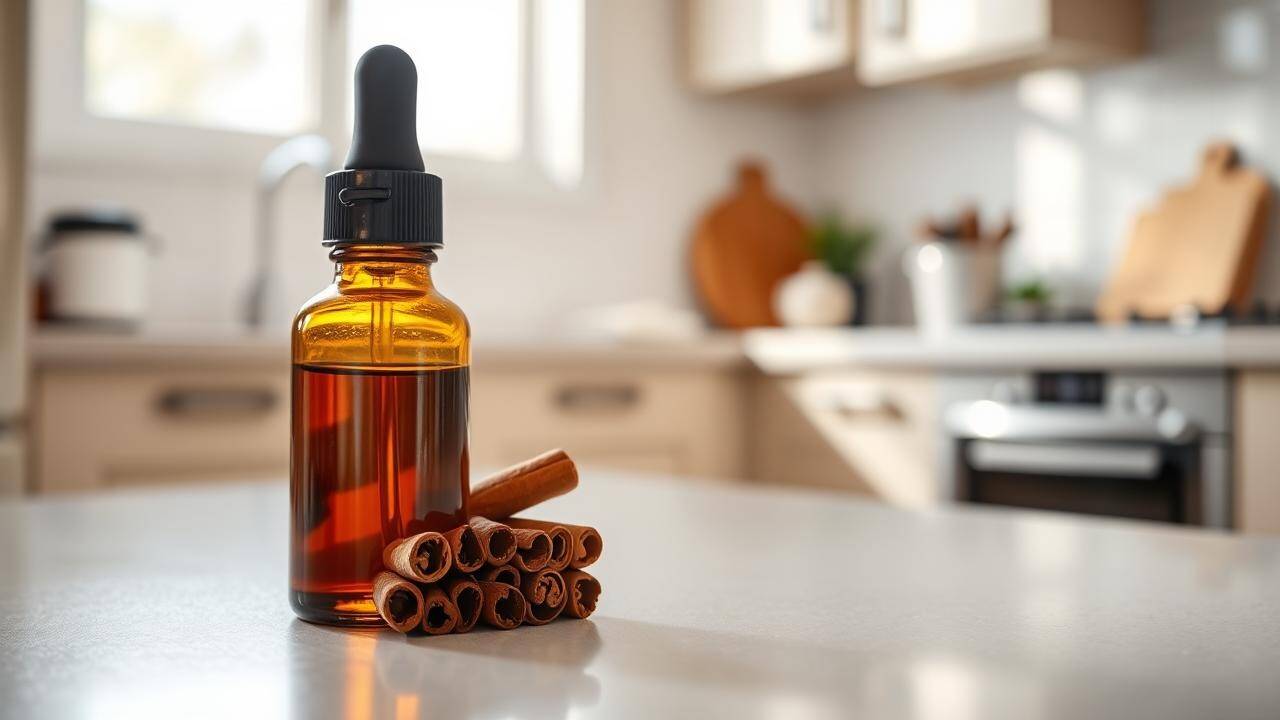
While essential oils offer a stronger barrier, consistency is crucial. Combine this natural repellent with home maintenance for a truly ant-free kitchen, embracing a smart, non-toxic approach.
Application of cinnamon safely and integrated defenceDespite being an organic substance, it is not always safe for all members of a family. When opting to use a more potent variant of cinnamon, i.e., essential-oil type of cinnamon, we need to remember that safety always comes first. According to the article Cinnamon: The Spice That Makes Ants Think Twice by Modern Pest Services, “the pure cinnamon oil is a skin irritant” and “toxic when consumed by pets.”To get the most out of this fragrant defence, experts recommend an integrated approach. Rather than relying solely on a spice, the most successful DIYers combine cinnamon with physical home maintenance. This involves sealing the tiny cracks in baseboards with caulk and ensuring that “attractants,” like a sticky honey spill behind the toaster, are cleaned up immediately.
When you remove the incentive for the ants to enter, the repellent becomes twice as effective.Finally, the trick involving the use of cinnamon demonstrates the essence of living smart and without high technologies. With the moment the scout shows up, there is always room for immediate action that is harmless to your health and non-toxic. Understanding the mechanisms used by ants to communicate with one another will help you make use of an ordinary household item to take your kitchen counter back and ensure that it does not smell of any chemicals but rather that of a fresh autumn morning.