
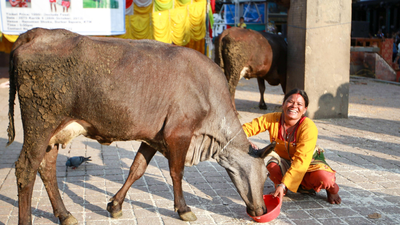
In Hinduism, the cow occupies a place that is both practical and symbolic. It is tied to daily life, rural economy, food, ritual and belief. For many Hindus, that is exactly why the cow is treated with such care.
Feeding and protecting cows is not seen as an empty custom. It is considered a sacred act because it reflects gratitude, non-violence and responsibility.The reverence for cows is not the same everywhere, and not every Hindu community expresses it in the same way. But across a wide range of traditions, the cow is regarded as special. It appears in religious stories, devotional practice and everyday household life, where it is often treated as a living presence rather than just livestock.
Why the cow matters in Hindu life
The cow’s importance in Hinduism begins with its role in nourishment. For centuries, cows have provided milk, curd, butter and ghee, all of which are central to Indian food and ritual practice. Because of this, the cow has come to represent sustenance and abundance. This is one reason the phrase “Gau Mata”, or mother cow, is so widely used. It is a term of respect that places the cow in a position of care and dignity. The idea is simple: the cow gives without asking for much in return.
That kind of giving is deeply valued in Hindu thought.The cow is therefore not seen only as useful. It is seen as worthy of protection. Feeding it becomes a way of acknowledging that relationship.
The cow in scripture and tradition
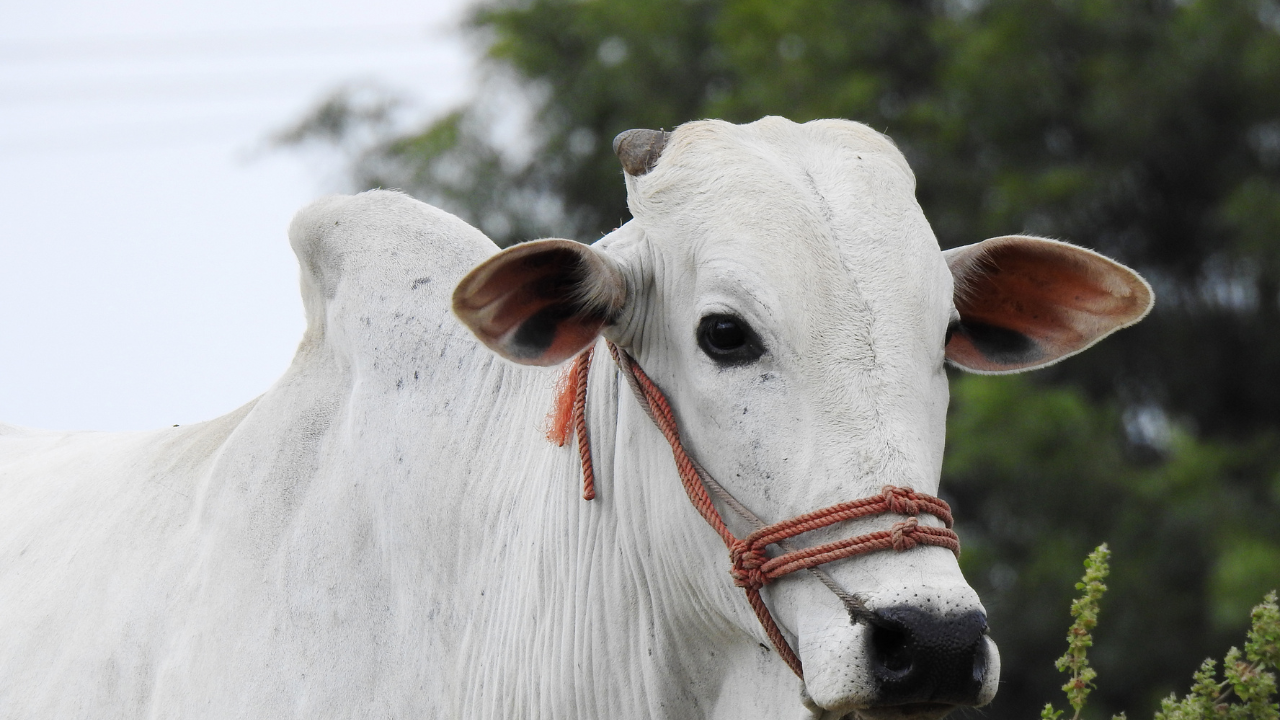
The sacred status of the cow has roots in Hindu scriptures and older cultural traditions. In many texts, the cow is connected with purity, prosperity and auspiciousness. It is often associated with blessings and with a way of life that realizes restraint over excess.Lord Krishna’s association with cows has also shaped this reverence. He is often remembered as a cowherd, surrounded by cattle in the pastoral world of Vrindavan. That image has stayed powerful in Hindu imagination because it brings the divine close to everyday life. It suggests that holiness is not distant or abstract. It can be found in ordinary acts of care. This is one of the reasons cows are still fed during festivals, religious occasions and special observances.
The act is seen as meaningful because it connects devotion with daily behavior.
Feeding cows as a sacred act
Feeding a cow is considered sacred because it combines several ideas that are important in Hinduism. It is an act of generosity. It is also an act of humility, because the person giving food is not doing so for status, but out of respect. And it is connected to non-violence, or ahimsa, which is a central value in Hindu ethics. For many devotees, feeding cows is believed to create good karma.
But the importance of the act is not only about future reward.
It also lies in the present moment. It asks a person to slow down, notice another living being and respond with care. That is what gives the gesture its spiritual meaning. It is not dramatic. It is ordinary. But in Hindu thought, ordinary acts can be sacred when they are done with the right intention.
Caring for cows as part of dharma
The reverence for cows goes beyond feeding. Caring for them, protecting them and making sure they are treated well is also seen as part of dharma, or moral duty.
This matters because Hindu spirituality is often closely tied to conduct. Belief is important, but behaviour matters too.
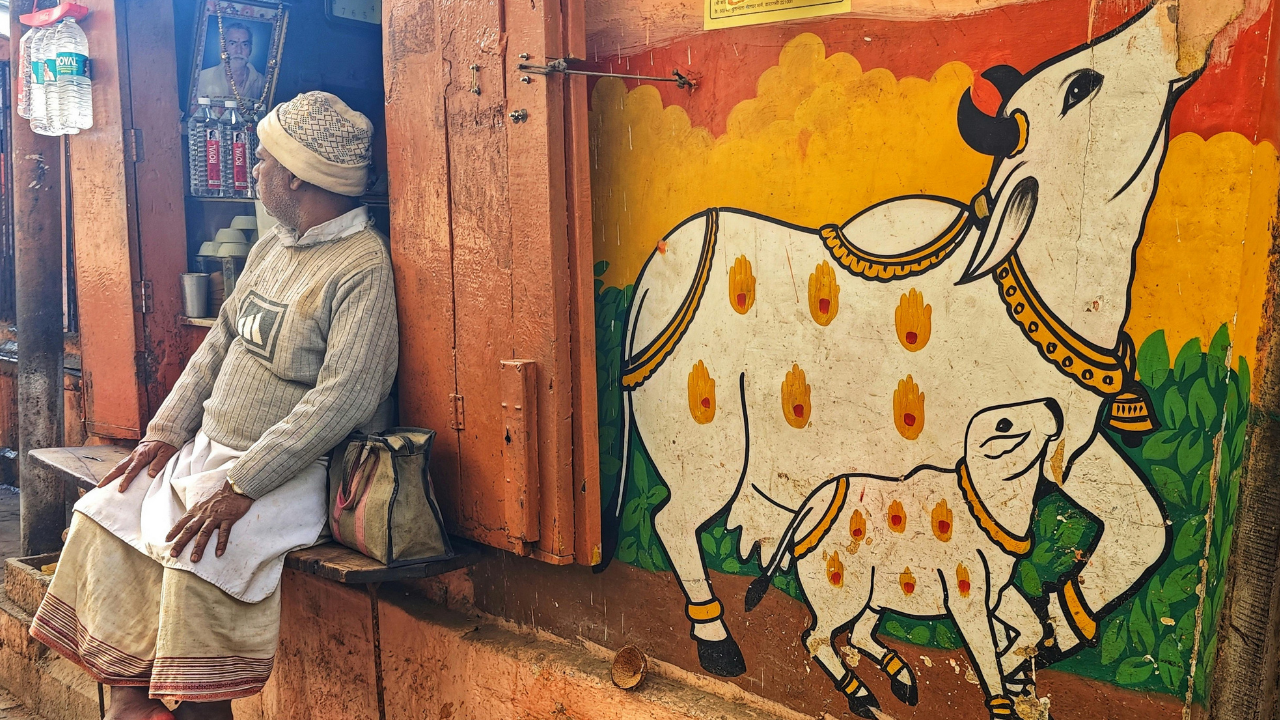
In many parts of India, especially in rural settings, cows remain part of daily household life. They are fed, cleaned and looked after as a matter of routine. These gestures may seem small, but they reflect a larger idea: that human beings realise they have an obligation to care for what supports them.
That is why the cow is often seen as more than a religious symbol. It is also a reminder of responsibility. The sacred here is not separate from the practical.
It is expressed through the way people behave.
A tradition grounded in gratitude
At its core, the sacred place of the cow in Hinduism is about gratitude. The cow nourishes, and that nourishment is remembered and respected. Feeding it becomes a way of returning care to a being that has long been associated with life, support and continuity.
This is part of what gives the tradition its staying power. Even in modern life, where people may live far from farms or no longer keep cattle themselves, many people continue to realise what the cow represents.
It stands for patience, service and giving without greed.
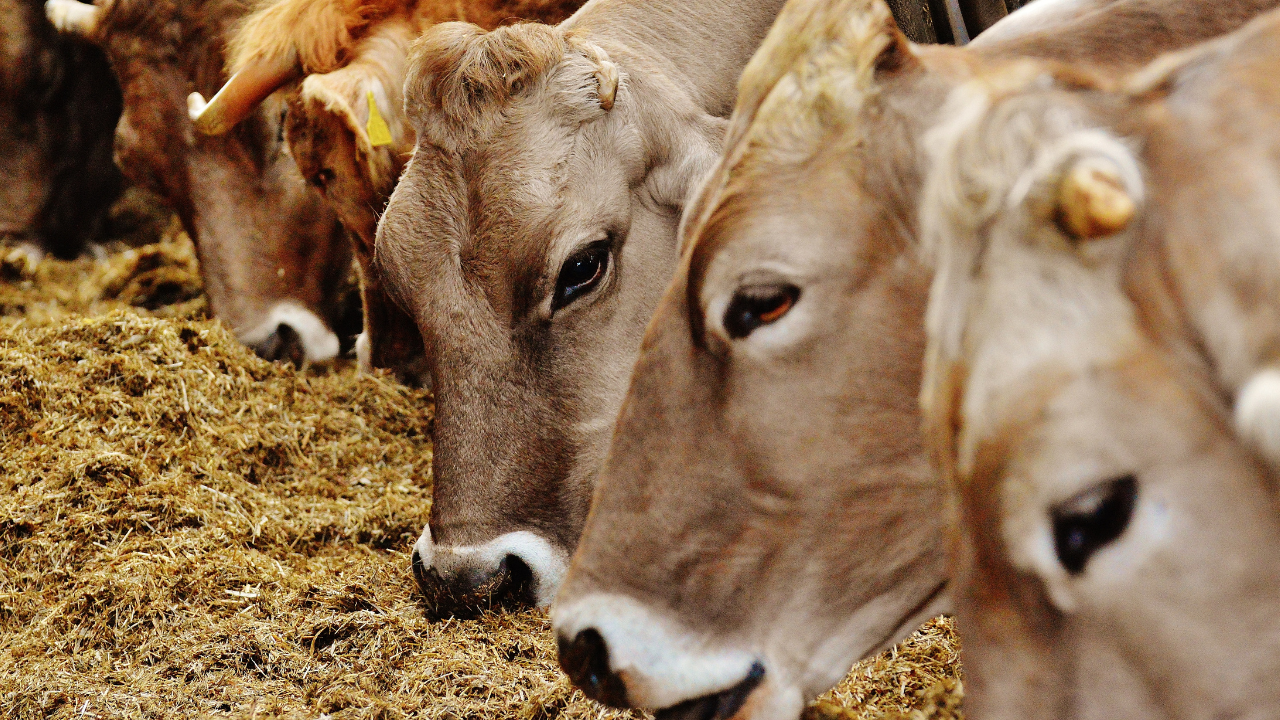
Feeding and caring for cows is considered sacred because it brings together faith and everyday ethics. It is a reminder that reverence is not only shown in temples or through prayer. It is also shown in how people treat living beings that depend on them.In that sense, the cow remains one of the clearest symbols in Hinduism of a simple but enduring idea: what sustains life should be treated with respect.

