
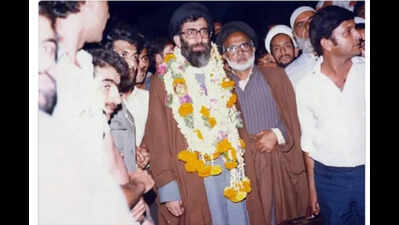
Ayatollah Ali Khamenei during a visit to Bengaluru in 1981
Dr Zahra Hussaini is fascinated by the story of her father, Sayed Hussein Hussaini, who came walking to India from Iran at the age of 12, with a large group after leaving his hometown of Yazd due to a famine.
They travelled about 3,500 km on foot over six months, and to survive on the journey, they took up carpentry and masonry work wherever they could. Many of them later settled in cities such as Mumbai, Pune and Hyderabad, where they established Irani cafés and restaurants.Many Irani cafés are located on corner plots because such spaces were once seen as unlucky by locals, making them cheaper and easier for migrants to rent or buy.
“Iranians used their intelligence and picked up the corner areas which were considered jinxed,” says Dr Hussaini.She believes that ‘Irani chai’ grew out of the shared evening gatherings of her father and his friends and relatives. She attributes its distinctiveness to the brewing method and the use of pure milk and good tea powder. “They use a special kettle. The uniqueness of ‘Irani chai’ also stems from a prolonged brewing process.
With Parsi diary milk and quality tea powder, it becomes the perfect brew,” she says. While originally spice-free, modern versions incorporate saffron and cardamom for added flavour.Dr Hussaini, who was born and raised in Mumbai, runs a dental clinic in RT Nagar in Bengaluru, and has developed a kit for early detection of oral cancer, which is highly prevalent in rural India. Iranians settled in Bengaluru over a century ago and contributed to its development, turning it into a garden city and building landmark properties like Lalbagh.
“They acquired substantial properties, established charitable endowments, and played a role in shaping the city’s landscape,” says Mirza Mohmmad Mehdi, a 79-year-old Bengaluru resident of Iranian descent, who worked as a consultant with Prestige.
The Iranian community in Bengaluru has grown from about 2,000 people in earlier decades to roughly 30,000–40,000 today, with around 10,000 being Iranian descendants, continuing to impact Bengaluru’s social and architectural fabric. Members of the Iranian community served as prime ministers and governors for royal families like the Wodeyars. Richmond Town resident Rebab Al-Karimi’s great-great-grandfather, Agha Aly Asker, set off to India in 1824 with his two brothers bringing 300 Arab horses to sell to the British. “He found a father figure in Sir Mark Cubbon, who served as commissioner of Mysuru, and also shared a love of horses. He was also very friendly with the then Maharaja of Mysuru Mummadi Krishnaraja Wodeyar who appreciated good horseflesh,” says Al-Karimi.
Asker’s grandson Sir Mirza Ismail was the prime minister of Mysuru state during the reign of Krishnaraja Wodeyar IV. Akbar Mirza Khalelli, a resident of Sankey Road, was an ambassador to Iran and Italy and high commissioner to Australia while Dr Mirza Sajjad Hussain, a paediatrician, supported Iranian patients in the Iran-Iraq war before settling in Bengaluru. Iranian students studying in Bangalore University and city colleges gave the city a cosmopolitan look. Mounting Concerns Dr Hussaini lost her dad at a young age, but her ties with Iran remain intact. She has had sleepless nights after the US-Israel attack on Iran. “Many of my close relatives, including my sister and her family, still live in Tehran and Karaj,” says Dr Hussaini, who held an Iranian passport until ninth grade and later became a naturalised Indian citizen. She frantically kept calling them when the war began and, to her dismay, realised that they were not reachable.
“Internet was blocked for security reasons,” she recalls. Iran was ruthlessly attacked and bombarded, that too during Ramadan, says Dr Hussaini. “They intentionally chose to attack us when we were physically weak, when we were fasting and praying,” she adds. Like Dr Hussaini, Mohsin Ali Shirazi, a fifth-generation Iranian with roots in Shiraz (southern Iran), also constantly checks on his relatives in Iran. “A few weeks ago, there was a bomb blast near our new home in Iran, built by my wife, a civil engineer,” says Shirazi, who runs Active Arena, a sports centre at Marathahalli in Bengaluru. Shirazi moved to India in 1994 and completed his undergrad degree in business management at Christ College, Bengaluru. He speaks Hindi and English fluently. No Permission To Protest The Iranian diaspora is not allowed to hold protests against the US-Israeli war on Iran, complains Shirazi. “We are not even allowed to put up banners displaying images of revered religious scholars at private functions held at residences and prayer halls,” he says. Citing a recent incident, he says: “Hours after the confirmation of the assassination of Ayatollah Ali Khamenei on Feb 28, around 2,500 members of our community gathered at Masjid-e-Askari, a mosque in Richmond Town, to mourn his death. Police initially refused permission, later permitted it after negotiations, but filed an FIR a few days later against 17 people, including an MLA.” Reminiscing Ayatollah Ali Khamenei
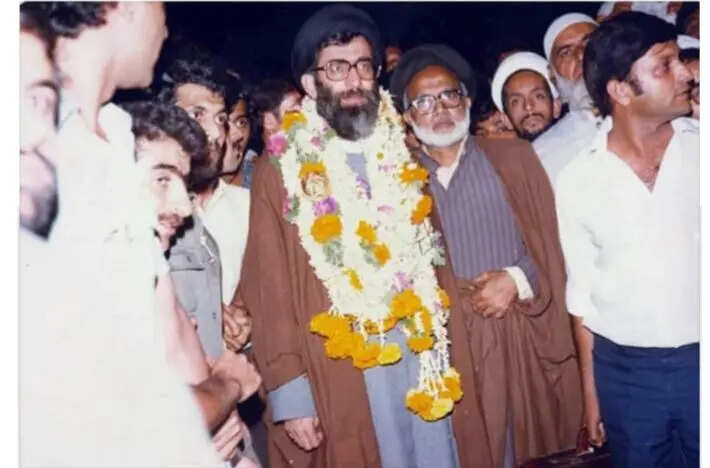
Ayatolla Ali Khamenei (middle) during a visit to Bengaluru in 1981
A prominent Iranian businessman based in Sadashivanagar, who did not want to be named, recalls hosting Ayatollah Ali Khamenei during a 1981 visit to India.
He picked him up from the airport and hosted him at his home in Sadashivanagar for three days. “People would suggest naming my home after Khamenei after the visit,” he says. Sharing anecdotes about Khamenei’s humility and piety, he says Khamenei asked for only one dish to be prepared to avoid inconvenience, requested to be woken at a specific time for a meeting, and slept simply on a carpet using his turban as a pillow and cloak as a blanket. The Khamenei assassination has left Shirazi devastated. “It’s hard to cope with the loss. Even if I lose my children, I won’t be as heartbroken,” he says.Gallery
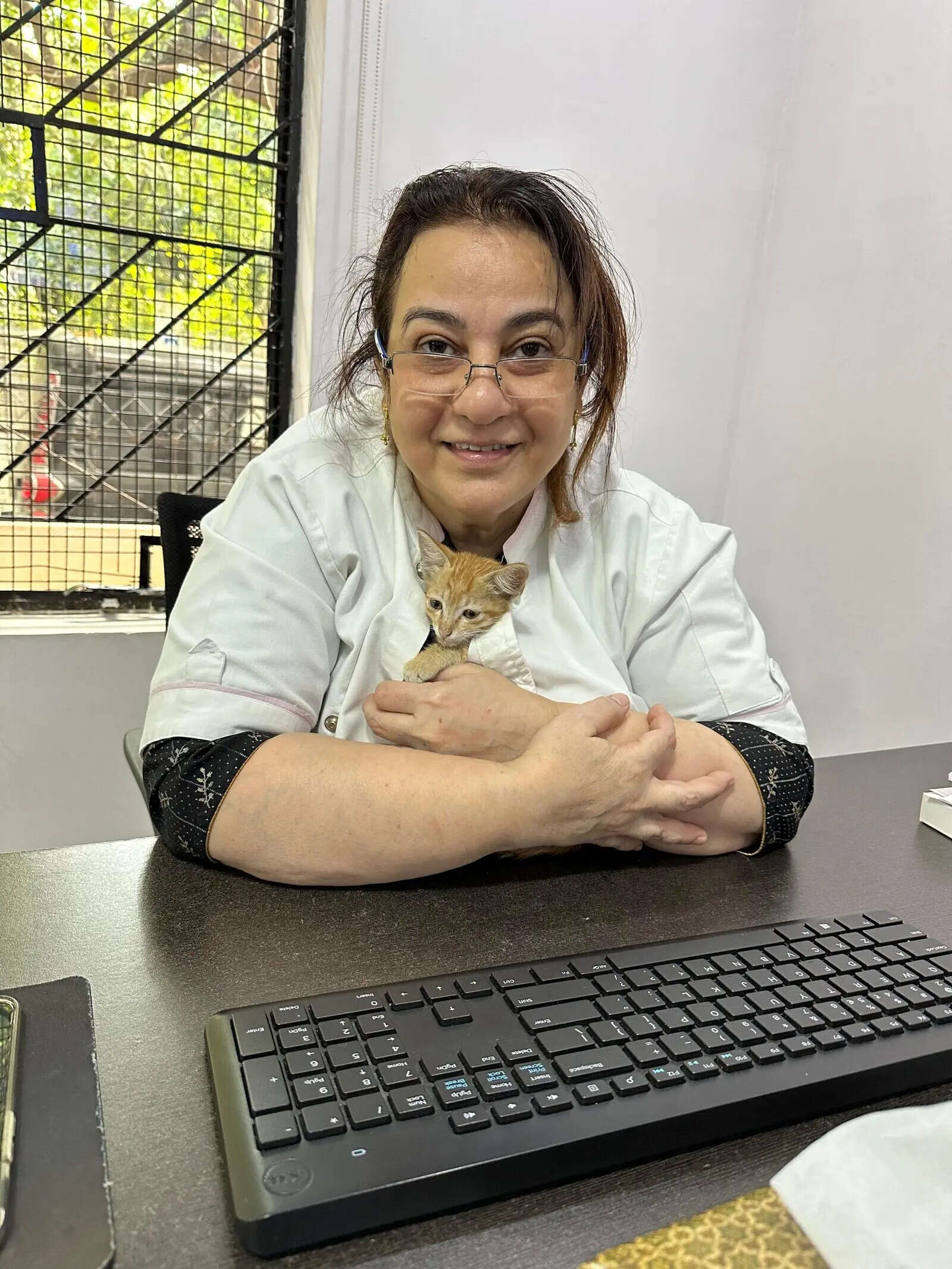
Dr Zahra Hussaini, who has two patents to her credit, runs a dental clinic in RT Nagar, and has a high-profile clientele, including cricketers.
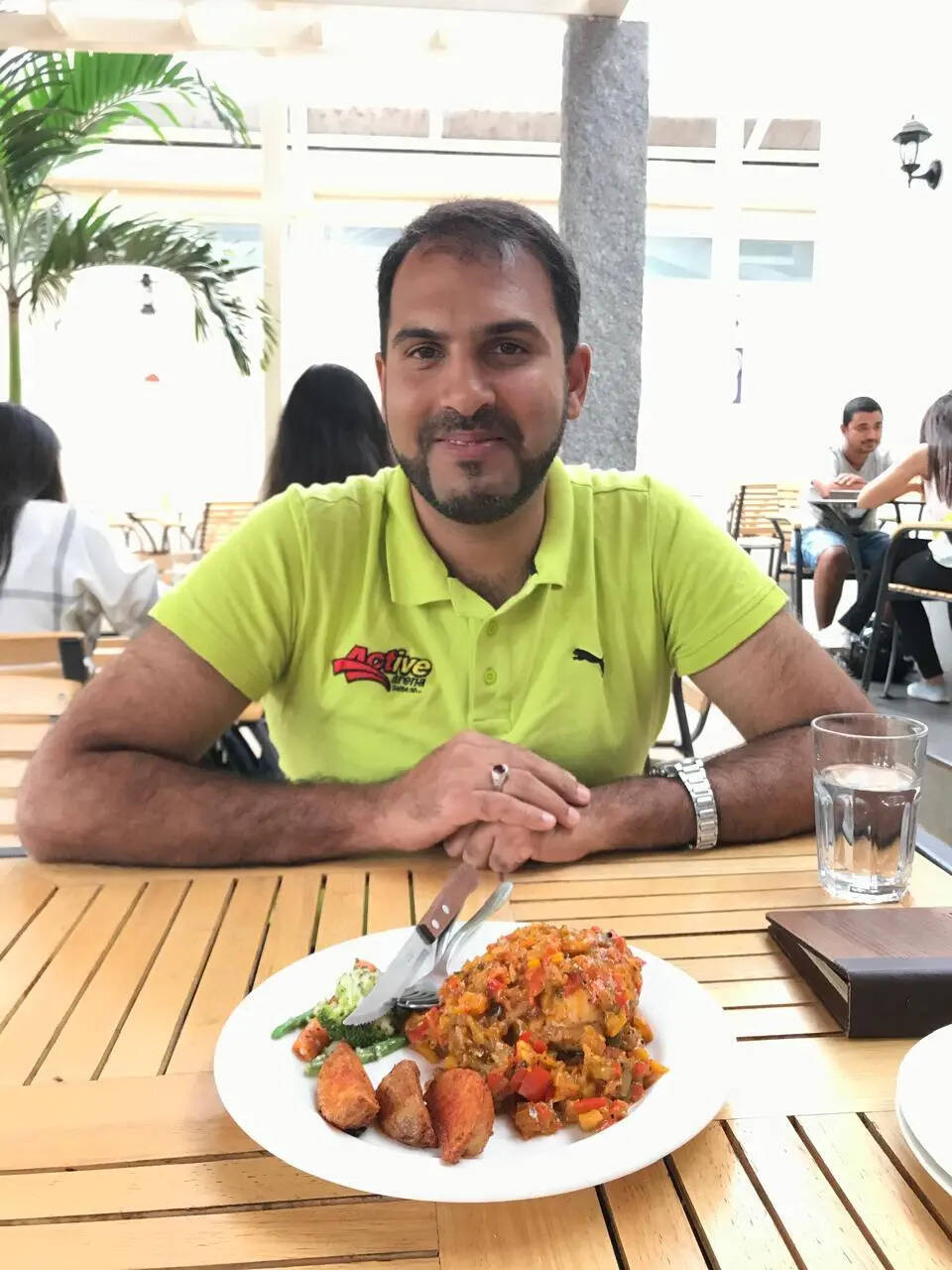
Mohsin Ali Shirazi, a fifth-generation Iranian, identifies as Indian with Iranian ethnicity. About 200 years ago, his great-great-grandfather and his friends and relatives came by ship to India via Mangaluru as horse traders, supplying a Shiraz breed valued by the British.
They sold their horses in Kunigal and then moved to different parts of India, says Shirazi.
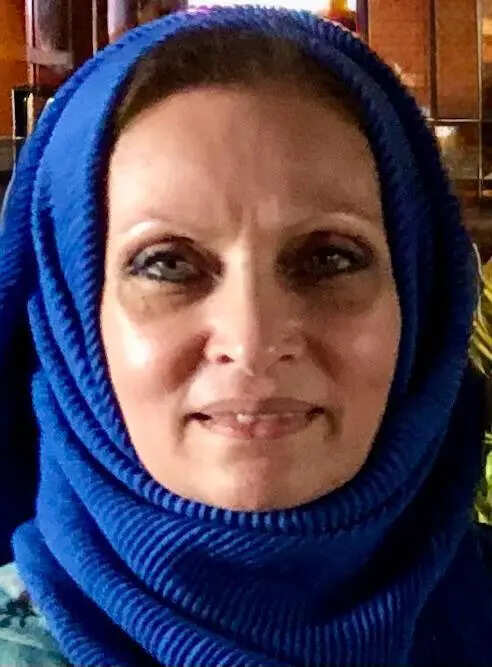
Rebab- Al-Karimi‘s family is originally from Shiraz in southern Iran. Her great-great-grandfather Agha Aly Asker Shirazi came to Bengaluru in 1824 with his two brothers, bringing 300 Arab horses to sell to the British. Al-Karimi’s mother, who is now in her 90s, wrote a book titled ‘Agha Aly Asker.’

