
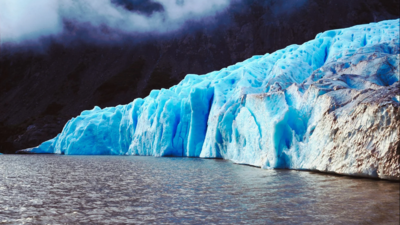
Perito Moreno Glacier in Argentina
Amid the chilling silence of some of the coldest places on Earth, nature makes itself heard. A colossal iceberg breaks into pieces with incredible force before crashing into the waters below with a loud splash.
It is called ice calving, and although it may seem like a fascinating process, it tells a more complex tale.@fran_silva11 shared a video showcasing ice calving in Argentina that is actually really scary and awe-inspiring at once. Awesome because it is definitely an incredible natural occurrence one does not get to witness that often, especially if it takes place in such an awesome spot. Scary because this natural process occurs due to the effects of global warming, and it has much worse implications than just the breaking away of chunks of ice.
Find out more.
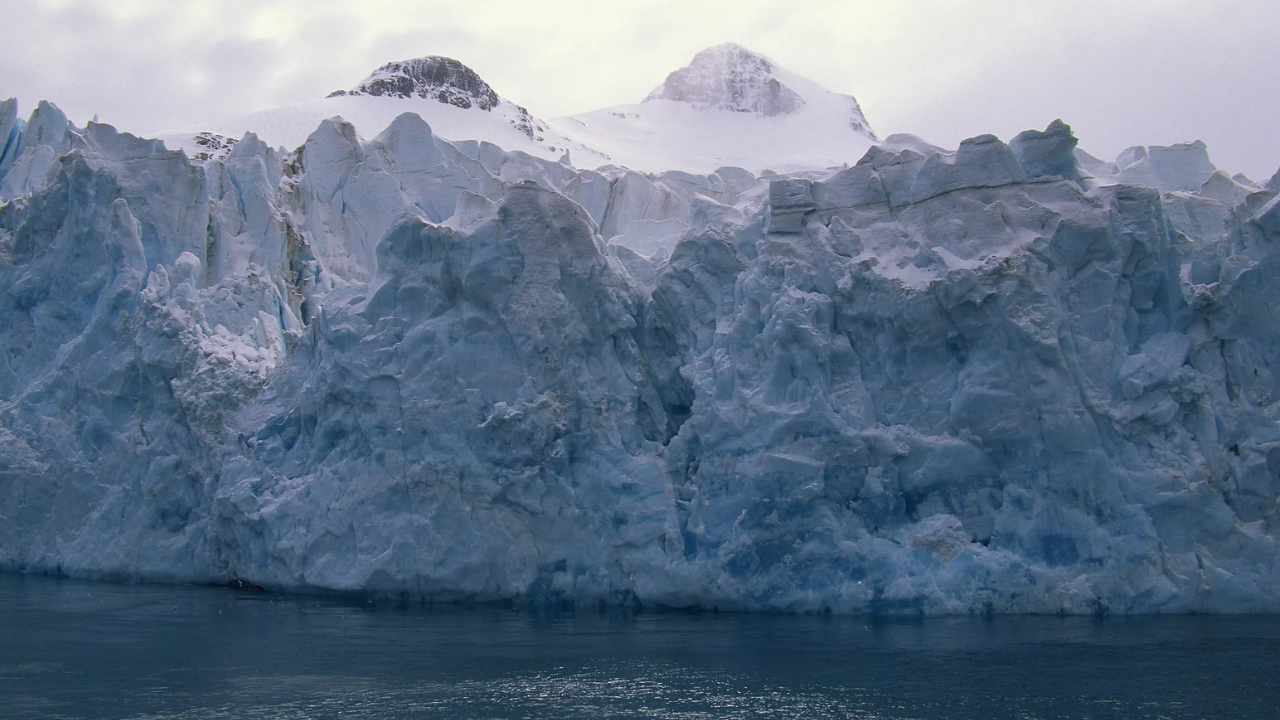
Massive glacier in Argentina
What is ice calving?
The phenomenon of ice calving takes place when sizable ice blocks break free and fall into the sea or a lake. They can be very small or as huge as an entire building. This is considered a natural occurrence throughout the life of glaciers.One of the most famous sites for ice calving is the Perito Moreno Glacier in Argentina where ice falls from the glacier at regular intervals and in dramatic style. It is common practice for people to hear loud cracks in the area before they see huge ice chunks fall into the blue-green water.
What causes ice calving?
Even though ice calving is a natural occurrence, it is affected by many conditions such as:
- Warm temperatures: This results in surface melting that weakens the stability of the glacier.
- Warm water: This erodes the glacier from beneath and causes it to become unstable.
- Pressure buildup: Glaciers move all the time due to which there is always pressure build-up in the ice.
Climate change in recent times has been another catalyst for such triggering factors. With rising temperatures globally, glaciers are melting at a rapid pace, thus causing more instances of ice calving.
Why is it both beautiful and terrifying
The spectacle of the occurrence of ice calving is undeniable, being both magnificent and terrifying at once. However, beyond its beauty is the warning it carries. Ice calving is the principal mechanism of glacier mass loss. The faster it occurs, the greater the loss of mass from glaciers. This means several alarming developments:
- Increasing sea levels: With the loss of glacial ice, additional water flows into the oceans.
- Disturbance of ecosystems: Cold freshwater may cause disturbances in aquatic ecosystems.
- Freshwater supply depletion: Glaciers act as natural reservoirs of fresh water for millions of people.
A visible sign of climate change
Unlike statistics on climate change, ice calving is a phenomenon one can visualize and even hear.
It makes climate change less abstract and more concrete. Each falling ice block serves as a physical indication that the equilibrium of the planet is changing, sometimes at an alarming pace.The phenomenon of ice calving is of keen interest to scientists since it allows for conclusions to be made about the state of glaciers. The accelerated melting of ice in Antarctica and Greenland is associated with frequent cases of ice calving.
Why we need to talk about it
Calving of the ice is not only an event which occurs in distant areas of the planet but one of the elements of the global system whose effects include weather changes, rising water levels, and destruction of ecosystems on our planet. Discussion of it brings us closer to linking science and public understanding.It also becomes a great means for story telling. One short movie about glaciers gives a better picture of the situation than dozens of statistical figures could ever give us. It gives us time to think and understand what is changing and why.Next time you watch a calving of a glacier, try thinking not only about the beauty of the process, but about what the loud bang of falling ice means.