
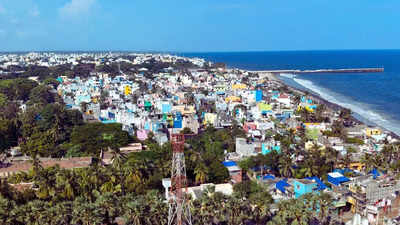
The evolution of the real estate sector in India is shifting from a single demand driver (cities) to an emerging geography driven by infrastructure and lifestyle aspirations. The industry’s focus is shifting from just housing to integrated ecosystems centred on wellness, tourism, and experiences.
The shift is signalling a major transformation in the coastal economy along the western seaboard of India. The Konkan region, long seen as a seasonal tourism strip, is undergoing a structural transformation driven by connectivity. The near completion of the Mumbai–Goa Highway (over 90% complete) will ease road access along the coast. This is complemented by the launch of Ro-Ro ferry services from Mumbai to Ratnagiri and Sindhudurg, reducing travel time to a few hours.
The operational Chipi Airport and the Konkan Expressway (coming soon) provide additional multimodal connectivity that effectively integrates the region into Mumbai’s orbit. It is not just better access that is being created; it is an unlocking of entire new real estate corridors. Dr Niranjan Hiranandani, Chairman, NAREDCO shares exclusive insights.Rise of the coastal economyDistances shrink with connectivity. Real estate follows.
Coastal micro-markets transition from vacation homes to year-round residential and investment opportunities. Alibaug is the natural sweet-spot extension of Mumbai’s high-end housing market. The accessibility and connectivity features have made it the preferred choice among HNI and NRI buyers seeking low-density lifestyle opportunities. What makes this demand unique is its aspirational yet practical quality.
Buyers are trying to invest in experiences just as much as in homes.
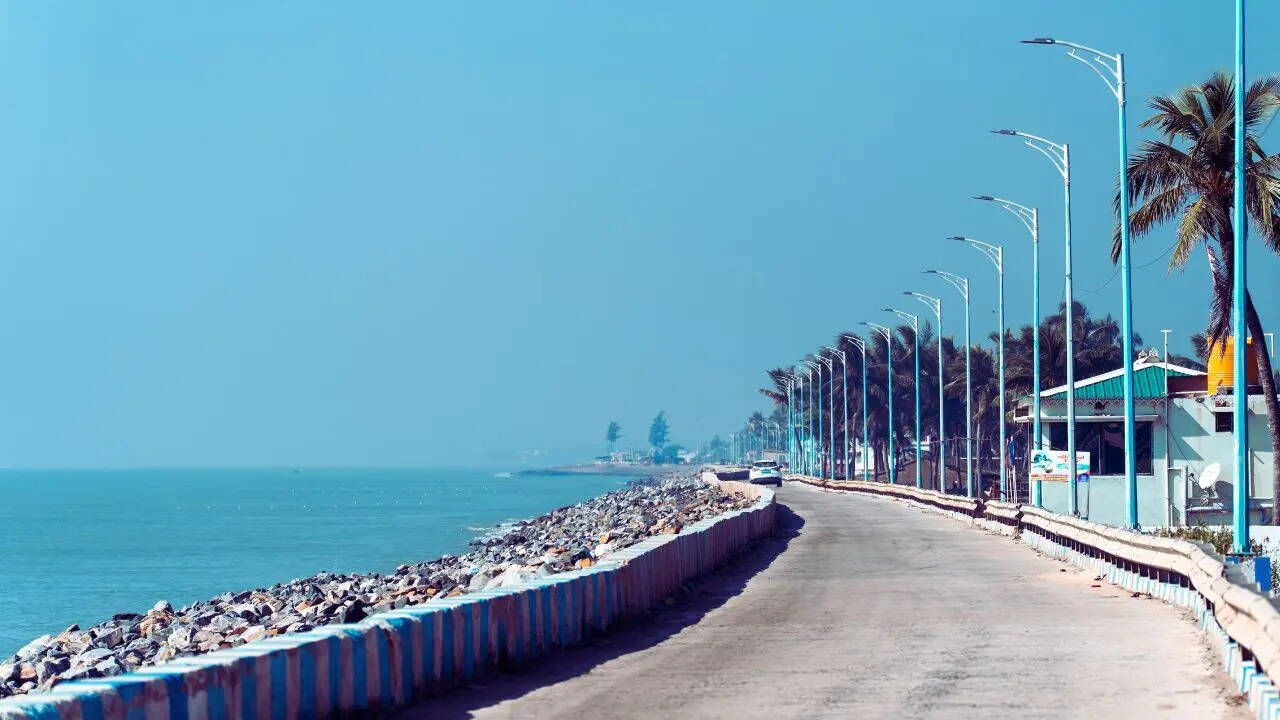
Lifestyle & wellness shiftIn the post-pandemic world, there has been a change in buyer behaviour. Space, wellness, and quality of life have become paramount. This has led to the emergence of hospitality-led residential concepts, villa developments and experiential townships, where homes are perceived not as standalone assets but as part of an integrated lifestyle that synergises leisure, wellness and community.
The rise of wellness tourism and preventive healthcare is becoming a new demand engine and India’s global leadership in Ayurveda, Yoga and wholesome wellness is starting to be reflected in real estate formats that embed wellness infrastructure into residential and hospitality ecosystems.Medical tourism – a growth multiplierThe growth momentum of India’s medical tourism industry has been driven by cost advantages, high-quality healthcare infrastructure, and the inflow of foreign patients.
This has translated into a demand for integrated developments that offer a blend of healthcare, hospitality and residences. Such ecosystems will not only increase the value proposition for investors but also drive year-round economic activity in emerging regions.
In locations like coasts and satellite destinations, such a confluence of healthcare and real estate can fuel local development and help create long-lasting assets. Beyond housingThe change is also being propelled by the rise of wellness and medical tourism. India’s strengths in Ayurveda, preventive, and holistic healthcare are being translated into real estate developments, with wellness infrastructure integrated into residential and hospitality developments. It is a change of the very definition of real estate from building homes to building ecosystems. It is a diversified, policy-supported play for investors.
It is a play on jobs, tourism and infrastructure utilisation for the regional economy.The next real estate cycle in India will be shaped by the confluence of infrastructure, lifestyle and capital. A perfect example of this confluence is found along the Konkan coast. With better connectivity, places like Alibaug have the potential to evolve from weekendish havens to investment and residential hotspots. In a nutshell, the next wave of real estate in India will not be confined to the metros. It will be about emerging destinations that are accessible and have good infrastructure, driven by real estate that creates a value proposition.

