
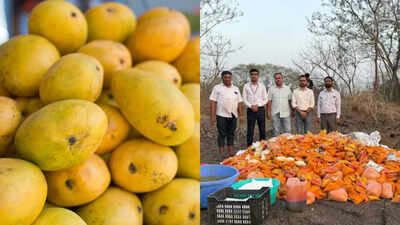
The mango season brings concerns of adulteration, with the FDA seizing over 3,800 kg of chemically ripened mango pulp in Pune. Authorities urge consumers to be vigilant and report suspected cases, highlighting the health risks associated with chemical ripening and providing methods to identify fake mangoes at home.
The mango season is here and so are the cases of mango adulteration. This seasonal fruit is known for its aroma, taste, and varieties. To meet the demand and supply chain, many market players often indulge in unfair trade practices which include adulteration with harmful chemicals and banned food colours.
As per reports, the Pune unit of the Food and Drug Administration (FDA) has seized more than 3,800 kg of adulterated mango pulp during raids conducted in parts of Pune district.According to the FDA report, a manufacturing unit located in Urse village of Maval taluka was raided. Inspecting officers found that mango pulp was being manufactured using unauthorised food colours and other substances not permitted under food safety regulations.
They seized and destroyed 3282.9 kg of mango pulp. The facility was immediately flagged for serious violations. Samples of mango pulp, raw mangoes and additives have been sent to the laboratory for testing.
The additives used included sugar, cow’s milk, and a liquid saffron-coloured solution.
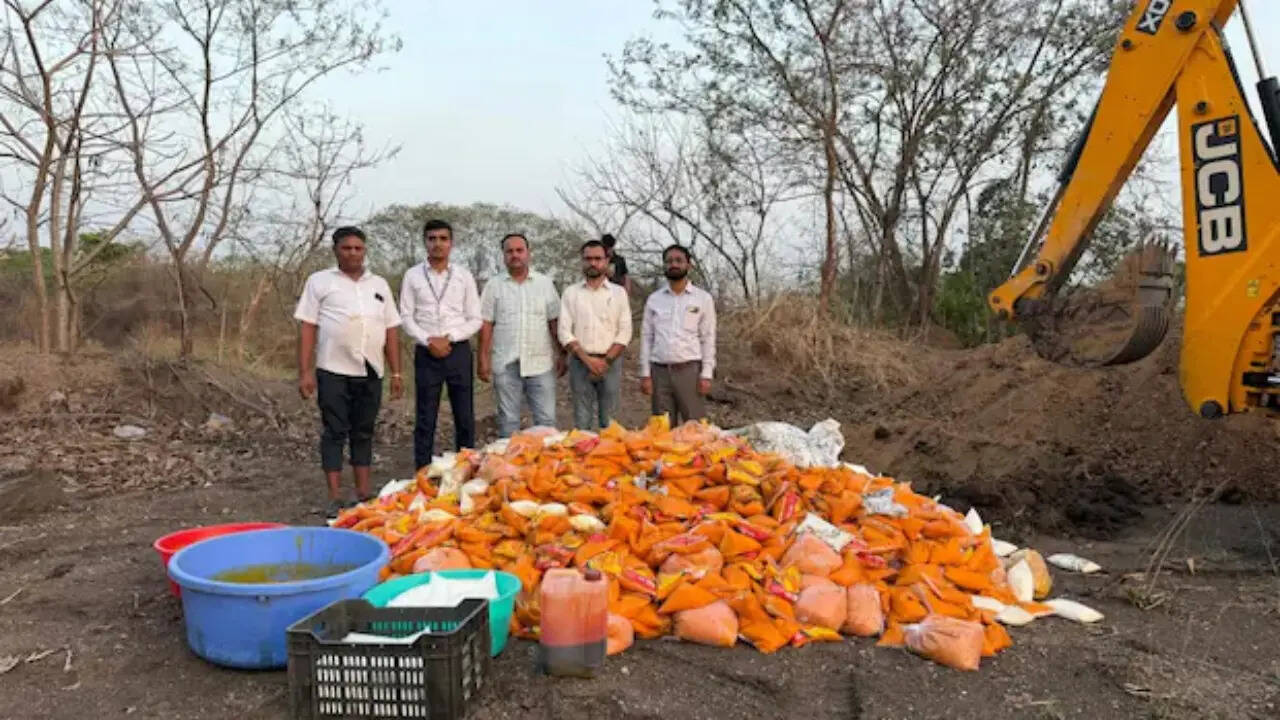
In another investigation, FDA officials conducted a raid and seized 558 kg of mango pulp valued at Rs 61,380 in Khed taluka.
Together both the cases made it to a total of 3800 kg of mango pulp worth Rs 2,23, 196.
What did the FDA say?
According to FDA officials, those operating food businesses without a valid licence are subject to a punishable offence under the Food Safety and Standards Act, 2006, carrying a penalty of up to Rs 10 lakh. For the consumers, the administration has also urged citizens to remain alert and report suspected cases of food adulteration. Complaints can be made through the FDA’s toll-free helpline at 1800222365.
Side effects of eating chemical-ripened mango
Chemical-ripened mangoes, especially those ripened artificially using chemicals like calcium carbide, can pose serious health risks. It can cause nausea, vomiting, abdominal pain, and diarrhea. It is also said to cause neurological disorders like headache, dizziness, confusion, and even mood swings. For those with respiratory issues, asthma, or allergies, it can irritate the respiratory tract. Contact with adulterated mangoes may lead to rashes, itching, or allergic flare-ups in sensitive individuals.
Also, long-term exposure to certain ripening agents like arsenic and phosphorus (impurities in calcium carbide) may increase the risk of serious conditions, including cancer. It is also found that chemical residues in artificially ripened mangoes can interfere with endocrine functions, leading to hormonal imbalances over time.
How to identify fake mango at home
Check the skin color: This is one of the primary ways to check for mango adulteration.
Artificially ripened mangoes tend to have a uniform color and may appear more yellow or orange than naturally ripened mangoes. Smell the mango: Another way to check the purity is to smell it. Unadulterated mangoes have a sweet, fruity smell, while artificially ripened mangoes may have a chemical or different odour.Check the firmness: One should also check the firmness of mangoes. Artificially ripened mangoes may feel softer or mushier than naturally ripened mangoes.
According to experts, the use of chemicals breaks down the cell walls in the fruit, making them softer.Look for external damage: Avoid mangoes that have external damage, such as bruises or spots, due to the injection of chemicals. Conduct a taste test: Artificially ripened mangoes may have a bland or strange taste. So, always taste a small slice of mango before buying from a lot. Soaking method: Always soak the mango in a bucket of water. If the mangoes sink, they are naturally ripened.
If they float, they are harvested artificially.Use baking soda: Add some baking soda to the water, and then soak the mangoes in the mixture for 15-20 minutes. After soaking, if the color of the mango changes when you wash it, there is a chance it is chemically treated or polished.Match stick test: According to the Alphonso Mango website, one can use this test as well. Light a match stick and bring it near the box of mangoes. If it is chemically treated, it may catch fire or leave sparkle traces on the food’s surface. This method is very risky; therefore, one should avoid trying it at home without taking any preventive measures or in the absence of adults and guardians.