
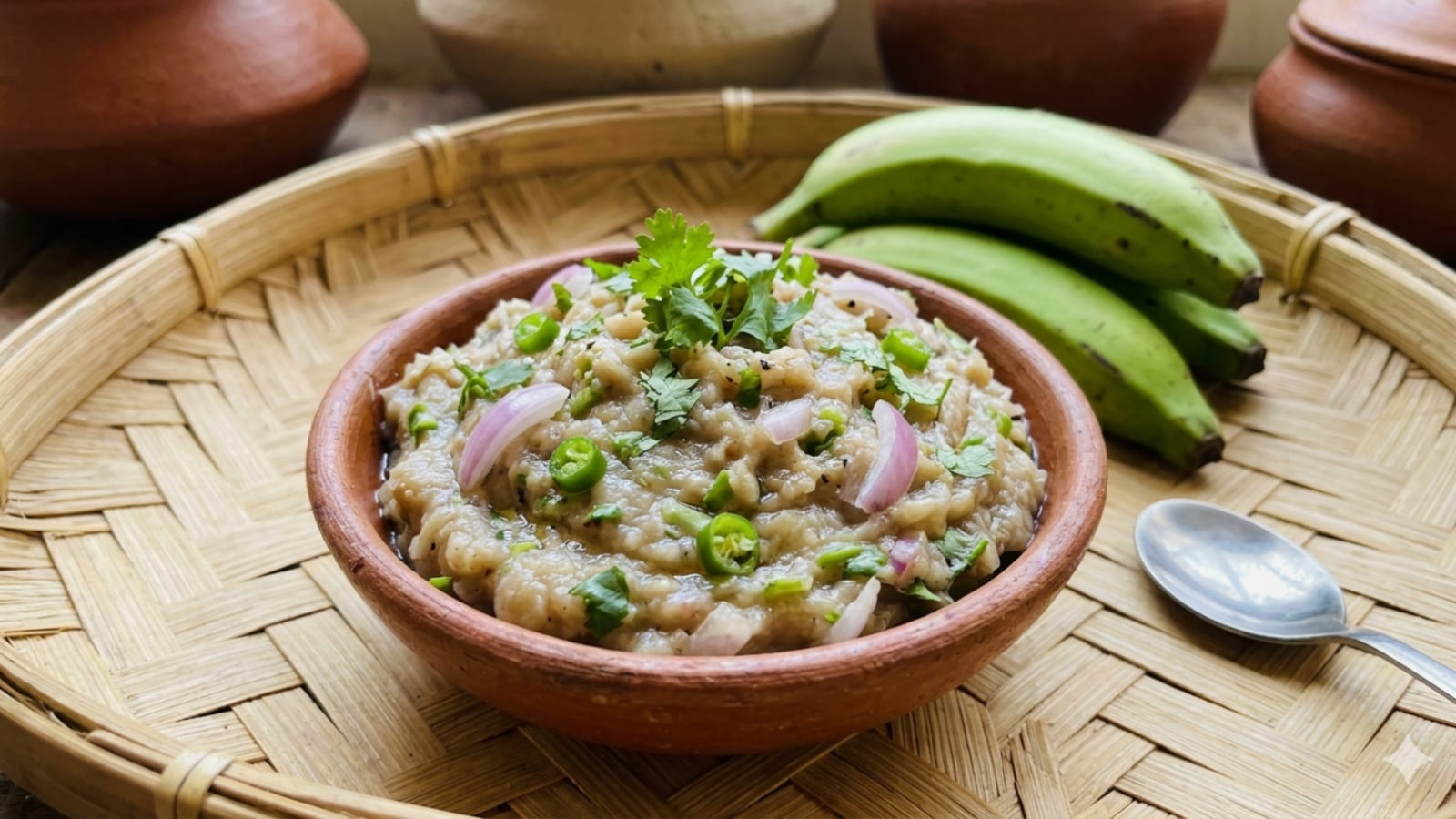
 Indian summer recipes focus on light, cooling mealsthat help hydration, digestion and comfort during peak heat (Image: Gemini)
When the heat rises, Indian kitchens naturally shift towards lighter, cooling meals. Instead of heavy spices, traditional recipes rely on ingredients like raw mango, curd, and greens that help the body stay hydrated and balanced.
Chef Ranjan Majumdar, executive chef of Mayfair Spring Valley Resort, Guwahati, said, “Summer in the Indian subcontinent calls for a culinary change that complements the internal cooling process of the human body.”
He adds that the focus moves “away from heat-inducing spices like cloves or dried ginger, to natural sours, and alkaline bases that hydrate the system and maintain digestive health during peak humidity”.
Here are five traditional, non-drink recipes, suggested by Majumdar, that do just that. The recipes, as per the chef, highlight the use of traditional techniques, which include “light poaching, raw mashing, and the use of indigenous cooling agents” to counter the rising temperatures.
DISCLAIMER: This article is based on information from the public domain and/or the experts we spoke to.
1. Masor Tenga
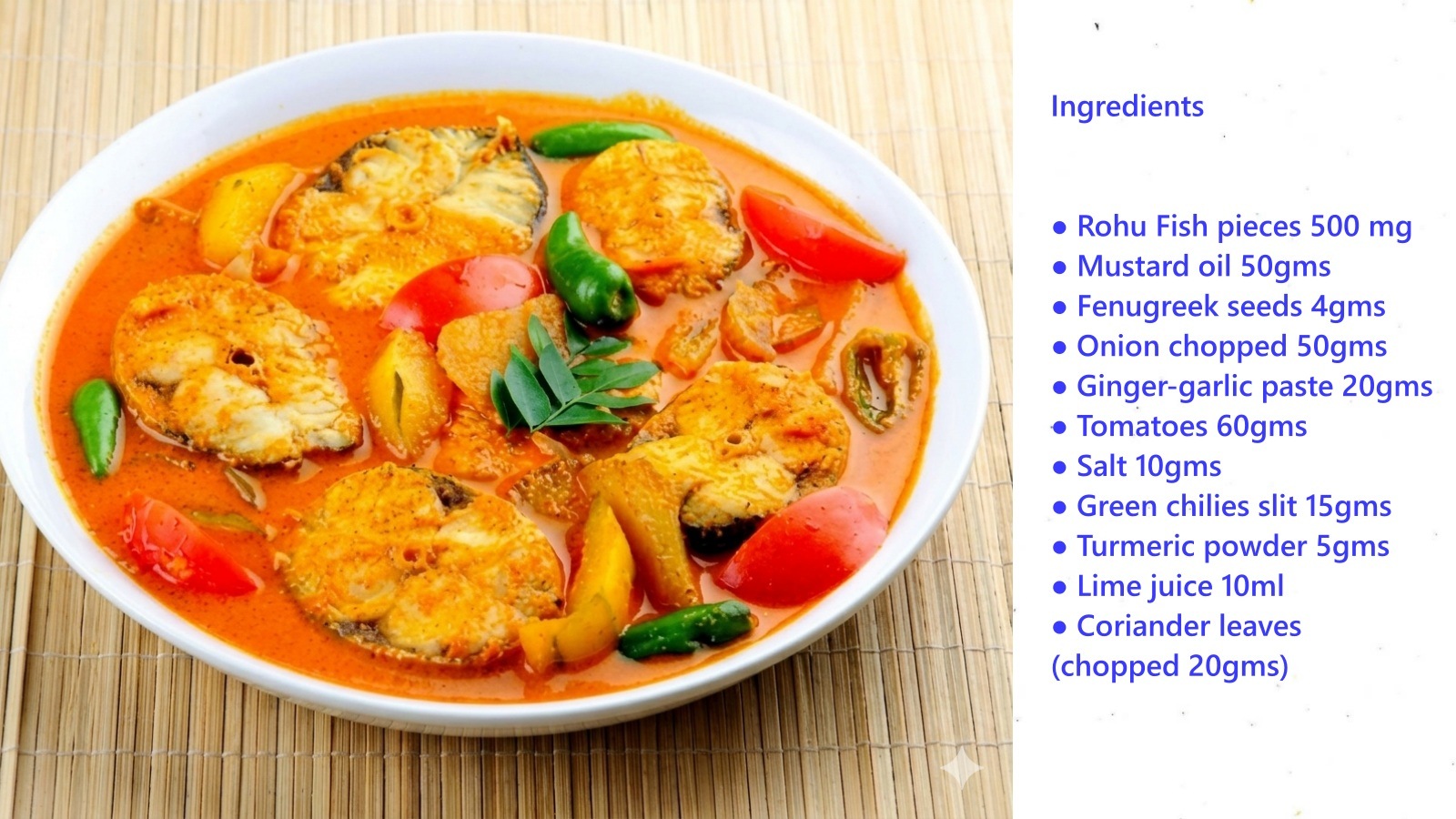 This Assamese delicacy is served with hot steamed rice (Image and recipe: Chef Ranjan Majumdar)
A light and tangy fish curry from Assam, Masor Tenga is known for its refreshing sourness, often derived from tomatoes or lime. Unlike rich gravies, this dish is thin, mildly spiced, and easy to digest—perfect for hot days.
- Marinate the fish pieces with a pinch of salt & turmeric powder for 10 minutes.
- Heat oil in a pan and fry the fish till golden in colour. Drain and keep it aside.
- Temper the same oil with fenugreek seeds, and then sauté for a few seconds, add the onion. Stir fry till light brown.
- Add the ginger-garlic paste, turmeric powder, and green chillies. Sauté for a minute.
- Then add the tomato puree and salt. Cover and simmer for a minute more.
- Add 1 cup of water and bring it to a boil. Add the fried fish and simmer, covered, over medium heat for 3-4 minutes.
- When done, add the coriander leaves and lime juice. Switch off the flame and transfer to a serving dish.
2. Kaas Kolor Pitika
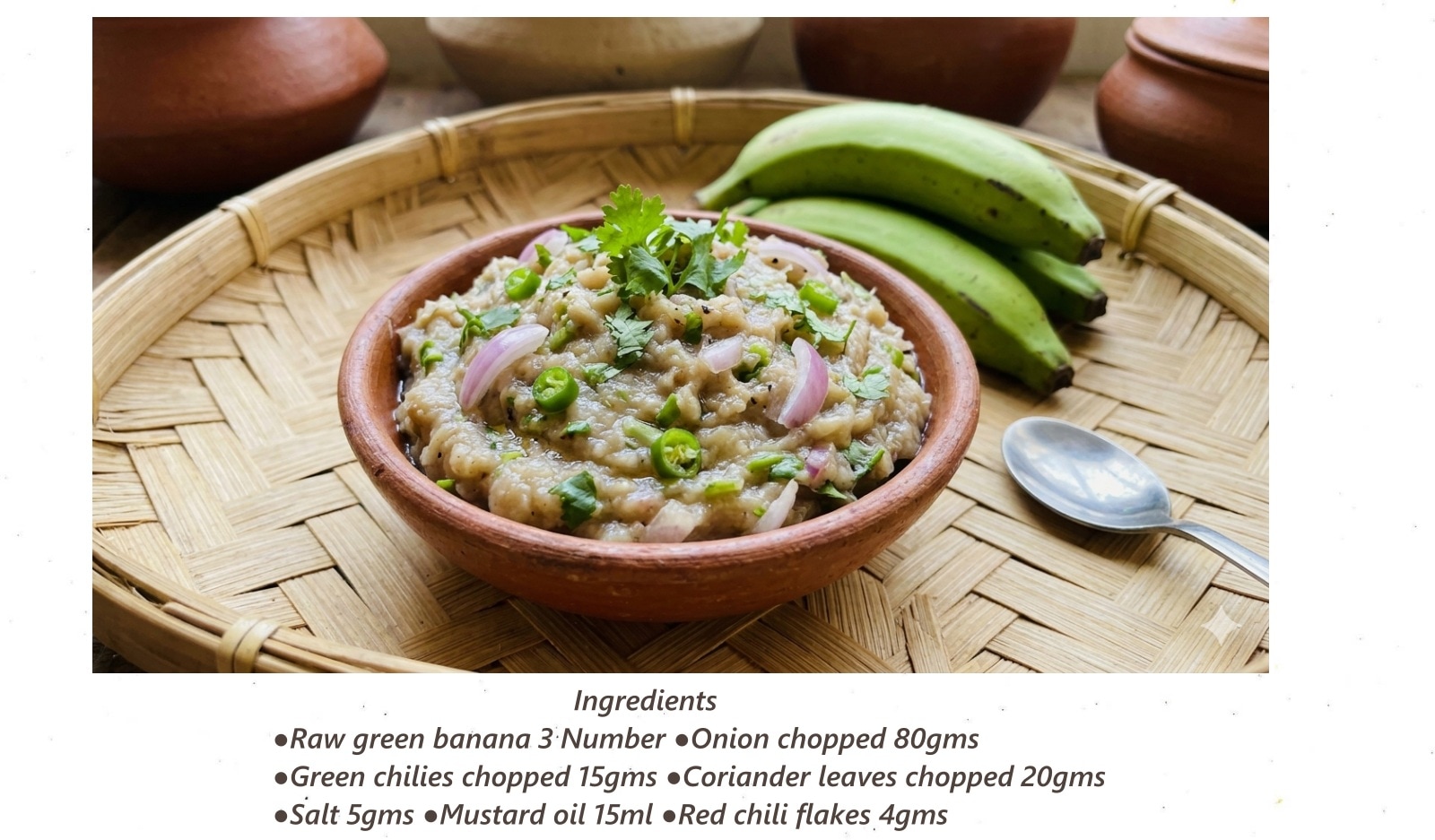 Kaas Kolor Pitika is served with steamed rice or chapatti (Image and recipe: Chef Ranjan Majumdar)
This simple, comforting dish is made by boiling raw bananas and mashing them with onions, green chillies, mustard oil, and coriander. The result is a mildly spiced, earthy preparation that is both filling and gentle on the stomach. Its minimal cooking and use of mustard oil give it a distinct flavour while keeping it light for summer digestion.
Story continues below this ad
- Boil the raw banana along with the peel till it is fork-tender. You can pressure cook for one whistle.
- Set aside to cool. Then peel the skin off and mash well.
- Transfer to a bowl and add all the above-mentioned ingredients. Mix well.
- You may drizzle some more mustard oil while serving.
- Serve with steamed rice or chapatti.
3. Lai Ki Sabzi
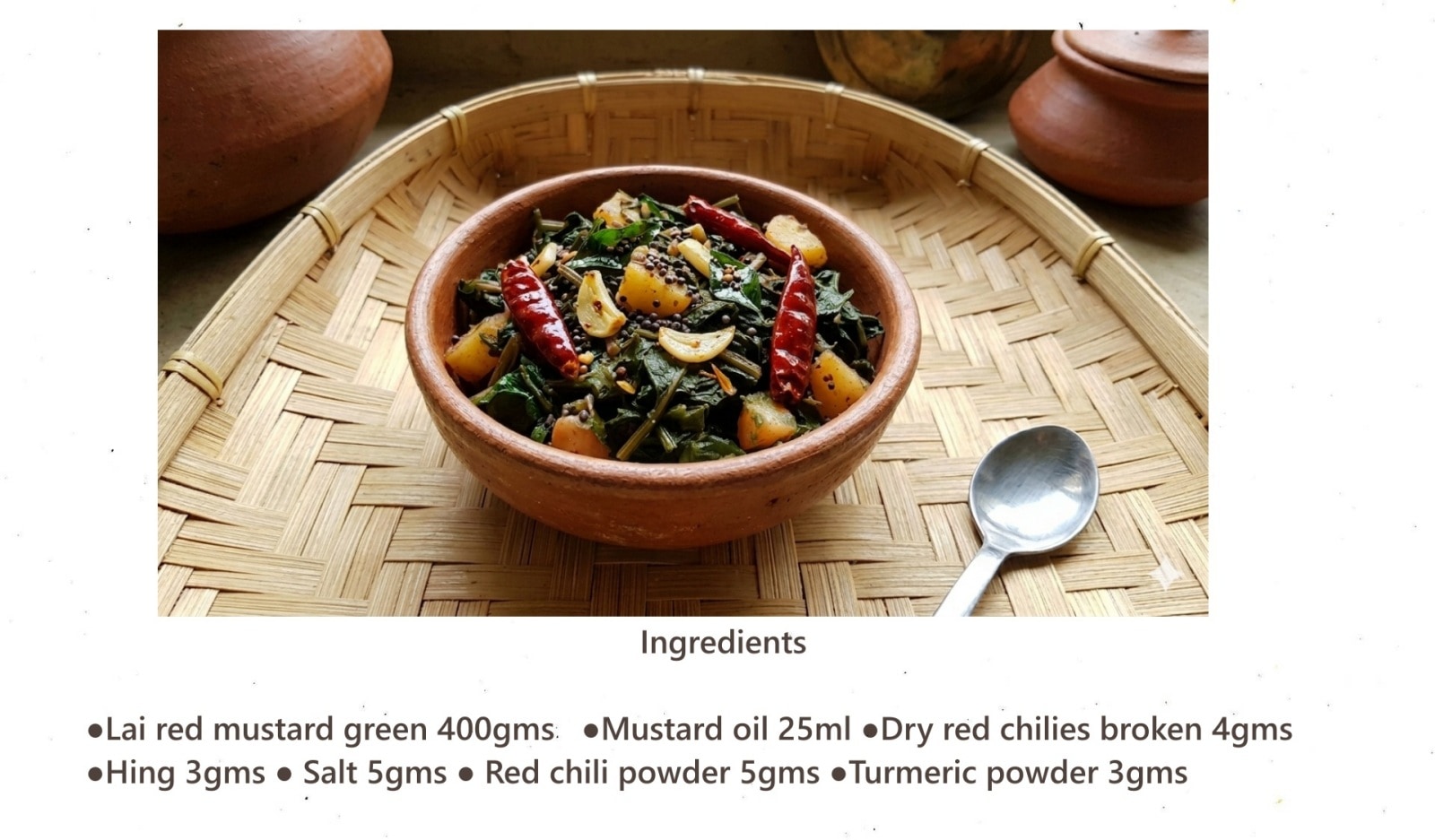 Assamese Pahadi Lai Ki Sabzi is served warm with steamed rice (Image and recipe: Chef Ranjan Majumdar)
Made with finely chopped mustard greens, this dish is cooked quickly with minimal spices like turmeric, red chilli, and asafoetida. The greens are sautéed just enough to retain their nutrients and freshness. Light, fibre-rich, and easy to digest, it pairs well with rice and is a staple in many eastern Indian households during warmer months.
Remove the tough stem from the base of the greens. Wash the leaves in water twice or thrice to make sure they are absolutely clean.
- Chop the greens into very fine threads; the finer they are cut, the tastier the dish.
- Heat oil in a thick-bottomed wok over high heat.
- Once the oil reaches the smoking point, reduce the heat to low.
- Add the dry red chillies. Fry for 10 seconds or so.
- Add asafoetida and cook for a few seconds.
- Now add the chopped greens, stir to mix. Add salt, turmeric, and red chili powder.
- Mix nicely and cover the wok with a lid. Allow the vegetable to cook on a low flame till the greens turn soft. It will take 10 -12 minutes. Stir the vegetables at regular intervals to avoid getting burnt.
- There should be no liquid from the greens in the wok. Do not cook the greens for too long.
- Serve Lai Ki Sabzi warm, served with rice.
4. Amlu
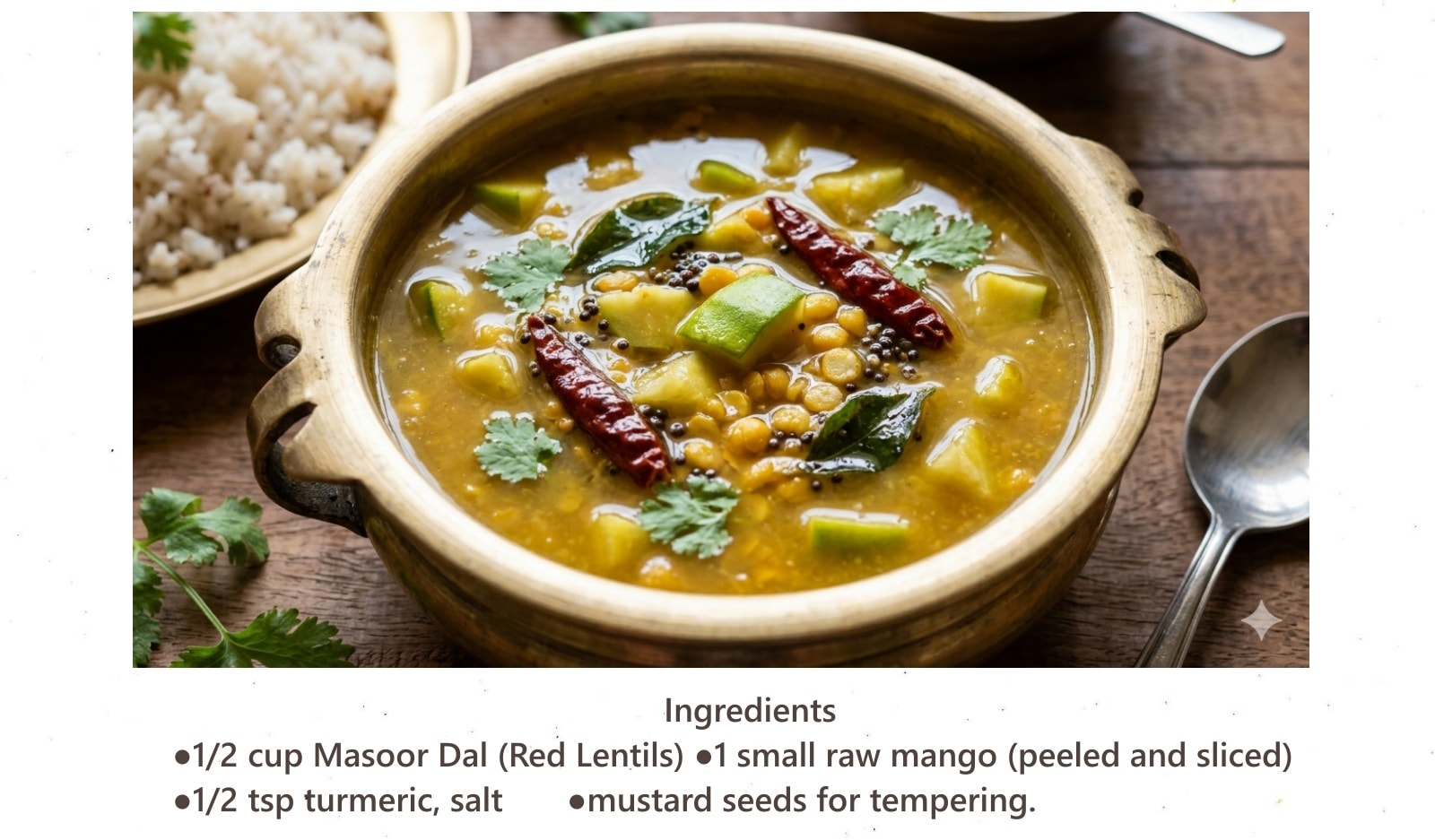 Amlu is usually served hot or warm over a bowl of plain white steamed rice, often with a drizzle of ghee (Image and recipe: Chef Ranjan Majumdar)
Amlu combines soft, cooked lentils with raw mango slices, creating a balance of protein and tanginess.
The dish is light, slightly sour, and comforting—ideal for days when appetite dips due to heat. Raw mango not only adds flavour but also provides a cooling effect, making this a smart seasonal choice.
- Pressure-cook the dal with 3 cups of water and turmeric until completely soft.
- Whisk the dal until smooth and thin.
- Add the raw mango slices and simmer until tender but still firm.
- Temper with mustard seeds in a drop of oil. The mango’s sourness provides an instant cooling sensation.
5. Dahi Pura Baingan
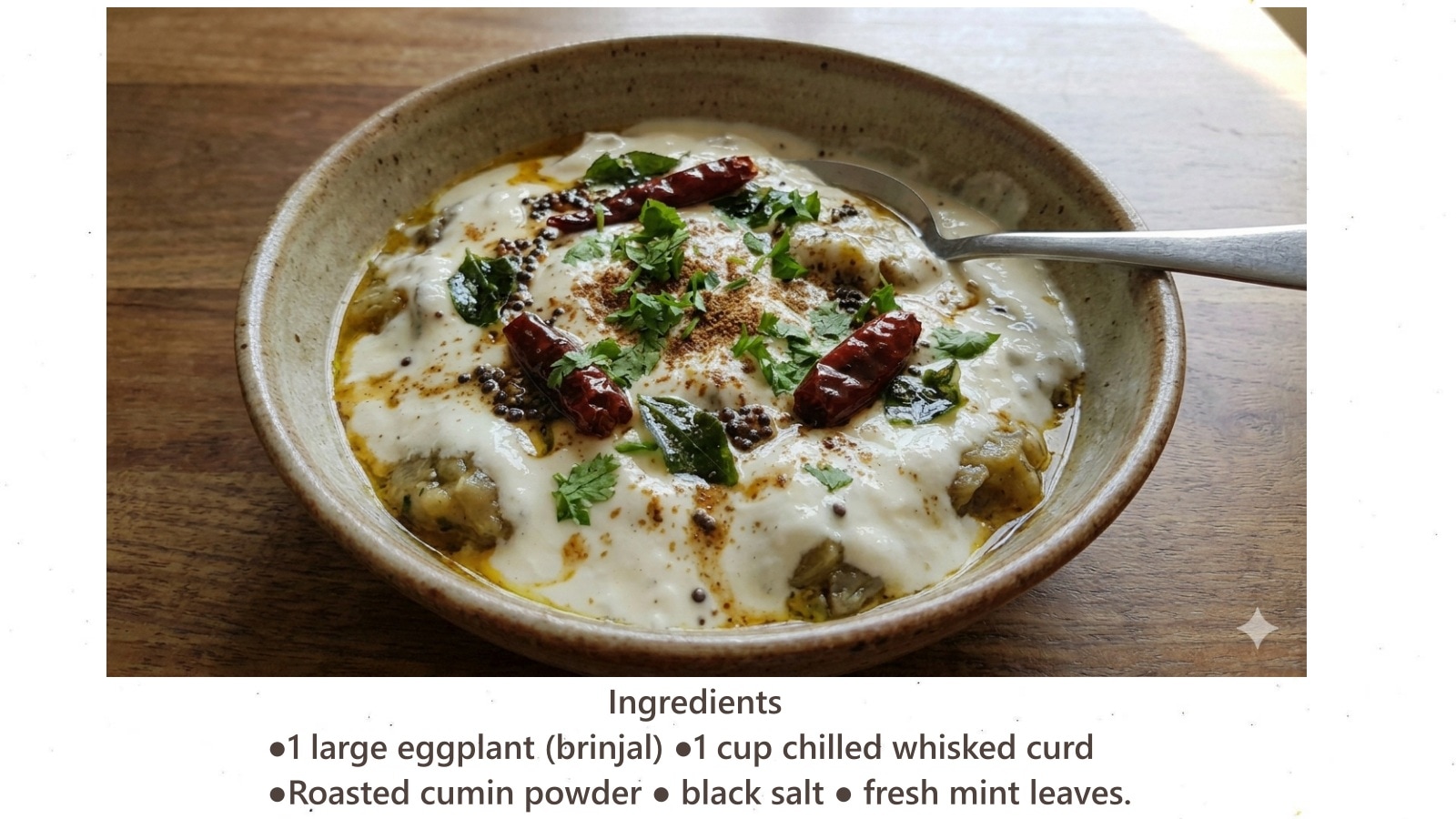 Dahi Pura Baingan is frequently paired with steaming hot steamed rice or cumin rice (Image and recipe: Chef Ranjan Majumdar)
This dish brings together smoky roasted eggplant and chilled curd, creating a refreshing contrast of flavours.
Story continues below this ad
The eggplant is roasted until soft, mashed, and then mixed into cool yoghurt, seasoned with roasted cumin, black salt, and fresh mint. The result is a creamy, cooling dish that feels light yet satisfying.
Chef Majumdar emphasises that such dishes are rooted in seasonal wisdom. “The following recipes highlight the use of traditional techniques… and the use of indigenous cooling agents to counter the rising temperatures.”
In many ways, Indian regional cuisines already offer the perfect blueprint for summer eating—simple, balanced, and naturally cooling without relying on elaborate ingredients.
- Roast the eggplant over an open flame until the skin is charred and the inside is soft.
- Peel and mash the pulp, ensuring it cools completely.
- Fold the smoky eggplant into the chilled curd.
- Season with black salt and cumin, and top with torn mint leaves for a refreshing finish.
DISCLAIMER: This article is based on information from the public domain and/or the experts we spoke to.