
TIMESOFINDIA.COM / Updated: Apr 20, 2026, 5:34 IST
AA
Text Size
- Small
- Medium
- Large
1/6
Rats are smart, adaptable, and honestly just looking for food and shelter
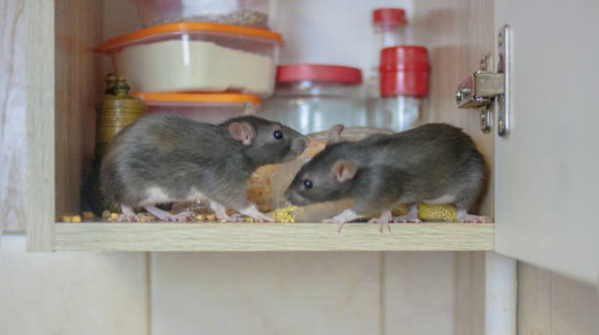
If you’ve spotted a rat in your kitchen or found something gnawed through in the garage, your first instinct is probably to panic. Totally fair. But before you call an exterminator or buy a box of poison, it’s worth knowing that there are gentler ways to handle this — ways that actually work, and that don’t involve killing anything.
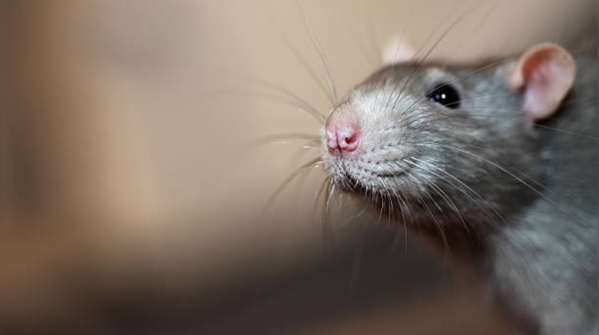
Rats are smart, adaptable, and honestly just looking for food and shelter. They’re not there to terrorize you. Once you understand that, the whole thing becomes less of a war and more of an eviction. And evictions you can manage.
2/6
Start by cutting off what’s keeping them there
Food is almost always the reason rats move in. An open bag of rice in a cabinet, fruit that’s fallen in the garden, a compost pile without a lid, any of that is basically a welcome sign. So before you try anything else, do a proper audit of your space. Move dry goods into sealed glass or metal containers. Pick up fallen produce the same day. If you feed birds, know that the seeds that drop are just as attractive to rats as they are to sparrows. It doesn’t mean you have to stop feeding birds, but a tray underneath the feeder makes a big difference.
Fixing these things isn’t just good pest practice, it’s good home maintenance anyway.

3/6
Make the place uncomfortable for them
Rats have very sensitive noses, and there are certain smells they really hate. Peppermint oil is the one people talk about most, and it actually does something. Soak a few cotton balls in the oil and place them near entry points or in corners where you’ve seen activity. You’ll need to refresh them every few days because the scent fades, but it’s a simple, non-toxic way to push them toward the exit. Eucalyptus and clove oil work similarly.
There’s also something to be said for predator scents. You can buy used cat litter — if you don’t have a cat yourself — and place a small amount near rat-frequented spots. Sounds a bit odd, but rats have evolved to flee from the smell of cats. It triggers something instinctive in them. Same idea with owl feathers or commercial predator urine sprays, which are sold for garden use.

4/6
Seal every gap you can find
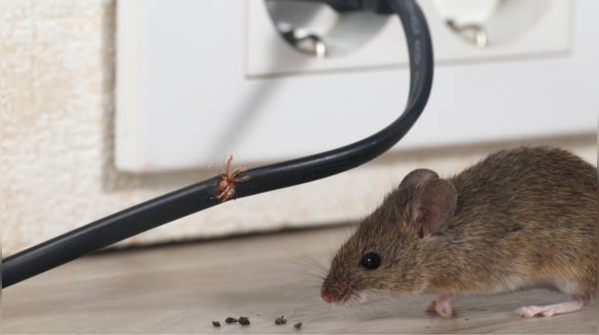
Rats can squeeze through a small hole. It’s a genuinely unsettling fact. So one of the most important things you can do is walk around your home, really slowly, with a torch if needed, and look for gaps around pipes, cracks in the foundation, spaces under doors, loose vents. Steel wool is great for stuffing into holes because rats can’t chew through it. Then seal over it with caulk or expanding foam. It’s not glamorous work, but once you’ve blocked their entry points, you’ve solved a huge part of the problem.
In the garden, raised beds with a wire mesh bottom discourage burrowing. Dense low ground cover like ivy can be a favorite hiding spot, so clearing some of it out near the house helps too.
5/6
Live traps, if you need to physically relocate them
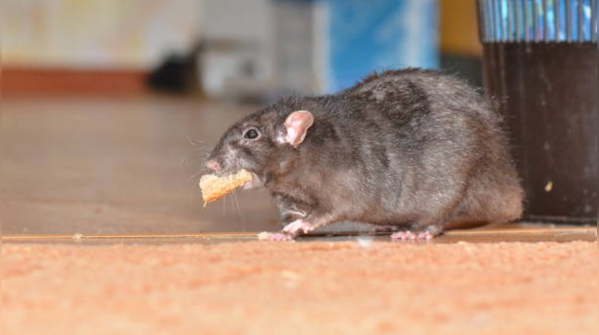
If you’ve got a rat that keeps coming back despite everything, a live cage trap is still a humane option. Bait it with peanut butter or a piece of chocolate — rats can’t resist either — and check it every few hours. Once you’ve caught one, the relocation part is important. You need to take it at least two kilometers away, ideally to a green space well away from other people’s homes. Any closer and it’ll find its way back. And yes, they really do.
Some people worry that releasing a rat somewhere else just makes it someone else’s problem. That’s a fair concern. But the truth is, a healthy rat released into a suitable wild habitat is far more likely to get on with its life than to immediately infiltrate a neighbor’s kitchen. They’re opportunists, not homing pigeons.
6/6
Keep at it, this takes a bit of time
The honest answer is that natural methods aren’t instant. They work, but they work over days and weeks, not hours. If you’ve sealed entry points, removed food sources, deployed scent deterrents, and set live traps when needed, you’re doing everything right. Don’t give up after two days because you still heard something on the wall. Keep being consistent, check your deterrents are fresh, and make sure no new food source has appeared that you’ve missed. Most of the time, rats move on when the space stops being worth the effort. Which, when you think about it, is pretty much what all of us do.
Follow Us On Social Media