
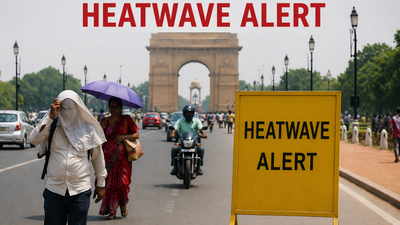
Delhi-NCR didn’t ease into summer this year. The heat just arrived, hard and early, with temperatures already touching 41-42°C this week, and forecasts offering little comfort.
If you’ve stepped outside recently and felt like the air itself was burning, you’re not imagining it. And doctors say the city’s hospitals are already feeling the pressure.Dr. Meenakshi Jain, Principal Director of Internal Medicine at Max Super Speciality Hospital, Patparganj, has been watching OPD numbers climb steadily as the mercury rises. “Hospitals across Delhi-NCR are seeing more people coming to OPDs with heat-related problems as temperatures climb,” she says.
What’s making this particular heatwave more concerning is the timing. Our bodies haven’t had the gradual weeks of adjustment that a normal summer allows.
So when the heat hits this hard, this fast, even relatively healthy people are struggling.
What’s coming into the OPDs
The cases Dr. Jain and her colleagues are seeing aren’t all dramatic emergencies. Most people walking into OPDs right now present with dizziness, splitting headaches, nausea, muscle cramps, and a kind of bone-deep exhaustion that doesn’t go away with rest.
Profuse sweating and a racing pulse are common too. These are the classic signs of heat exhaustion, uncomfortable and alarming, but manageable if caught early.But some cases are turning serious. “A handful turn into heatstroke with high fever over 40°C, confusion, or fainting, which can harm organs like the kidneys or the heart if not treated fast in ICU,” Dr. Jain warns. Government and private hospitals alike are reporting roughly 8 to 10 heat-related cases every single day right now, with a few requiring admission.
The patients most at risk? Outdoor workers who have no choice but to be in the sun, older adults above 55, young children, and people already managing diabetes or heart conditions.
The hours that matter most
Dr. Jain is clear about one thing: 11 AM to 4 PM is when the sun is most punishing, and staying indoors during those hours is non-negotiable if you can manage it. Avoid any strenuous outdoor activity in that window. And it’s not just about being outside — it’s about what you’re drinking, what you’re wearing, and whether your living space gives your body any relief from the relentless heat.On hydration, she recommends 2 to 3 liters of water daily, and doesn’t stop there. Electrolyte-rich fluids — ORS, coconut water, buttermilk, watermelon juice — are what actually help the body replenish what it’s losing. And the drinks people reach for instinctively during stress or fatigue? Caffeine, alcohol, sugary sodas — those actively make dehydration worse. So put the chai down, at least during peak hours.Clothing matters more than people think. Light-colored, loose cotton clothes reflect heat and let the skin breathe.
If you’re stepping out, an umbrella or hat isn’t optional — it’s basic protection. Keep your home as cool as possible, with fans running and windows managed to trap cooler air in the early morning hours.
If someone around you goes down
Dr. Jain’s first-aid guidance is practical and worth knowing before you need it. Move the person to shade immediately. Use wet cloths and fanning to bring the body temperature down. If they’re conscious and coherent, give them fluids.
But if they’ve stopped sweating despite the heat, if they’re confused, seizing, or unconscious — that’s heatstroke, and that needs a hospital, fast. Don’t wait to see if they’ll “come around.
““Stay vigilant, beat the heat, and protect your loved ones. Small steps today prevent big troubles tomorrow,” Dr. Jain says. It sounds simple. But with an early heatwave already pushing Delhi-NCR to its limits, and bodies that haven’t yet adjusted to the season, those small steps are genuinely the difference between a rough afternoon and a medical emergency. Take the heat seriously this week. It already is.Medical experts consulted This article includes expert inputs shared with TOI Health by: Dr. Meenakshi Jain, Principal Director of Internal Medicine at Max Super Speciality Hospital, PatparganjInputs were used to explain how to stay safe as temperatures soar across Delhi NCR.