

Diabetes can quietly damage the eyes by weakening tiny blood vessels in the retina.
Diabetes is generally linked with the heart, kidneys, and nerves. The eyes rarely make that list in everyday conversations. Yet, vision is one of the first places where silent damage can begin.
It doesn’t happen overnight. It builds slowly, often without pain, and then shows up when it’s harder to reverse.As Dr Nusrat Bukhari explains, “Diabetes will not only impact the heart, kidneys, liver, and nerves, but also your eyes.” That single line captures a truth many people overlook until symptoms appear.
Watch
Tips for healthy eating with Diabetes
What really happens inside the eye
The eye works like a camera. The retina at the back captures images and sends them to the brain. This layer is filled with tiny, delicate blood vessels.
Diabetes interferes with them.When blood sugar stays high for long periods, these vessels begin to weaken. They may swell, leak, or even close off. In some cases, the body tries to grow new vessels, but these are fragile and often cause more harm than good.This process is called diabetic retinopathy. It can move quietly from mild to severe stages without clear warning signs. According to the National Eye Institute, diabetic retinopathy remains one of the leading causes of vision loss worldwide.
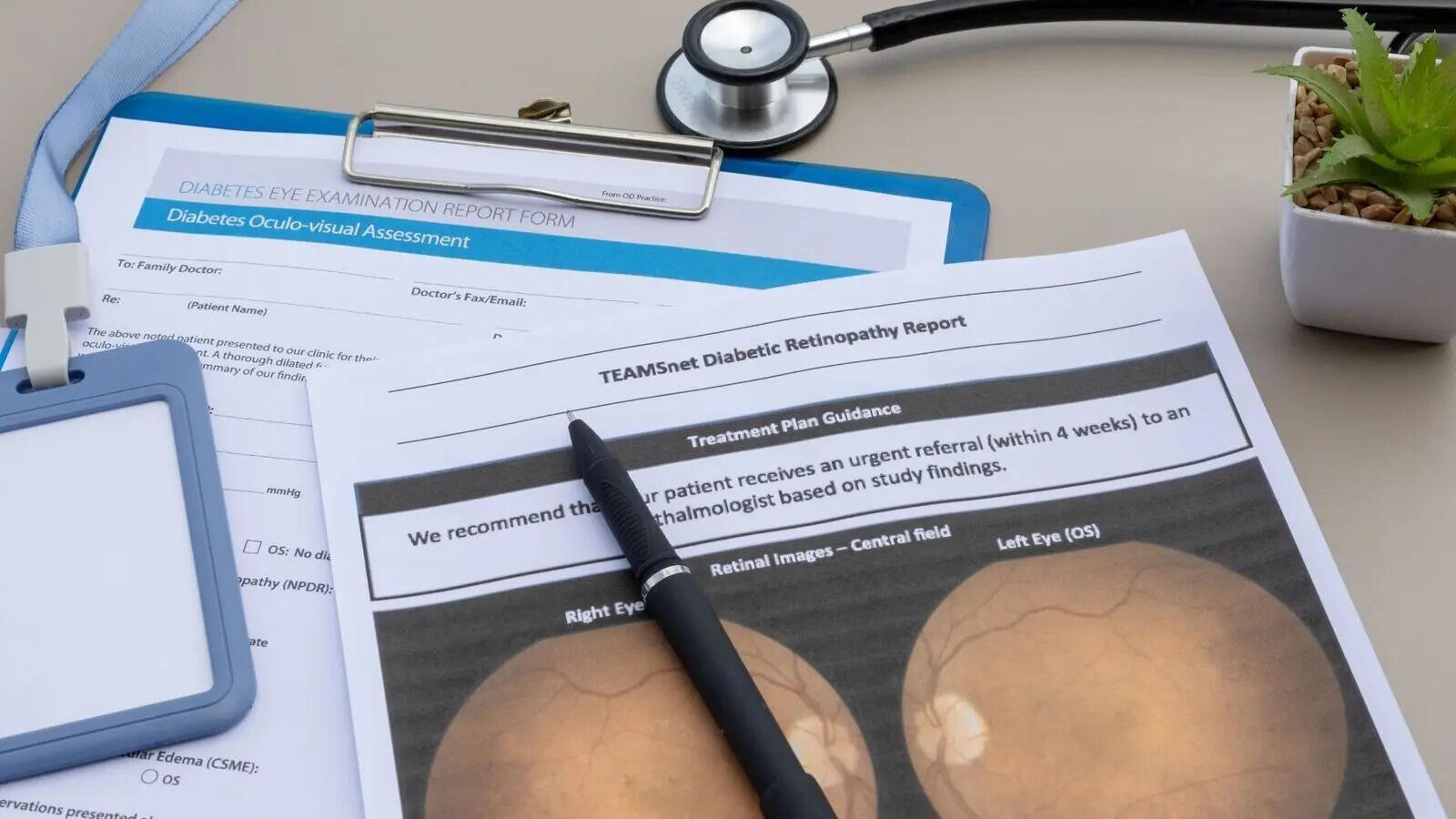
This can lead to conditions like diabetic retinopathy, cataracts, and glaucoma. The danger lies in the lack of early symptoms.
The conditions that follow
Eye damage from diabetes rarely stays limited to one issue. It opens the door to several conditions:
- Diabetic retinopathy: Damaged blood vessels affect vision clarity
Diabetic macular edema : Fluid builds up in the retina, causing swelling- Cataracts: The lens turns cloudy, often at a younger age
- Glaucoma: Pressure builds inside the eye and harms the optic nerve
Dr Bukhari notes, “Those with unmanaged diabetes may be at risk of eye problems such as diabetic retinopathy, diabetic macular edema, cataracts, and glaucoma.”Research published in Science Direct shows a steady rise in diabetes-linked eye disease in urban India, especially among people aged 40 and above.

Regular screening, blood sugar control, and a healthy lifestyle can prevent or delay vision loss.
Why many people miss the warning signs
The tricky part is not the damage.
It is the silence.Many people feel fine until the condition has already progressed. When symptoms do appear, they may look like this:
- Blurred or fluctuating vision
- Dark spots or floaters
- Trouble seeing at night
- Sudden changes in eyesight
Dr Bukhari warns, “Eye problems can progress without any noticeable symptoms and later lead to panic, stress, anxiety, and worry among people.”A large study by the Centers for Disease Control and Prevention also highlights that nearly half of people with diabetic eye disease are unaware of it in early stages.
The chain reaction inside the body
Diabetes rarely works alone.
It builds a chain reaction.High blood sugar damages blood vessels. High blood pressure adds extra strain. High cholesterol thickens the blood flow. Smoking reduces oxygen supply. Together, they create the perfect environment for eye damage.“Higher blood sugar levels affect the tiny blood vessels in the retina, leading to leakage, swelling, or abnormal blood vessel growth,” says Dr Bukhari.This explains why two people with diabetes may have very different eye outcomes.
Control matters more than duration.
Protecting your vision before it slips
The good news is simple. Most of this damage is preventable or can be slowed down. Small, consistent actions make a real difference:
- Keep blood sugar within the target range
- Track levels regularly, at least every 2–4 weeks
- Check HbA1c every three months
- Eat fresh, fibre-rich foods instead of processed ones
- Stay active for about 45 minutes daily
- Manage stress through yoga or breathing exercises
- Schedule a yearly eye exam, even if vision feels normal
Dr Bukhari adds, “Those with diabetes need to maintain blood sugar levels within the recommended range and prevent eye problems.”Vision loss from diabetes is not sudden. It is usually the result of neglect over time. That also means it can be prevented with attention over time.Medical experts consultedThis article includes expert inputs shared with TOI Health by:Dr Nusrat Bukhari, Ophthalmologist, Apollo Spectra Hospital Mumbai.Inputs were used to explain how diabetes can affect eye health, what early warning signs to watch for, and why timely screening and medical care are essential to prevent vision loss.