
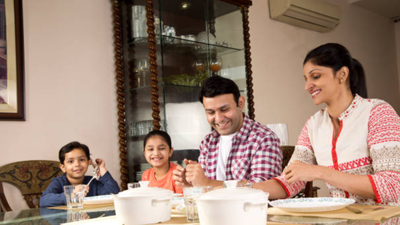
Trying to cut down screen time at home can feel like picking a fight you didn’t plan for. You say “no phones,” and suddenly everyone has something urgent to check. Messages, videos, just one more scroll.
It’s not that kids don’t understand. It’s that screens have quietly become part of how everyone relaxes. So if you walk in and switch them off without warning, it’s bound to get pushback.The trick is not to treat it like a strict rule from day one. It works better when it feels like a shared change, not a punishment. Start small. Pick a time that already makes sense—maybe after dinner or just before bedtime. Something consistent, but not disruptive.
And instead of announcing it like a ban, ease into it. Talk about it casually. “Let’s try one hour without screens and see how it feels.” That tone matters more than you think.
Make it predictable, not negotiable
Kids resist things that feel random. If one day screens are fine and the next day they’re suddenly not, it creates confusion. But when the same hour becomes tech-free every day, it slowly turns into routine. At first, there will be reminders. A few groans, maybe some bargaining.
That’s normal. But over time, it stops feeling like something being taken away and starts feeling like just another part of the day.And consistency doesn’t mean being rigid. Some days will slip. Maybe there’s a late meeting or someone’s just too tired. That’s okay. The goal isn’t perfection. It’s creating a rhythm that people can come back to without feeling forced.
What replaces the screens actually matters
This is where most people get stuck. It’s easy to say “no screens,” but harder to answer “then what?” If there’s nothing else to do, everyone just sits around waiting for the hour to end.
That’s when resistance builds.So give it a bit of shape, but don’t overplan it. Keep things simple. A board game one day, a walk another, even just sitting and talking. And yes, sometimes it will feel awkward at first. Silence isn’t a bad sign. It just means everyone is adjusting. Over time, those quiet moments turn into real conversations, the kind that don’t happen when everyone’s looking at a screen.
It works better when you’re part of it
Kids notice everything. If they’re asked to put devices away while adults keep checking phones, it won’t land well.
It doesn’t have to be perfect, but showing up matters. Sit with them. Join whatever’s happening, even if it’s just for a while. That shared time is what makes the hour feel different from the rest of the day.And honestly, it’s not just for kids. Adults get used to constant scrolling too. That one hour can feel strange at first, even for you. But after a few days, it starts to feel like a break you didn’t know you needed.
Let it grow naturally
At the beginning, it might feel like effort. Watching the clock, filling the time, managing reactions. But give it a little space. The resistance fades. Kids start picking up things on their own—drawing, chatting, even just sitting nearby. It becomes less about rules and more about habit.And that’s really the point. Not to create a perfect routine, but to make room for something that gets lost in busy days. A bit of time where no one’s distracted, and everyone’s actually there.

