
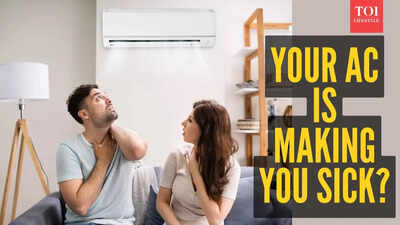
Your AC Isn’t Saving You, It Might Be Making You Sick: The Dark Side of Air Conditioning No One Talks About
Summer today does not just arrive, it engulfs. Across cities, from Delhi to Dubai, air conditioners have become less of a luxury and more of a survival tool but behind that artificial chill lies a growing paradox: the very machines protecting us from heat may be quietly reshaping our health in ways we rarely question.We have been taught to fear heatwaves. What we have not been taught is how constant cooling might be rewiring our bodies.
The illusion of “safe cool” of air conditioners
It is undeniable that air conditioning saves lives. According to a recent 2025–2026 study published in JAMA Internal Medicine, access to AC significantly reduces mortality during extreme heat events, especially among older adults. The research even pointed out that people living without AC faced greater dangers of dying during heatwaves, which makes cooling an essential element of public health.However, here’s where the narrative gets complicated: survival is not the same as optimal health. The modern problem is not whether we use AC, it is how much we rely on it. There have been more and more studies that show that staying in air-conditioned spaces for a long time causes some rather small but still continuous health problems.A 2026 public health survey study in Academia.edu found that people using AC for long durations reported significantly higher symptoms.
Researchers revealed, “Prolonged AC use is significantly associated with cold, headache, fever and chest pain.”
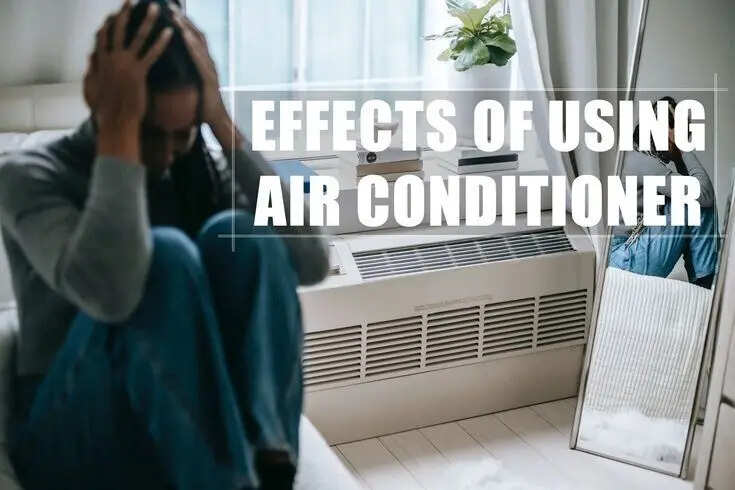
Air Conditioner Health Risks: How Constant Cooling Impacts Your Well-being
The study highlighted a pattern that many urban dwellers recognise but rarely connect: the “summer cold”, unexplained fatigue and recurring headaches. Air conditioners don’t just cool, they strip moisture from the air and that has biological consequences.A 2026 synthesis, with environmental and respiratory health findings summarised across recent indoor-air research, established, “Low humidity can cause dehydration… and respiratory tract problems.” When indoor air becomes too dry, nasal passages lose their ability to trap viruses, skin barrier weakens and throat and lungs become more vulnerable to irritationIn other words, your AC may be quietly lowering your immune defences while making you feel “comfortable.”
The hidden respiratory and physiological burden of air conditioners
Beyond dryness, recirculated air can amplify indoor pollutants, allergens and microbial exposure. A 2026 WebMD summary of workplace studies highlighted, “People… in air-conditioned buildings have more respiratory problems.” This aligns with broader indoor air research showing increased airway irritation, higher incidence of “sick building syndrome” and greater exposure to poorly maintained HVAC systems.There’s a deeper, less discussed issue: physiological dependency.
Human bodies are designed to adapt to heat, humidity, seasonal change. Constant artificial cooling disrupts that adaptation cycle. Heat tolerance diminishes with age, the cardiovascular system gets stressed by sudden temperature changes and the outdoors seem much more intense than they really are.

Your AC Is Making You Sick: The Hidden Dangers of Artificial Chill
In fact, this forms a cycle in which the more we use air conditioning, the more we want it.
So, is air conditioning harmful?
Not inherently. In fact, in extreme heat, it is life-saving but the emerging consensus from recent research is nuanced.
AC is protective in extremes but excessive reliance carries everyday health trade-offs.The real risk lies in continuous exposure (10–18+ hours daily), poor maintenance of filters and ducts, overcooling indoor spaces and lack of ventilation or fresh air exchange. A smarter way to stay cool is that instead of abandoning AC (which is unrealistic), the goal is balance. Keep temperatures moderate and not icy, allow periodic exposure to natural air, maintain humidity levels (40–60% ideal), clean filters regularly and avoid sleeping in excessively cold environments.
Air conditioning is one of modern life’s greatest conveniences but also one of its quietest dependencies.The future of summer health is not about choosing between heat and cold. It is about learning how to live between them, where comfort does not come at the cost of resilience.Note: The information provided in this article is for educational purposes only and is not intended as medical advice. Always consult with a qualified healthcare professional before starting any new medication or treatment and before changing your diet or supplement regimen.

