
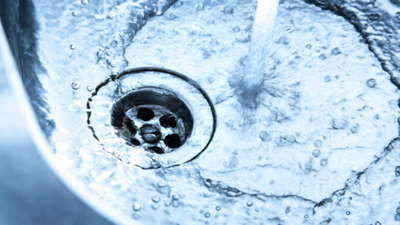
There’s a particular kind of embarrassment that comes with a smelly sink. It’s not like a cluttered countertop or a soap stain, those you can explain away. A bad smell is harder to ignore, harder to hide, and somehow feels like a deeper indictment of how you’re keeping your home.
Guests notice. You notice. And after a point, even running the tap doesn’t help.Most people assume the basin itself is dirty and scrub it thoroughly, only to find the smell is still there an hour later. That’s because the source is almost never the surface of the sink. It’s what’s happening inside the drain.Over time, the drain becomes a collection point for everything that goes down it, toothpaste, soap residue, hair, dead skin cells, and whatever else gets rinsed off hands and faces on a daily basis.
That build-up sits in the pipe, stays damp, and starts to decompose. What you’re smelling is essentially organic matter rotting in a warm, wet environment. Not pleasant to think about. But useful to know, because it tells you exactly what you need to clean.The drain isn’t the only culprit though. There’s also the P-trap, that curved section of pipe beneath the basin that holds a small amount of water at all times. That standing water acts as a barrier, blocking sewer gases from travelling back up through the drain and into your bathroom.
When the P-trap dries out, which happens if a sink hasn’t been used for a while, those gases come straight up. The smell is distinctly different from a blocked drain: more sulphurous, sharper, almost like rotten eggs.
Start with boiling water and baking soda
Before you reach for any chemicals, try the simplest version first. Boil a kettle of water and slowly pour it down the drain. Hot water loosens grease and soap build-up that’s been sitting in the pipe, and in mild cases, that alone can clear enough of the gunk to fix the smell.If that doesn’t do it, and often it won’t for a drain that’s been building up for months move to baking soda and vinegar. Pour about half a cup of baking soda directly into the drain, followed by half a cup of white vinegar. It’ll fizz, which is exactly what you want. That reaction breaks down the organic residue coating the inside of the pipe. Let it sit for twenty minutes or so, then flush it through with hot water. Do this once a week for a month if the smell has been persistent, and you’ll notice a real difference.But don’t mix baking soda with chemical drain cleaners. That combination can create a reaction you don’t want, especially in a confined pipe. Pick one approach and stick with it.
Clean what you can actually see
The drain cover is worth taking off and cleaning properly. Hair and soap scum collect right at the opening and just below it, and that visible layer of grime is often contributing to the smell even before you get to the pipe itself. Most drain covers unscrew or pop off easily.
Wear gloves, pull out whatever’s in there, rinse the cover under hot water, and give it a scrub before putting it back.While you’re at it, check the overflow hole, that small opening near the top of the basin that prevents it from flooding if you leave the tap running. It’s one of the most neglected spots in any bathroom. Grime and mold build up inside it over months and it can quietly be the source of a persistent smell that no amount of drain cleaning will fix.
A thin bottle brush or an old toothbrush dipped in a diluted bleach solution works well here.
When the smell keeps coming back
If you’ve cleaned the drain, the overflow hole, run hot water regularly to keep the P-trap full, and the smell still returns within a few days, the problem is likely deeper in the pipe. A partial blockage further down the drain can trap decomposing matter that surface cleaning can’t reach. In that case, a plumber’s drain snake can dislodge it, or a plumber can take a proper look.Persistent sewer smells specifically, that sharp, eggy odour, might also point to a problem with the P-trap’s seal or a crack somewhere in the pipe. That’s not a DIY fix. Better to have someone check it properly than to keep masking the smell.A smelly sink isn’t something you have to live with. It’s almost always a build-up problem with a straightforward solution. Clean it properly once, keep up with it occasionally, and it stays gone.