
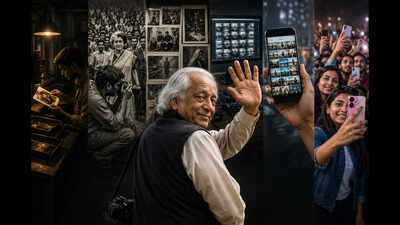
Raghu Rai and the vanishing soul of photography
India’s most legendary photographer, the chronicler of Independent India, Raghu Rai, died yesterday. He was 83. After a two-year battle with prostate cancer, the shutter gently closed on an entire era of seeing and remembering.
The man who captured the soul of India through decades of patient witnessing, left us.
His images of human suffering, political tumult and quiet everyday dignity were not mere records. They were acts of deep attention, prints that could be held, felt and revisited until they became woven into memory. His departure serves as a poignant reminder of what photography once was before the deluge of social media, smartphones, and now AI.
And age where nothing can be trusted.
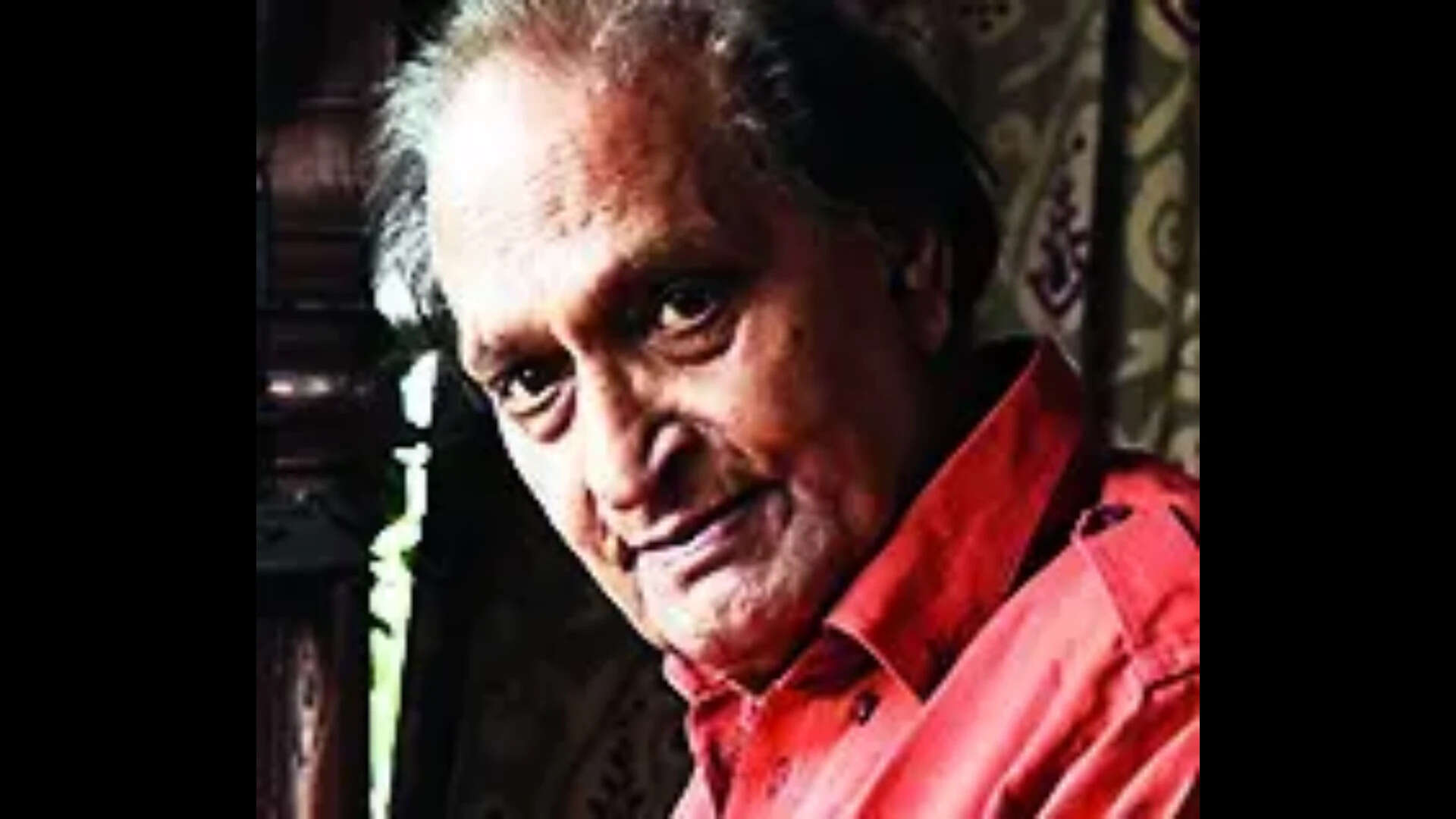
Legendary photographer and chronicler of a new Independent India, Raghu Rai, died yesterday. He was 83.
We live in the age of endless images. The smartphone camera revolution has placed a point and shoot device in every hand, turning billions into photographers who click compulsively. What was once a deliberate art has become an effortless habit, and in that abundance, something essential has been lost. The soul of photography, its weight, its value and its capacity to hold meaning, has quietly slipped away into pixels on screens.
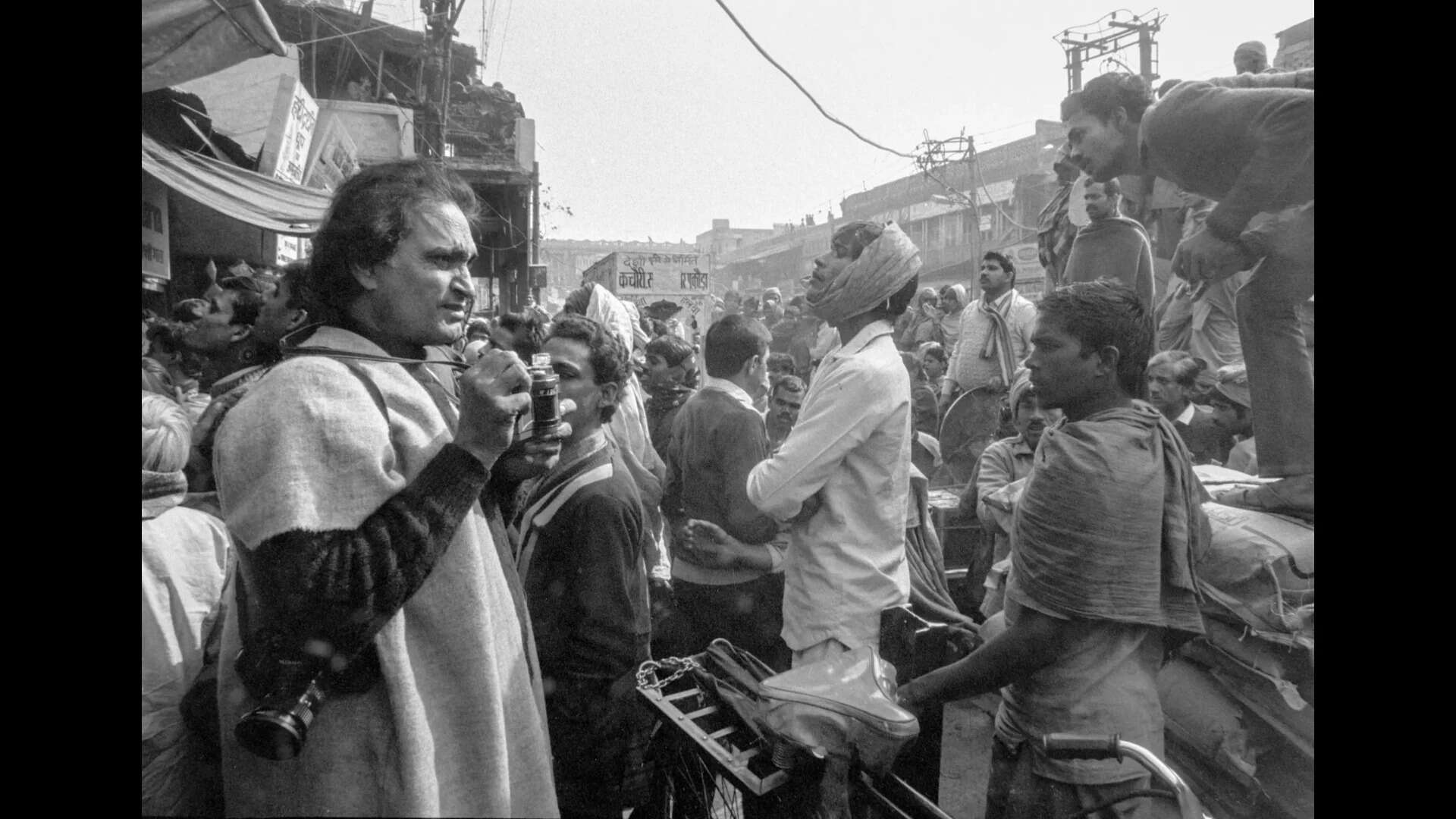
Renowned photographer Raghu Rai while taking photographs on a winter morning at Khari Baoli, Old Delhi, in 1992. For over five decades, his patient, black-and-white images captured the soul of a young nation finding its feet after independence. Its joys, pains, contradictions, and quiet dignity..(PTI Photo/Gurinder Osan)(PTI04_26_2026_000048B)
Rai was one of India’s most respected photojournalists. For over five decades, his patient, black-and-white images captured the soul of a young nation finding its feet after independence. Its joys, pains, contradictions, and quiet dignity. His death marks a quiet hinge between two worlds: one where a single photograph could stop time, move hearts, and shape history, and today’s world of endless digital scrolling, where thousands of images flash past every hour, yet few stay with us or mean anything deep.
Raghu Rai – and the power of stillness
Raghu Rai was born on December 18, 1942, in Jhang (now in Pakistan). His family moved to India during the trauma of Partition. He trained as a civil engineer but quickly discovered his true calling in the mid-1960s. The turning point came during a village visit with his elder brother, photographer S. Paul. Rai borrowed a camera and spotted a cute baby donkey standing like a statue in the early evening light. He chased the playful animal until it stopped, and clicked.
That simple, spontaneous image was published as a half-page spread in The Times of London. It taught him the magic of waiting for a moment to reveal itself naturally, rather than forcing it. And thus began an illustrious career journey that would define a century.
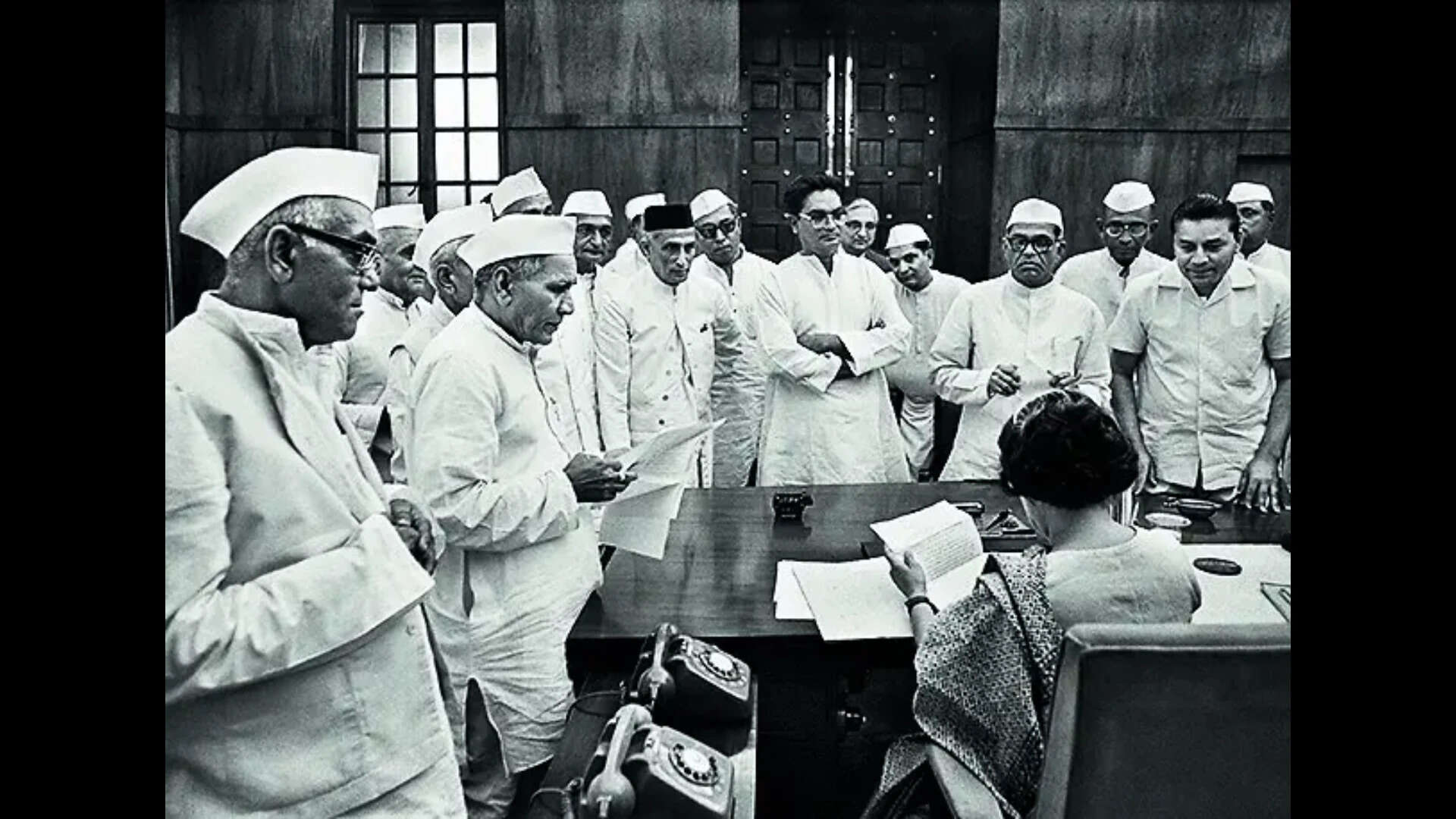
Rai shadowed India’s late former Prime Minister Indira Gandhi for years – the gender dynamics at play for India’s top-most chair still remains skewed since Rai’s picture captured it in the 1970s
In 1966, he joined The Statesman as chief photographer. Later, he worked with India Today and Sunday. Henri Cartier-Bresson, the legendary French photographer and co-founder of Magnum Photos, mentored Rai and nominated him as the first Indian member of the prestigious Magnum agency in 1977.
Rai never chased fame or flashy gear. He did not view the camera as a machine. It was his personal “dharma”. Photography, for him, was a form of “darshan”: a meditative, immersive way of truly seeing the truth in everyday life with an open heart, instinct, and patience.
All lost qualities in today’s world of instant gratification.
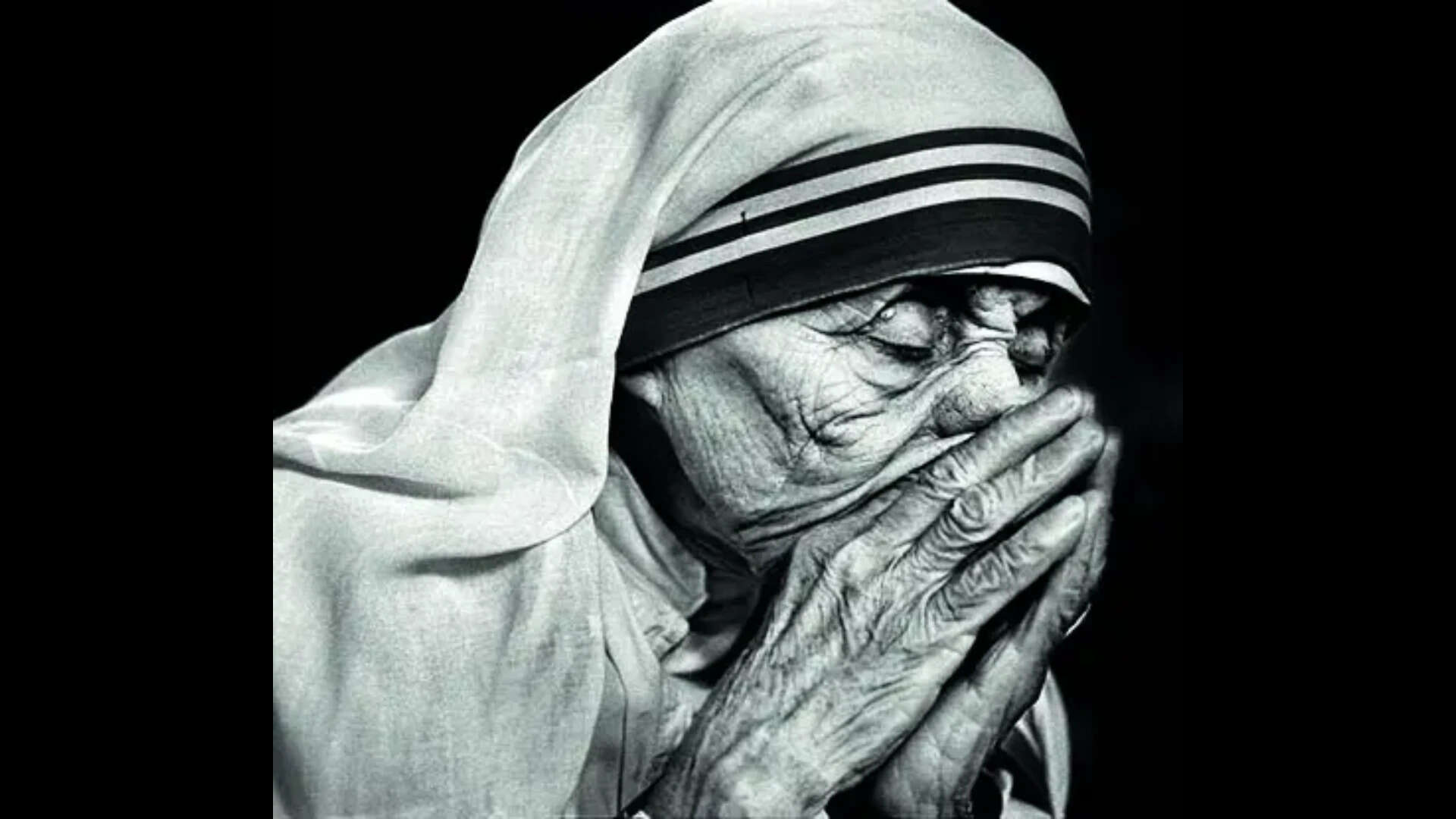
Rai captured Mother Teresa, in Kolkata, not just as a global saint but in moments of silent strength and deep human devotion
He often said the mind is like a computer loaded with clichés and ready-made ideas. To make a powerful photograph, you must switch off that busy mind and let your eyes connect directly to your heart.
He dressed simply, avoided big camera bags or stylish clothes, and tried to become almost invisible so that people would behave naturally around him. This quiet approach allowed intimate access to major figures without turning them into distant icons.Rai shadowed India’s late former Prime Minister Indira Gandhi for years – at her peak as a politician. He documented her evolution from a thoughtful, somewhat lonely leader to a more authoritarian figure during the 1975 Emergency.
He captured Mother Teresa in Kolkata not just as a global saint but in moments of silent strength and deep human devotion, like walking down stairs in a simple white sari or tending to the suffering. He photographed the Dalai Lama, classical musicians like MS Subbulakshmi in moments of prayerful intensity, and the spiritual rhythm of life along the Ganges in Varanasi.
His books—more than 18 in total—covered Delhi, Calcutta, the Sikhs, the Taj Mahal, Khajuraho, and Tibet in exile, all creating a rich, layered visual history of modern India.
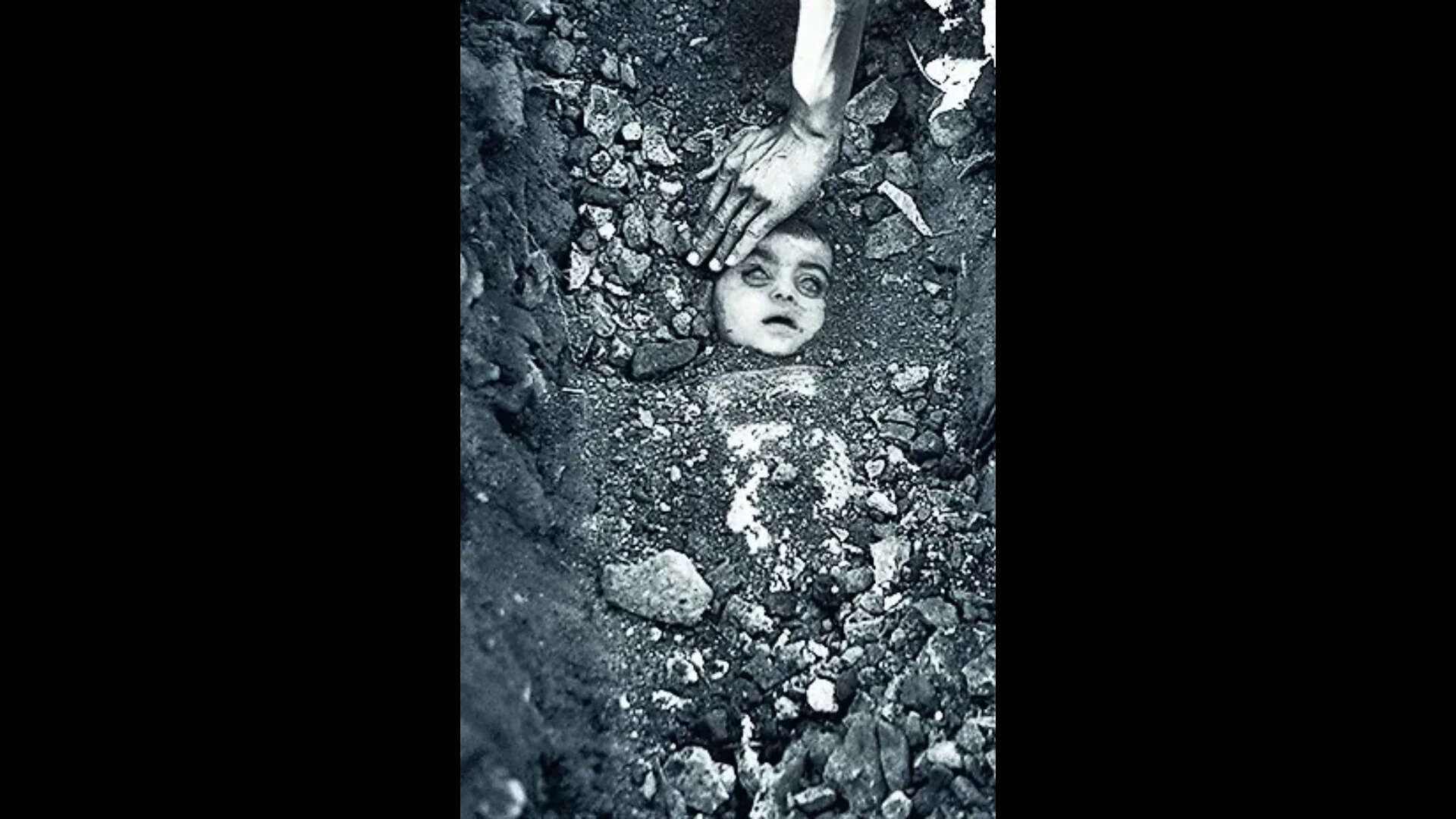
One of his most haunting works came from the 1984 Bhopal gas tragedy. While many photographers chased dramatic crowd scenes, Rai focused on the burial of an unknown child, one of the most famous photographs known to the world since then
One of his most haunting works came from the 1984 Bhopal gas tragedy. A leak from the Union Carbide pesticide plant killed thousands immediately and left tens of thousands suffering for decades. While many photographers chased dramatic crowd scenes, Rai focused on the burial of an unknown child – its small body with eyes still open amid the rubble. That single image transformed an “industrial accident” into an undeniable human catastrophe in the eyes of the world. Years later, he returned for Greenpeace to document the long-term suffering of survivors, resulting in the book, Exposure: A Corporate Crime and exhibitions that travelled internationally. He also covered the 1971 Bangladesh Liberation War and the chaos of Indian cities, always with raw honesty rather than polished drama.
His frames carried dust, grain, contradictions, and the texture of real life.
The heavy responsibility of the witness
Photojournalism demands a difficult balance. The photographer must record events truthfully without injecting personal tears or anger into the frame. Rai believed a good witness stays disciplined and detached so the truth can reach viewers with its original power. He never staged scenes.This ethical tightrope runs through many iconic images by many photographers in the last century.
In 1972, Nick Ut photographed the “Napalm Girl”, a nine-year-old Phan Thi Kim Phuc running burned and naked after a US air strike in Vietnam. The image shocked the world and helped shift American public opinion against the war. In 1984, Steve McCurry’s portrait of an Afghan girl with piercing green eyes humanized the refugee crisis for millions through National Geographic.
In 1993, Kevin Carter captured a starving Sudanese child with a vulture nearby; it won a Pulitzer but sparked outrage over whether the photographer should have helped instead of clicking.
Carter faced criticism and later died by suicide.Rai’s “Burial of an Unknown Child” stands alongside these. It did not just document death. It made us feel the tragic waste of a young life and the failure of systems meant to protect people. His images forced us to slow down, look, and confront reality rather than turn away.
From uniting power of memory to doomscrolling
In Rai’s era, photography required real commitment. Film rolls were expensive and limited. Each click was a deliberate choice.
You waited for the right light, the right expression, the right feeling. Developing and printing cost time and money. The final result was a physical object – tangible. You could hold it, pin it on a wall, place it in an album, or pass it around. You could feel them. Also, since in those times, photos were scarce, people returned to them again and again.
It was a ritual during summer vacations, when all generations would gather at ancestral homes, to flip through family albums, and see something completely new.
Family members would laugh, cry and hold the picture in hand to re-remember the moment captured possibly years ago. These photographs gained emotional depth and became part of family stories and collective memory for generations.We live in very different times. The smartphone has changed everything. Suddenly, there’s a powerful camera that sits in everyone’s pocket. Storage has become cheap and seemingly unlimited.
We now take dozens or even hundreds of photos daily without much thought: meals, sunsets, traffic jams, mirror selfies. Estimates suggest humanity takes trillions of photos each year. The “endless scroll” on Instagram, Facebook, or X (formerly Twitter) means images appear instantly, get a quick like or swipe, and then disappear into the digital flow.
What has changed though are the values of the pictures. We may produce far more pictures than ever before, but we hardly look back at them.
They are weightless fragments to us; brief dopamine hits rather than lasting anchors of memory.
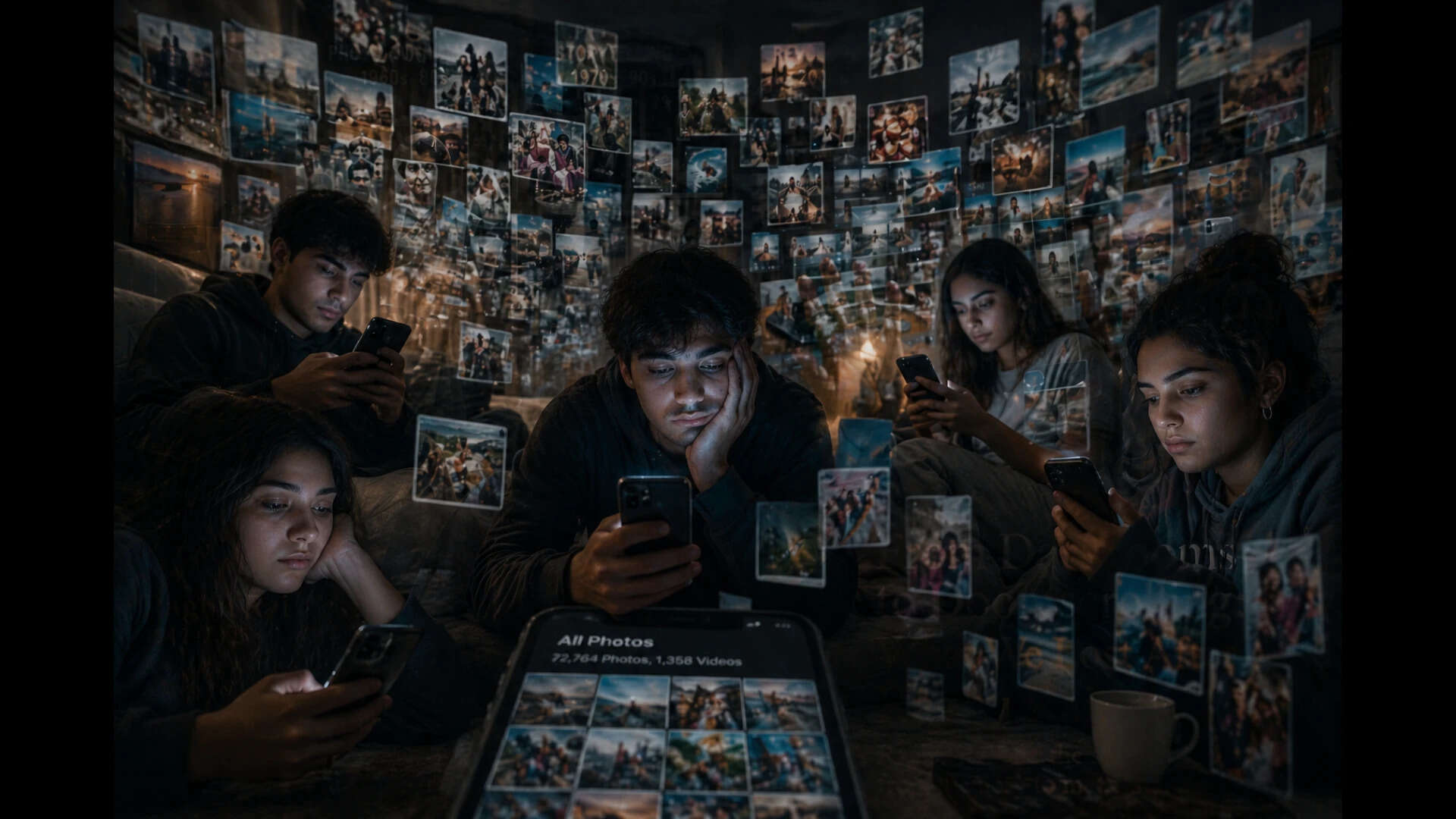
Estimates suggest humanity takes trillions of photos each year. The “endless scroll” on Instagram, Facebook, or X (formerly Twitter) means images appear instantly, get a quick like or swipe, and then disappear into the digital flow. What has changed are the values of the pictures. We may produce far more pictures than ever before, but we hardly look back at them.
This creates a strange paradox. We document nearly every moment of our lives, yet we often have no memory of the actual experience. The camera roll turns into a graveyard of forgotten files. The real tragedy is not just the excess of images and its depreciating return on our memory or hearts; it’s the fact that we never really return to them – unless Google reminds us. A birthday here, a gettogether there, a travel photo somewhere else…
What science tells us about clicking and remembering
One of the most influential research areas of cognitive psychologist Linda Henkel, of Fairfield University, US, is her exploration of the impact of photography on memory.
In her studies, participants toured an art museum. Some simply observed the objects. Others photographed them. The next day, those who took photos remembered fewer objects, fewer details, and fewer locations than those who only looked. She named this the “photo-taking-impairment effect.
”Why? When we snap a picture, the brain often “offloads” the work of remembering to the device. We pay less full attention in the moment because we assume the camera will capture it for us.
This is called cognitive offloading. As a result, we disengage from the real experience happening right in front of us.There is a hopeful side, however. When participants were asked to zoom in and focus on a specific detail of an object, the memory problem disappeared. In fact, their overall recall of the object improved. Choosing and framing a detail demands real attention and cognitive engagement. This perfectly echoes photographs of the past: the technical quality or resolution of a photo matters less than the quality of attention and presence behind it.
In everyday life, the flood of unorganized digital photos makes the problem worse. We rarely sit down to review, organize, or revisit our images. Without that return, memories stay shallow and fade quickly.
The addictive pull of the scroll
Social media platforms are cleverly designed to keep us engaged. The infinite scroll mimics slot machines. They give us variable rewards. We never know what interesting or shocking things will appear next. This triggers our dopamine center of the brain – the brain chemical linked to anticipation and pleasure, pushing us to swipe endlessly in search of novelty rather than depth.
Then comes “doomscrolling”. This takes the concept further.
We consume a nonstop stream of bad news, from wars, disasters, political fights and climate crises. Our ancient negativity bias (which once helped ancestors survive by spotting dangers quickly) now traps us in chronic stress, anxiety, exhaustion, and feelings of helplessness. Studies show heavy doomscrolling is linked to poorer sleep, higher anxiety and depression symptoms, and a foggy, restless mind.
The world begins to feel like nothing but an impending doom.
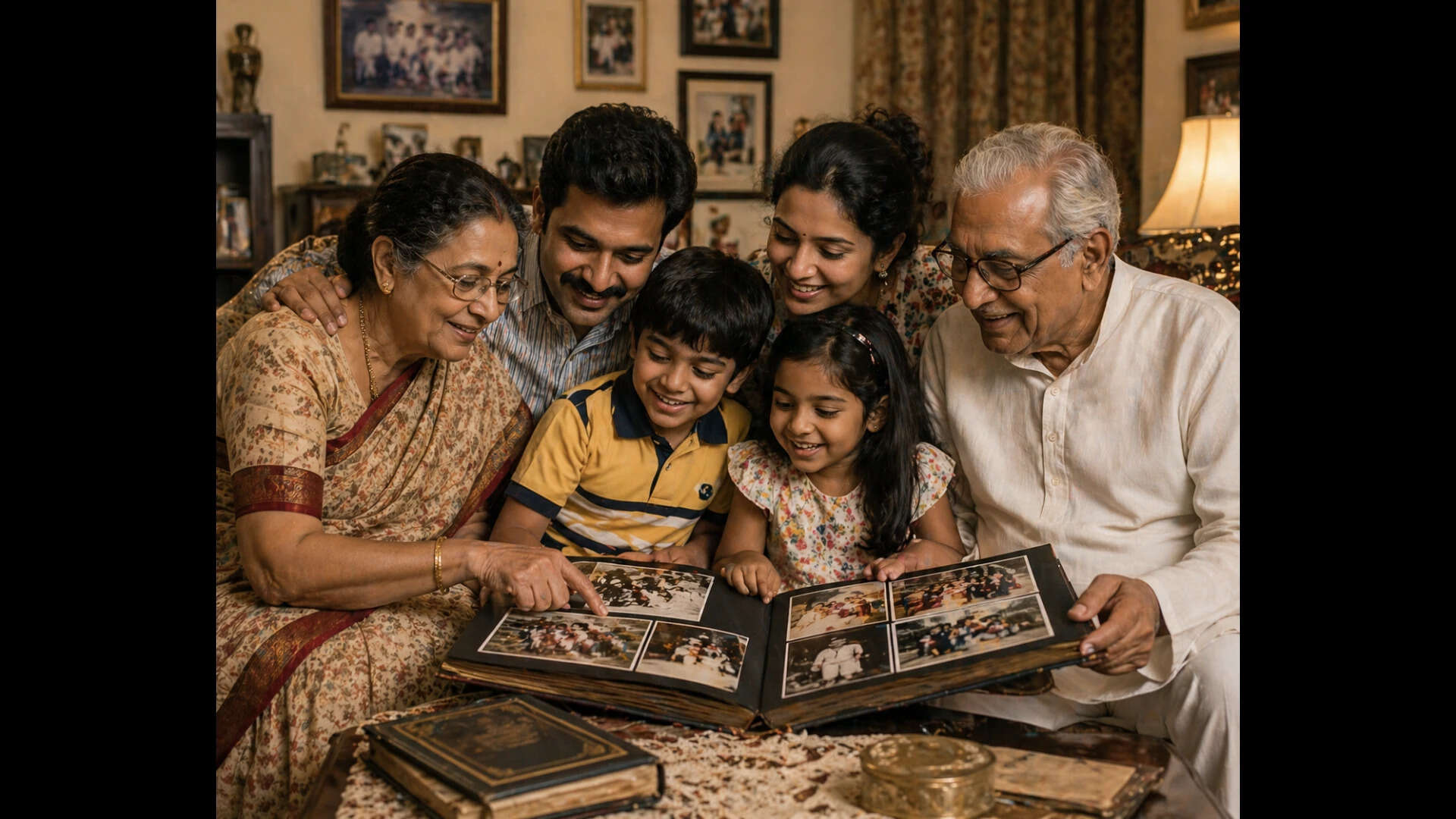
Once upon a time, we could feel photographs. We could touch them. Since photos were scarce, people returned to them again and again. It was a ritual during summer vacations, when all generations would gather at ancestral homes, to flip through family albums, and see something completely new. Family members would laugh, cry and hold the picture in hand to remember the moment captured years ago. These photographs gained emotional depth and became part of family stories and collective memory for generations.
In this environment, photos often stop being tools for understanding. They become emotional shields. We view suffering from a safe distance, consuming it as content or distraction without truly feeling it or acting on it. The image turns into quick entertainment rather than a call to deeper awareness. Our response to photos is an outwardly, escapist understanding, rather than an inward linear thought that is often where critical thinking begins.
Add that to our short attention spans, and we are just zombies moving from image to image, putting tremendous pressure on our minds and health, while completely incapable—like our previous generations—to learn, absorb, grow and become resilient.
From outward witness to inward performance
Rai pointed his camera outward at the world. At its chaos, stillness, suffering, and beauty. Today, the most common photograph is the selfie. The lens turned inward. The world has become a mere backdrop for the self.
We pose, apply filters, and carefully curate to present an idealized version of ourselves, seeking likes, comments, and social validation.This is not to say that selfies and citizen videos cannot be powerful. During protests or crises, they provide instant visual proof that can expose injustice and challenge official narratives. Crowdsourced footage has brought hidden abuses to light in the last decade. Yet they also create pressure to perform.
We tend to edit out the messy, boring, painful, or ambiguous parts of life. Reality gets smoothed and optimized for shareability.
The photographer is no longer an invisible witness but the central star of the show.
The sanitization of reality through filters and AI
Modern tools also sharpen this shift. AI-powered beauty filters smooth skin, enlarged eyes, slim jaws, and “adjust” features toward narrow beauty standards. These changes tap into the “attractiveness halo effect”– our unconscious tendency to assume attractive people are also smarter, kinder, or more trustworthy.
Filters manipulate perceptions without us realizing it. They can worsen body image issues, especially among young people, and reinforce gender stereotypes.Rai’s photographs were often grainy, imperfect, and raw. That very imperfection gave them the honest texture of real life. The dust on streets, the lines on weathered faces, the contradictions of Indian society. Today’s drive for polished perfection pushes truth aside in favour of aesthetic comfort.
Reality gets sanitized, and something vital—its raw humanity—gets lost.
Insights from Sontag and Barthes
Susan Sontag, in her 1977 book, On Photography, warned that photographs act like shadows of truth. They freeze one moment but remove much of the surrounding context. In a consumer-driven society, she argued, images can provide endless entertainment while numbing us to deeper inequalities of class, race, and power. When images flood us constantly, suffering risks becoming just another spectacle.French essayist and philosopher, Roland Barthes, explained in his book, Camera Lucida (1980): We experience photos in two ways. “Studium” is the general interest or the cultural or historical meaning of an image. And “Punctum” is the personal hit, a small, unexpected detail that moves us deeply. For Barthes, every photograph carries a quiet truth: “this really happened”. It is proof of a moment that once existed.
But today, in a flood of polished, algorithm-driven images, that emotional “punctum” is fading.
When everything is designed to be instantly appealing and scroll-friendly, fewer images truly stop us or stay with us.Old photographs were tangible objects. They yellowed, creased, and aged alongside our own lives, creating an intimate dialogue with memory. Digital files promise perfect permanence but are surprisingly fragile.
They depend on software, operating systems, cloud services, and file formats that can quickly become obsolete. Forgotten passwords, broken links (“link rot”), and lost context mean we can lose stories even when the files remain.We store more data than ever, yet we often retain less meaningful, narrative memory. Collective memory thrives best through shared, tangible things and repeated storytelling. Digital fragmentation can turn history into scattered bits without a clear thread.
A reason why we are all becoming archivists of moments, but not storytellers of meaning.
Reclaiming the quiet power of seeing
Photography at its best is a practice of attentiveness, humility, ethical care, and heartfelt presence. It is a clear path to develop empathy, and remain humble – qualities we lack today. Rai’s images endure not because they were technically perfect or abundant, but because they were made with patience and heart. They invite us to slow down and look deeply rather than glance casually.
In our time, when everything is saved in pixels, very little feels precious.
The soul of photography does not live in high resolution or endless quantity. It lives in the quality of attention we bring and the presence we offer. Recently, Dr. Henkel was called upon as an expert for comment in an international study that examined how printed photos and iPhone or electronic photos affect memory. Here’s what she said: “Despite the widespread changes in technology, the main function of taking photos remains unchanged: people take photos with the intention of using those photos to remember later.
However, photos can better do their job as memory aids when we look at them rather than just amass them on our phones. If we take photos merely as trophies to show off on social media, focusing our attention on how many comments and likes we get, we are less likely to remember details about our experiences.”She added: “If we want to keep those memories alive, we need to participate in the cognitive processes that benefit memory. We need to engage with the photos, spend time organizing them, culling them to find the best shots to display in our homes, printing them out to add to family albums. This can strengthen the accessibility and vividness of our memories, and as a result, means we are far more likely to remember the events later down the line.
”The real question is: do we make time to sit and look at our photographs, or do we just keep taking them?

