
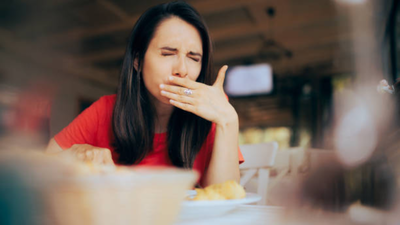
So here’s something that might mess with your dinner plans: some of the vegetables sitting in your crisper drawer can genuinely poison you in a real, biochemical way that’s been documented for centuries.
Let’s start with something you’ve definitely eaten: cassava root. It’s a staple carbohydrate in parts of Africa, South America, and Asia, feeding roughly 800 million people globally. But here’s the catch, raw cassava contains cyanogenic glycosides, which your body converts into hydrogen cyanide when you digest them. Yes, actual cyanide. The lethal dose for humans hovers around 0.5 to 3.5 milligrams per kilogram of body weight, and improperly prepared cassava can contain enough to cause serious harm.
The fix is ridiculously simple though: soak, boil, or ferment the root properly. Do that, and the toxins break down. Ignore it, and you’re looking at a condition called konzo, a neurological disorder that causes permanent paralysis. It’s been documented in Congo, Mozambique, and Tanzania, typically popping up during famines when people skip the preparation steps out of desperation.Then there’s kidney beans, which sit in most pantries without raising an eyebrow.
Raw or undercooked kidney beans contain phytohaemagglutinin, a protein that basically tells your intestines to stop working properly. People get violently ill—nausea, vomiting, diarrhea—within hours. Boiling beans for at least ten minutes completely destroys the toxin. Slow cookers, though? They’re the villain here. They don’t get hot enough, fast enough.
If you’re the kind of person who dumps dry beans into a slow cooker with some broth and walks away, you’re playing with fire.Rhubarb is another weird one because only part of it is actually dangerous. The stalks are fine—tart and delicious in pies. But the leaves? They’re packed with oxalic acid at levels that would make a chemistry teacher wince. Eating a huge amount of rhubarb leaves could theoretically give you kidney stones or, in extreme cases, cause kidney failure. The leaves also contain anthraquinones, which mess with your digestive system.
Most people know not to eat rhubarb leaves anyway because they taste awful, but there are always a few who figure they’re wasting the plant and throw the whole thing in a blender.Potato is where things get genuinely interesting because it’s such a normal food. Potatoes produce solanine, a naturally occurring alkaloid poison, especially when they’re exposed to light and turn green. That green color is actually the plant saying “don’t eat me”—it’s a warning system that evolved over thousands of years.
A normal potato has minimal solanine, but a green potato or one that’s been stored poorly can accumulate dangerous levels.
The symptoms are unpleasant: burning mouth, gastrointestinal distress, headaches, and neurological problems in severe cases. The amount of green potato that could kill you isn’t huge—maybe two pounds of heavily green potatoes for an average adult—but it’s possible. Just peel them well or, honestly, don’t eat the green parts.Bitter almonds are technically not a vegetable, but raw lima beans are, and they contain cyanogenic compounds similar to cassava. Properly cooked? No problem. Raw? Potentially serious. This is one of those things that varies geographically because different varieties have different toxin levels. Some wild lima beans from certain regions have high enough concentrations that eating even a moderate amount raw could cause illness.Elderberries come up in the poisoning conversation too because the leaves, stems, roots, and unripe berries all contain cyanogenic glycosides. Only the fully ripe berries are safe to eat, and even then, they’re best cooked. People who make elderberry syrup or tea need to be careful about which part of the plant they’re using. Raw or improperly prepared elderberry is genuinely dangerous.The pattern here is pretty clear: traditional cooking methods exist for reasons.
Your grandmother wasn’t boiling beans for hours because she enjoyed wasting time. She was breaking down compounds that could hurt people. When cultures developed around a particular food, the preparation methods that came with it were safety innovations, even if nobody thought of them that way at the time.The takeaway isn’t that you should be paranoid about your vegetables. It’s more that you should know what you’re eating and where it came from. Ask questions if something looks off. Follow recipes. And yeah, maybe keep your potatoes somewhere dark.