
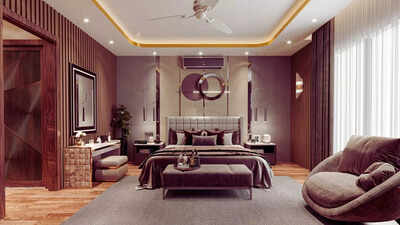
How your home looks depends a lot on how you design it. A home doesn’t need a large carpet area to look spacious. It is dependent on a number of factors, like the colour of walls, the size of furniture, the way things are arranged against the wall, the height of the ceiling, the utilization of wall space, etc.
Clutter is another element that negatively impacts the sense of space in homes. Interior designer Harshita Agarwal shares design tips on how taking care of a few things can make a home look larger and more spacious. 1. Use fewer, but stronger elementsPrioritize fewer, more significant elements. Instead of cluttering a room with a hodgepodge of accessories, décor, and furniture sourced from various locations, choose a handful of standout items.
This strategy fosters a cleaner, more unified aesthetic, and it also makes the space feel more spacious, inviting, and intentionally curated. Each element can breathe and showcase its unique character with a restrained palette of materials and forms.
When each element serves a purpose, the whole thing becomes less busy, but much more powerful. It’s about crafting pauses in the design, not cramming every inch. This approach lets texture, scale, and skill shine, undistracted by unnecessary clutter.
2. Celebrate with the existing ceiling height Playing with the current ceiling can occasionally drastically alter the space. Not every ceiling needs elaborate adjustments. It’s essential to consider the room’s height and make decisions based on that. Often, a more genuine and spacious space comes from valuing the existing architectural space. The sense of openness can be amplified by simple adjustments, such as accentuating structural beams or keeping the lines uncluttered, instead of overwhelming the room with elaborate ceiling designs.
The goal is for the ceiling to complement the overall design, contributing to the room’s story, rather than being an afterthought.
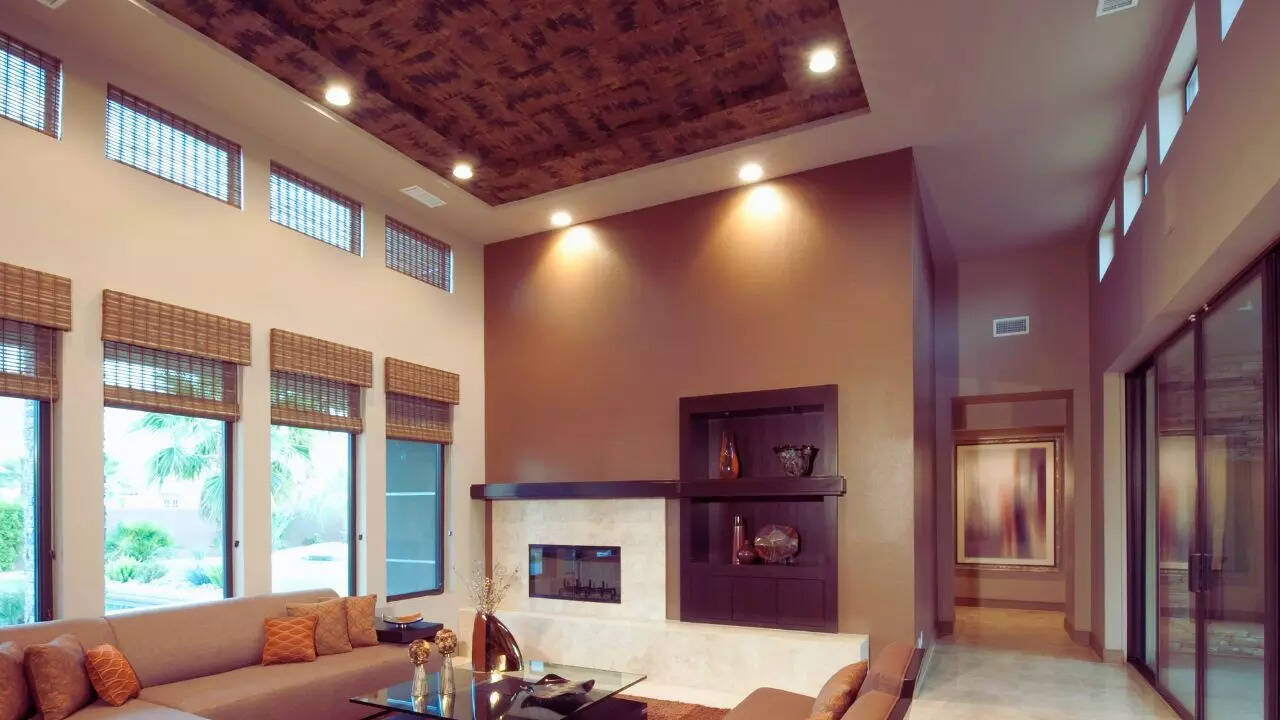
3. Float furniture away from walls Every now and then, shifting furniture slightly away from the walls can instantly transform a room, providing it with a renewed atmosphere. Instead of positioning sofas and consoles directly against the wall, leaving a small gap can create a more airy and purposefully designed appearance.
This strategy aids in establishing distinct areas within a room, particularly in open-plan designs, where subtle spatial separation is essential.
Arranging furniture away from the walls enhances flow and fosters a more engaging layout, promoting movement throughout the area. It adds a sense of depth and layering, giving the room a carefully curated feel instead of a constrained or boundary-focused one. 4. Keep sightlines clean It matters how your eyes go through a space. Keep tall shelves and bulky furniture away from key sightlines.
When views are unobstructed, the room feels bigger and more cohesive. A thoughtful arrangement ensures that windows, art, and unique architectural elements remain in sight. Clear sightlines also make a room feel more spacious and let in more natural light, which lifts the spirits. It’s a simple but effective technique for creating a more open, integrated, and pleasing interior. 5. Vertical emphasis It’s often less about adding more stuff and more about how you guide the eye. Think full-height curtains, vertical panels, or even tall light fixtures; these can gently pull your gaze upward, giving the illusion of height without any actual construction work. Vertical lines bring a sense of proportion and grace, particularly in rooms where space is at a premium. By leading the eye up, you change how we perceive the size of the room, creating a more harmonious look.
These techniques don’t have to be extravagant; subtle touches can add a quiet elegance, enhancing the overall feel of the space.




