
AA
Text Size
- Small
- Medium
- Large
1/8
How to grow ketaki flower in your home garden
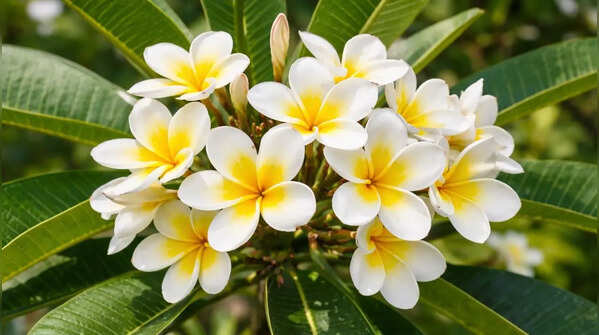
Ketaki flowers, which are also known as kewda flowers, are very popular and are used for many different purposes. The flowers have a very sweet smell and are used in many different ways. Not only are ketaki flowers used for making perfumes and other scented items, but they can also be used to add extra flavour to food. Despite the unusual appearance of ketaki flowers, they are not as hard to cultivate as many people believe. Ketaki flowers are tropical flowers that can be grown very well in backyards and on balconies too. If you are looking for a new plant that is useful and beautiful, then ketaki flowers are one of the best options for you.PC: AI-Generated
2/8
Know the plant and pick the right spot
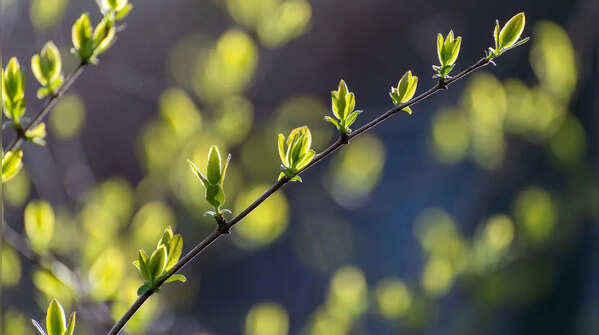
Ketaki is a member of the pandanus family and thrives in warm and humid conditions. It has long and pointed leaves and fragrant flowers. The flowers have a scent in male ketaki.
It should be planted in a spot that receives partial to full sun and has adequate space to grow. It should not be grown in a shaded area because it requires sunlight to grow and produce flowers.
PC: Canva
3/8
Choose a pot and prepare the soil
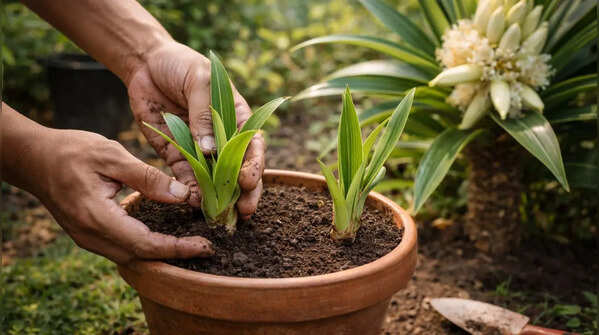
Ketaki can be grown in pots as well as in ground soil, but for home gardening, a large pot with drainage holes is recommended. The plant has strong roots, so space is necessary. For a potting soil mix, use garden soil, sand, and compost. Do not use clay soil because it retains water and can damage roots.
PC: AI-Generated
4/8
Plant using offsets
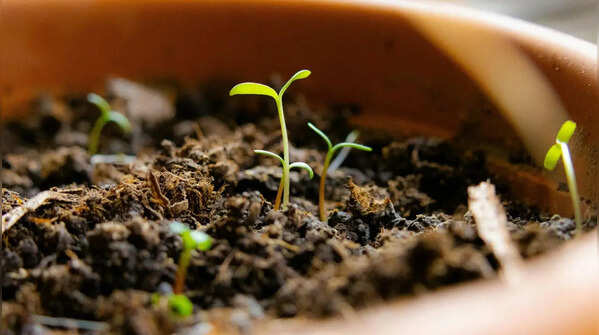
Offsets are small shoots that grow at the base of the plant. They are the easiest way to grow ketaki. Offsets should be carefully separated and planted in new soil. They should be watered lightly and kept in partial shade for a few days. When the plant has taken root, it should be exposed to sunlight for better growth.PC: Canva

5/8
Water and maintain the climate
Watering should be regular but not waterlogging. The soil should be kept moist but not soggy. Also, the top layer should dry out before rewatering. Watering should be reduced in cooler months. Ketaki is a tropical plant, so it needs to be kept warm and humid. In dry weather, misting is required, and it should be kept away from cold temperatures.PC: Canva
6/8
Add nutrients for healthy growth
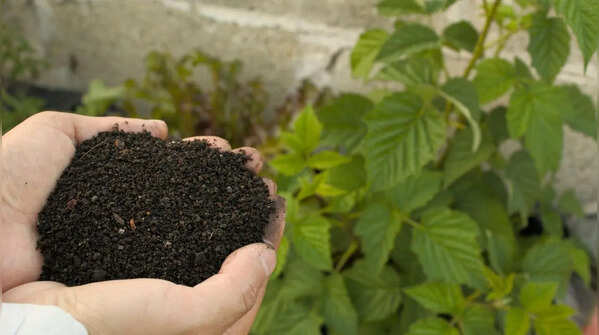
Use organic compost or mild fertiliser every few weeks during the growing season. This helps in proper leaf and flower development. Avoid overusing chemical fertilisers, as they can harm the plant. Natural options improve soil quality and support steady, long-term growth.
PC: Canva

7/8
Protect from pests and diseases
Ketaki may also attract pests such as aphids and scale insects. To avoid this, neem oil or a mild natural solution needs to be sprayed on the plant at regular intervals. Overwatering should be avoided, or it may cause root rot. The plant needs to be kept clean, and dead leaves removed.
PC: Canva
8/8
Fertiliser and common problems
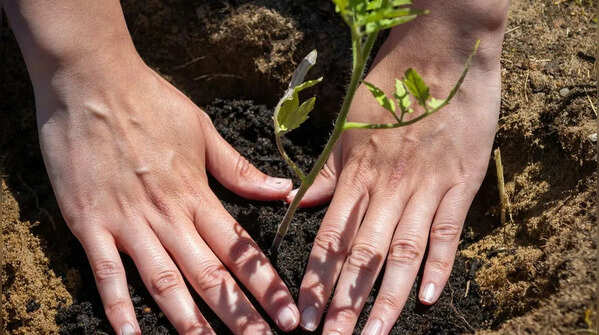
It should be fertilised using organic compost or mild fertiliser every few weeks. Excessive chemicals should be avoided. The main problem is root rot due to excessive watering. It should be drained properly. Insects like aphids may also develop. They can be controlled by neem oil. It will keep the plant in a healthy state.
PC: Canva
Follow Us On Social Media