
- News
- Health News
- You’re drinking water, but is your body actually using it? Doctor explains hidden hydration mistakes
Aadya Jha / TIMESOFINDIA.COM / Mar 28, 2026, 9:00 IST
AA
Text Size
- Small
- Medium
- Large

1/9
Hydration: Are you doing it right?
There is a assumption most people live with: drink enough water and hydration will take care of itself. But the body is not a simple storage tank. It is a dynamic system, constantly balancing fluids, minerals, and cellular needs. That is why some people keep refilling their bottles, yet still feel tired, foggy, or even dehydrated.
Doctors now say the real issue is not just how much water goes in, but how well the body holds on to it and uses it. And that depends on a mix of timing, nutrition, and daily habits.

2/9
Hydration is not just about water
Water alone cannot do the job. The body needs electrolytes, especially sodium and potassium, to move water into cells and keep it there.
Dr Subhasish Mazumder, Senior Director – Gastroenterology, Max Super Speciality Hospital, Vaishali, explains it simply, “Most people think that just drinking more water will keep them hydrated. However, hydration is not just about quantity—it is about how effectively the body absorbs and uses fluids.”
This is why someone who drinks litres of plain water but eats poorly may still struggle with hydration. Without minerals, much of that water passes through the system quickly.
A report by the Indian Council of Medical Research (ICMR) highlights the role of balanced nutrition in hydration, especially the importance of electrolytes in maintaining fluid balance.
3/9
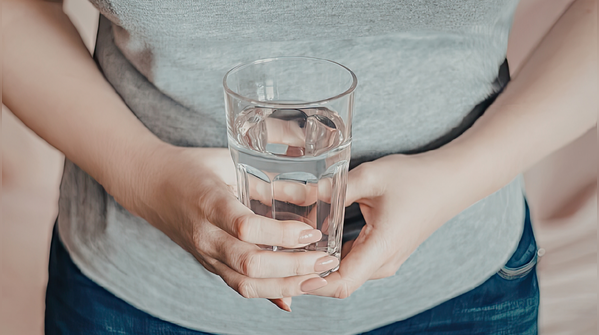
Why gulping water all at once does not help
There is a common habit of drinking large amounts of water in one go, especially after long gaps. It feels satisfying, but it is not efficient.
The body absorbs water in stages. When too much is consumed quickly, the kidneys work to remove the excess. The result: frequent urination and little real hydration.
Dr Mazumder puts it clearly, “Drinking a lot of water all at once is not the best way to do it. Your body can only use a water at a time and any extra water is gone quickly so it does not help much.”
Spacing water intake through the day allows better absorption and retention.

4/9
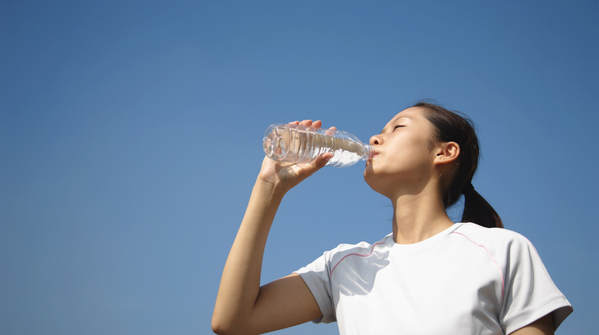
The missing piece: minerals in your diet
Water needs support. Foods rich in potassium, magnesium, and natural salts help maintain fluid balance inside cells.
Fruits like bananas and oranges, vegetables like spinach and cucumber, and even simple home meals can make a difference.
“Water alone is not enough. You also need minerals like sodium and potassium to help your body keep the amount of water inside your cells,” says Dr Mazumder.
A study by the World Health Organization (WHO) on hydration and nutrition also points out that diets low in fruits and vegetables can reduce effective hydration.
So hydration begins on the plate, not just in the bottle.
5/9
Everyday drinks that quietly dehydrate you
Many people assume that all fluids count equally. That is not always true.
Caffeine and alcohol act as mild diuretics. They increase urine output and can lead to fluid loss when consumed in excess.
“Drinks like coffee or soda help with hydration. They do not really help your body keep water,” Dr Mazumder notes.
This does not mean cutting them out completely. It means being aware. A cup of coffee may not harm, but replacing water with caffeinated drinks through the day can create a slow hydration deficit.

6/9
Your lifestyle may be working against you
Hydration is also shaped by routine. Long hours in air-conditioned rooms, lack of physical movement, and processed diets all play a role.
Highly salty and processed foods can disturb the body’s fluid balance. At the same time, skipping fresh foods reduces natural water intake.
“If you do not eat fruits and vegetables which have water and minerals, you might not get enough hydration,” explains Dr Mazumder.
Even stress matters. It can affect hormones that regulate fluid balance, making the body less efficient at retaining water.

7/9
Thirst is a late signal, not an early one
Most people wait to feel thirsty before drinking water. But by then, the body has already lost some fluid.
“When you feel thirsty your body might already be slightly dehydrated,” says Dr Mazumder.
Early signs often go unnoticed, fatigue, headaches, poor concentration. These are not always linked to hydration, but they often should be.
So hydration is less about reacting to thirst and more about staying ahead of it.

8/9
What actually works: small, consistent changes
Hydration improves when habits change, not just intake.
Drink water in small amounts through the day. Pair it with balanced meals. Include fruits and vegetables that naturally hold water. Watch caffeine and alcohol. And pay attention to how the body feels, not just how much is consumed.
Dr Mazumder sums it up well, “The main idea is simple: drinking water should be a part of your life, and you should also eat well.”
It sounds basic, but it works because it respects how the body actually functions.

9/9
A thought to carry forward
The writer Leonardo da Vinci once said, “Water is the driving force of all nature.” The same holds true for the human body. But even nature needs balance. Too much or too little, without the right support, rarely works.
Medical experts consulted
This article includes expert inputs shared with TOI Health by:
Dr Subhasish Mazumder, Senior Director – Gastroenterology, Max Super Speciality Hospital, Vaishali.
Inputs were used to explain why simply drinking water may not be enough for proper hydration, the common mistakes that prevent the body from effectively using it, and why consulting a doctor can help address underlying issues.
Follow Us On Social Media