
3 min readNew DelhiMar 31, 2026 08:00 AM IST
Krystle D’Souza, recently seen in Dhurandhar, once opened up about her eating habits. “I don’t eat breakfast. I eat lunch, and it’s heavy. Usually, what’s made at home is vegetables, one roti, and some curd. If I am out or on the go, I pick up a salad. That’s what I have for lunch,” she said.
Adding, she told Pinkvilla in 2018, “Dinner is king-size. I cannot even tell you. I go out every night for dinner, so either Japanese or Asian food. Then I starve for 15 hours and then start again.”
To verify whether it’s a good routine to follow, we turned to Dr Amreen Sheikh, chief dietitian at KIMS Hospitals, Thane, who affirmed that for some people, structured fasting can work if it fits their lifestyle and energy needs. “A 12 to 15 hour fasting window gives the body time to rest from constant digestion, which may support metabolism in certain cases. However, it does not suit everyone. Those with demanding schedules, blood sugar changes, or high activity levels may feel low on energy or have cravings later in the day. The key is how the body responds, not just when meals are eaten,” said Sheikh.
Is eating a heavy, ‘king-size’ dinner a good idea?
Sheikh mentioned that having a very large dinner can sometimes put extra pressure on the digestive system, especially since the body naturally slows down at night. “This may lead to bloating, discomfort, or trouble sleeping. When most calories are consumed late in the day, the body may not use them as efficiently as with earlier meals. A balanced dinner that is filling but not too much tends to work better for most people.”
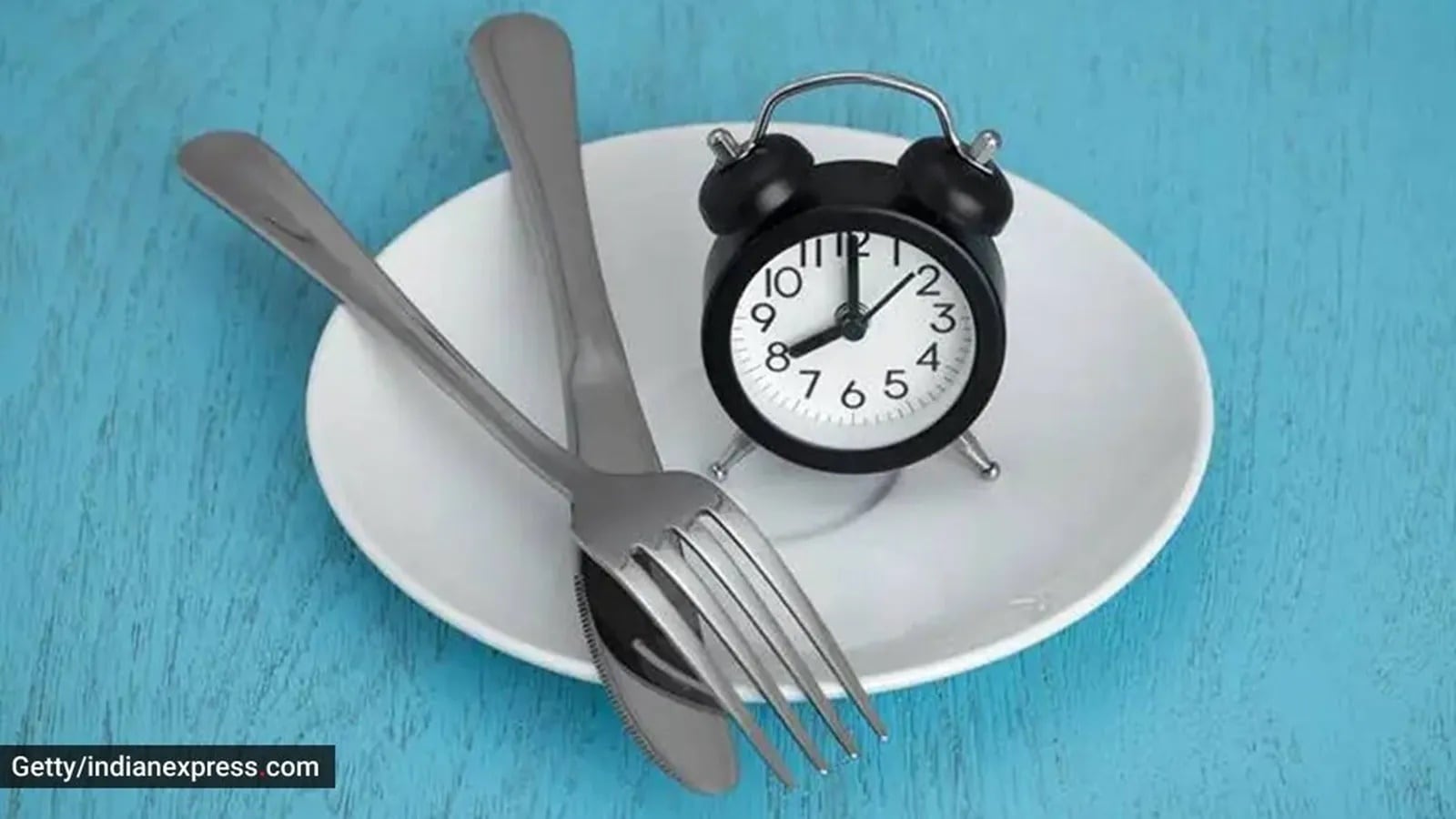 Here’s what you should consider (Photo: Getty Images/Thinkstock)
Can this pattern help with weight management?
According to Sheikh, intermittent fasting may help some people control calorie intake, but results depend on the overall quality of food and portion size. “If the eating window includes large, heavy meals, it can cancel out the benefits of fasting. Sustainable weight management usually comes from consistency, balanced nutrition, and portion awareness instead of extreme patterns.”
What is a more practical way to follow such a routine?
Story continues below this ad
Instead of skipping meals entirely, some people may benefit from a lighter breakfast and well-balanced lunches and dinners. “Including protein, fibre, and healthy fats in meals helps maintain steady energy levels. The focus should be on paying attention to hunger cues and keeping the routine flexible rather than strict.”
DISCLAIMER: This article is based on information from the public domain and/or the experts we spoke to. Always consult your health practitioner before starting any routine.