
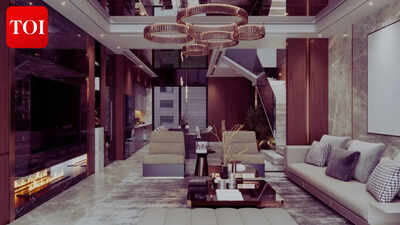
Ask most Indian homeowners what they want from their home and the answers tend to sound similar: light, space, calm, a place that works for the family and somehow just feels right. That last phrase carries more weight than it appears to.
It is not only about aesthetics; it is about a desire for the home to be in harmony with how the family lives, what they believe, and what they bring with them from the homes they grew up in. For many, Vastu is the closest language they have for that intention, and the brief it generates is often more specific, and more structural, than most people outside the industry assume. Gita Ramanan, Co-Founder & CEO, DesignCafe in an exclusively shares with us how modern homes are integrating traditional thought for a holistic home set up.Where Design and Belief Find Common GroundThe Vastu brief rarely stops at furniture orientation. We regularly work with homeowners who have decided, before a single finish is selected, that the kitchen must sit in the south-east zone, the direction associated in Vastu with the fire element, and are willing to relocate plumbing and reconfigure service lines to make that happen. The prayer space belongs in the north-east, which in a typical apartment is often also the zone with the best light and the most open sightlines.
We have seen prayer units move between rooms across multiple layout iterations, the placement resolved only when both the directional requirement and the spatial logic of the room are satisfied together.The main entrance carries perhaps the most weight in any Vastu-sensitive home. When a developer’s fixed door does not face the preferred direction, a two-door solution has become one of the more elegant responses we have arrived at: a decorative screen or grill door introduced at the building-facing threshold, while the inner door after the foyer is treated as the true entrance, oriented as the family requires.
It adds a designed entry sequence, a layer of privacy, and resolves the directional concern without touching the structure.
That kind of lateral thinking, where the design solution genuinely serves both the belief and the brief, is what Vastu-aligned work looks like when it is done well.
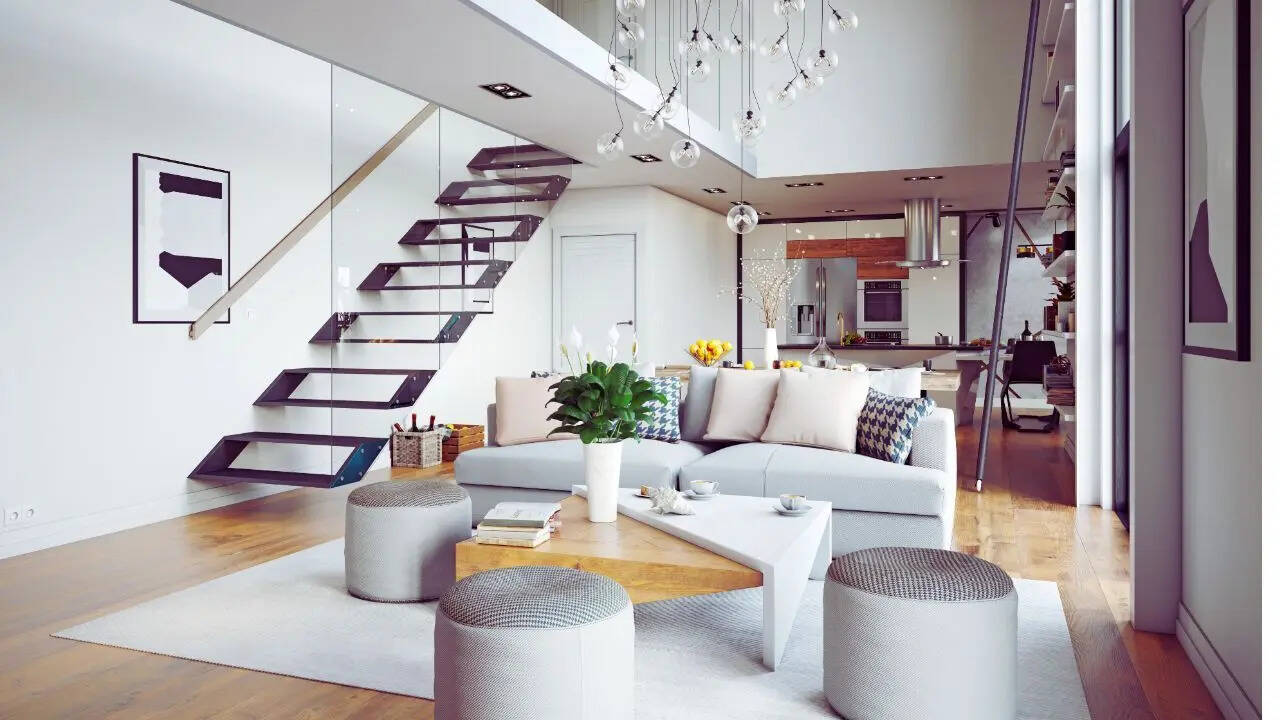
Bathroom placement is another area where civil modifications are more common than is publicly acknowledged. The north-east zone, which Vastu reserves for openness and positive energy, is considered inauspicious for wet areas, and we have seen families reconfigure bathroom walls and drainage points to move or minimize that footprint.
These are not minor decisions. They carry cost, coordination and conviction, and they reflect how seriously the spatial framework is taken.Multipurpose furniture sits at the intersection of all of this and is, in many ways, the most demanding design challenge in a Vastu-sensitive urban home. When a room must function as a study and a guest bedroom while keeping the sleeping orientation south-facing, the furniture brief becomes genuinely complex.
The bed that folds away, the desk that reads as a console, the storage unit that defines a zone without becoming a wall: these are not just space-saving solutions.
They are often the only way to hold a family’s spatial beliefs, functional requirements and budget simultaneously within a constrained floor plan, and designing them well requires treating all three as equally non-negotiable.Interpretation, Not ComplianceWhat I have observed over two decades of working with homeowners across India is that the conversation about Vastu is maturing.
The question is no longer only “is my home Vastu-compliant?” but is also “how do I make it feel balanced, considered and like mine?” The homeowners asking that question are doctors, software professionals, entrepreneurs and young couples who understand they are buying into floor plates designed by developers, not layouts built around their preferences.
What they want is a designer who will take the intention seriously and find the most intelligent path between belief, aesthetics and what the structure can actually accommodate.
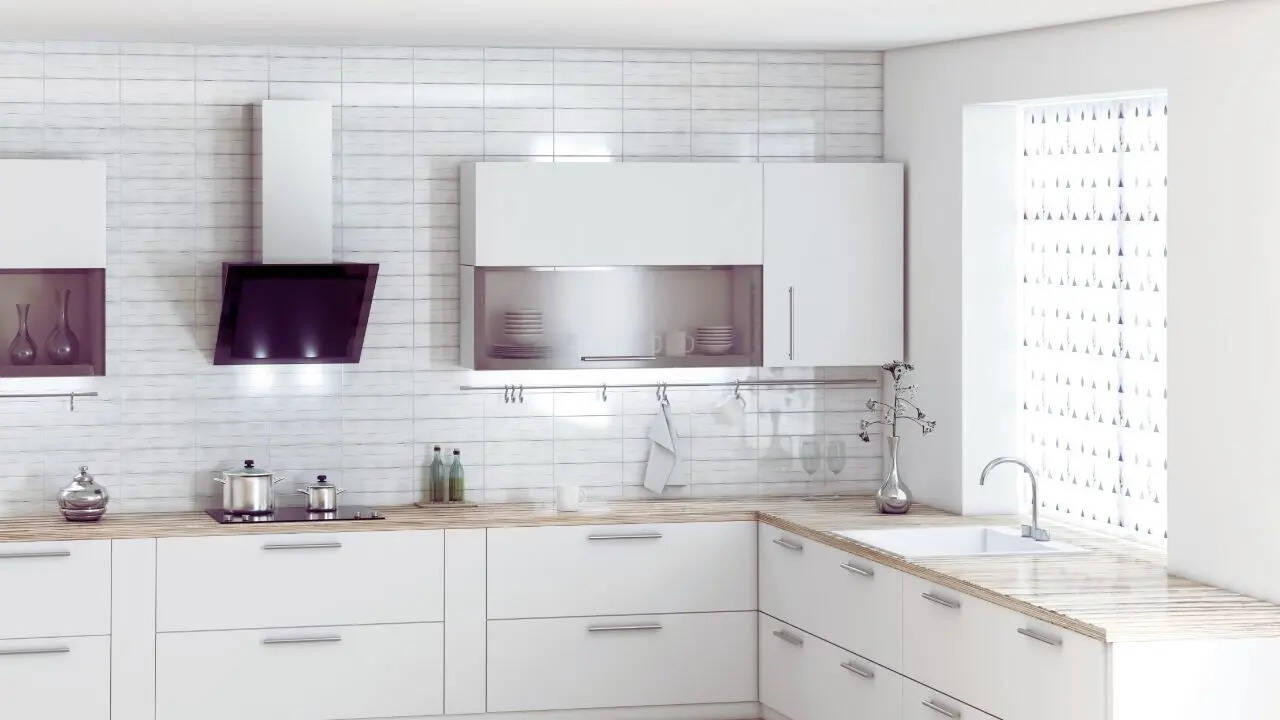
The homes that feel most resolved are not the ones that have checked every Vastu rule but the ones where the principles have been interpreted with specificity to how that family lives. A clutter-free entrance, a sleeping orientation away from direct north, a kitchen that catches morning light, a prayer corner that is genuinely restful rather than tucked away apologetically: each of these can be addressed thoughtfully without demolition or aesthetic compromise, but only if the designer is willing to treat them as real constraints rather than preferences to be noted and set aside.The Apartment RealityIt is worth saying plainly that no interior designer can guarantee Vastu compliance in a fixed structure. Columns appear in the north-east, kitchens face west, main doors open south. What design can do is make considered choices within what exists, compensate with material, light and colour where orientation cannot change, and create spaces that feel anchored and intentional even within constraints.
These are not workarounds.
They are the work itself. The homes that endure are rarely the ones that follow every rule. They are the ones built around the people inside them, their habits, their beliefs, and their particular, irreplaceable sense of what it means to be home.