
Your Soap Might Be Ruining Your Skin: Here’s Why People Are Switching
The bath and body aisle looks different from what it did five years ago. Shoppers are reaching past familiar plastic bottles and instead seeking out small-batch soaps wrapped in paper, bath bombs made with pronounceable ingredients and body care products that promise transparency alongside cleanliness.
Google Trends data show rising interest in terms like “handmade soap” and “essential oil soap”, including a sharp surge in early 2026, signalling a shift in how people perceive what touches their skin.This return to artisanal self-care is not just about aesthetics or trend-chasing. It reflects growing awareness of what’s in conventional products and what those ingredients do to both our bodies and the environment. In an interview with the Times of India, Patrick Martin, Owner of Frantoio Grove, a regenerative California olive farm that produces small-batch, handmade soaps alongside its premium olive oil, has watched this transformation firsthand.
Read on as we break down why handcrafted soap continues gaining ground and what consumers should know when making the switch.
Why consumers are turning away from mass-produced soaps
Walk into any drugstore and you will find rows of brightly coloured bottles promising softness, freshness and a dozen other benefits. However, flip those bottles around and the ingredient lists tell a different story, one filled with synthetic fragrances, sulfates and chemicals most people can no longer pronounce, let alone understand.
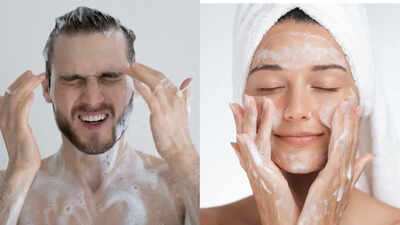
“People are reading labels now in ways they weren’t before,” Martin explained. “They’re asking questions about what parabens do, why their soap needs artificial color, and whether those mystery ‘fragrance’ ingredients might be causing their skin irritation.”Mass-produced soaps often rely on harsh detergents that strip natural oils from skin, leaving it dry and irritated. Synthetic fragrances can trigger allergic reactions or sensitivities, while preservatives extend shelf life at the potential cost of skin health.
Then there is the packaging: plastic pump bottles and squeeze tubes that add to landfill waste with every purchase.

Expert reveals why shoppers are choosing low-waste, skin-friendly soap formulations over synthetic options
Handcrafted soap offers a different approach. Small-batch makers typically use natural oils, plant-based ingredients, and essential oils for scent. Many of them wrap their bars in paper or offer package-free options, drastically reducing plastic waste. The ingredients are often ethically sourced, supporting sustainable farming practices rather than industrial agriculture.“When you make soap by hand, you control every ingredient,” said Martin. “There’s no need for harsh chemicals to speed up production or synthetic preservatives to sit on shelves for years. The soap is fresh, gentle and made with intention.”This transparency matters to today’s consumers. They want to know their bath products won’t harm their skin or contribute to environmental damage. Handcrafted soap delivers on both counts.
How to choose a better handcrafted soap
Making the switch from commercial to handcrafted soap is straightforward but knowing what to look for helps ensure you are getting a quality product that works for your skin. Start with the ingredient list. Look for natural oils like olive, coconut, shea butter, or jojoba. These provide moisture and nourishment without stripping skin. Essential oils offer natural fragrance (lavender for calming, peppermint for invigoration, citrus for brightness) without the irritation risk of synthetic scents.“Olive oil is particularly gentle,” Martin noted. “It’s rich in antioxidants and vitamins that benefit skin, which is why we incorporate our own regeneratively grown olive oil into our soaps. It creates a creamy lather that cleans without that tight, dry feeling.”
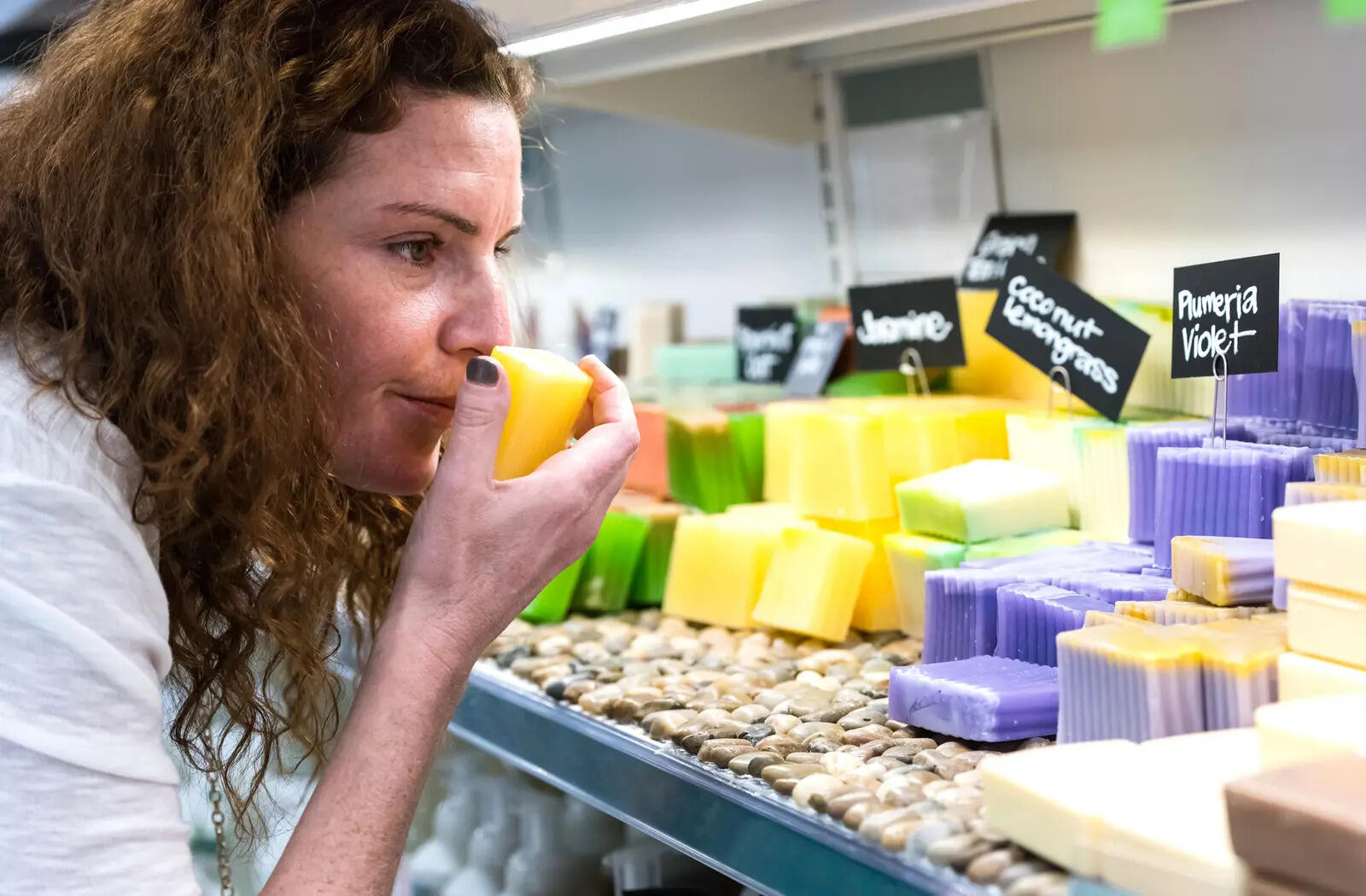
California soapmaker shares guidance on selecting quality handmade soap based on skin type and ingredients
Avoid soaps with sulfates (often listed as sodium lauryl sulfate or SLS), synthetic fragrances listed simply as “fragrance” or “parfum” and artificial colours.
These additives serve cosmetic or shelf-life purposes but offer no benefit to your skin and may actually harm it.Matching soap to your skin type improves results. Dry skin benefits from soaps rich in olive oil, avocado oil or shea butter, which provide extra moisture. Oily or acne-prone skin does well with soaps containing tea tree oil or activated charcoal, which help balance oil production without over-drying.
Sensitive skin needs the gentlest formulations. Unscented or lightly scented options with minimal ingredients work best.“Think about how your skin feels after washing,” advised Martin. “If it’s tight, red, or itchy, your soap is too harsh. Quality handcrafted soap should leave your skin feeling clean and comfortable, not stripped.”Also consider the maker’s practices. Do they source ingredients responsibly? Do they use sustainable packaging? Many small-batch soapmakers prioritise environmental stewardship alongside product quality, offering consumers a way to align their purchases with their values.The rise in handcrafted soap marks a thoughtful return to products that respect both skin and planet. As more people discover the difference natural ingredients and careful craftsmanship make, the appeal of mass-produced alternatives continues to fade.


