
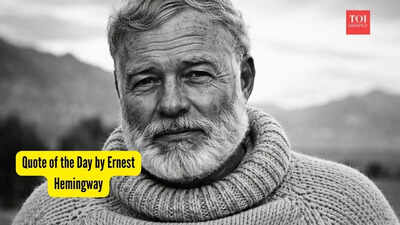
Ernest Hemingway was one of the most important writers of the 20th century. He wrote in a way that was different from everyone else, had an interesting life, and had a lasting impact on modern literature.
His life and work were very connected because the things he went through shaped the themes, characters, and tone of his writing.Oak Park is where Ernest Miller Hemingway was born on July 21, 1899. He grew up in a family that was middle class. His father was a doctor and his mother was a musician. Hemingway liked being outside when he was young. He liked fishing, hunting, and being outside, which later became important themes in his writing.
He chose not to go to college after high school and instead got a job as a reporter for The Kansas City Star. This experience had a big effect on how he wrote: it was clear, short, and to the point.Hemingway drove ambulances in Italy during World War I. He was hurt badly on the front lines, and the experience changed him in both body and mind. The war had a big effect on a lot of his later works, especially A Farewell to Arms, which is about love and loss during war.
Hemingway’s 1926 book The Sun Also Rises made him famous. It was about how unhappy the generation after the war was. A lot of his main characters are what critics call “Hemingway heroes,” which means they deal with problems with quiet strength and dignity.One reason Hemingway’s writing is so good is because of how he writes. People know about his “Iceberg Theory.” This method made his writing feel real and strong, which helped readers find their own deeper meanings.
Hemingway had a big impact on how people write today. His simple style has made it easier for many writers to write clearly and accurately. In his later years, Hemingway had a lot of trouble with physical injuries, poor health, and depression.
He had a lot of personal problems, even though he was well-known and successful. On July 2, 1961, he killed himself in Ketchum.Ernest Hemingway is still a very important author. His adventurous and hard life had a big effect on his work, and his unique style changed how people write now.
His honesty, bravery, and emotional depth sometimes hurt him, but they also made his work last and be strong. People remember him today not only as a great writer but also as a symbol of honesty in art and strength in people.Quote of the DayOne of the most memorable lines of Ernest Hemingway is, “The best people possess a feeling for beauty, the courage to take risks, the discipline to tell the truth, and the capacity for sacrifice.” Ironically, their virtues make them vulnerable; they are often wounded, sometimes destroyed. This quote shows a paradox about what makes people great: the things that make them great can also put them in danger.The statement basically says what it means to be “the best people.” People don’t judge these people based on their wealth, power, or status but on their inner virtues. A “feeling for beauty” means being sensitive to more than just art and nature; it also means being sensitive to goodness, meaning, and harmony in life.
People like this notice things that other people don’t. They care a lot about things that make life rich.
But this sensitivity can also make them more open to feeling things. They feel both joy and pain more strongly. “The courage to take risks” shows that they are willing to take a chance on something they believe in. They do things even when they’re scared, like going after a dream, standing up for justice, or going against the norm.
But risk, by definition, means that something could go wrong, be rejected, or be lost. Because they are brave, they often put themselves in danger.“The discipline to tell the truth” stresses being honest. These people care about being honest, even when it hurts or puts them in danger. Telling the truth can put you at odds with authority, hurt your relationships, or make you feel alone. Some people may choose convenience or silence, but they are willing to deal with the consequences of being honest.
This makes them morally strong, but it also makes them open to criticism, backlash, or being left out.
“The capacity for sacrifice” means being selfless. The best people are willing to give up their own comfort, success, or even safety for the sake of others or a bigger cause. Giving up something for someone else is often a good thing, but it can also make you tired, lose something, or be taken advantage of. Sometimes, their willingness to put others first means they don’t have as much protection for themselves.
The second part of the quote shows the irony: “their virtues make them weak.” This is the main point. In a perfect world, good traits would always lead to good things happening. But in real life, the world can be cruel, unfair, or uncaring. Being sensitive can break your heart. Being brave can lead to failure. Being honest can make people angry. Giving up something can mean losing something important to you.As a result, “they are often hurt, and sometimes killed.”
This doesn’t have to mean physical harm; it could also mean emotional, mental, or social harm. Throughout history and in our daily lives, there have been people who suffered because of their beliefs. For example, artists were misunderstood, truth-tellers were silenced, reformers were opposed, and kind people were taken advantage of.But the quote isn’t just negative. It also says that these weaknesses are a part of being great. People might choose to be less sensitive, less honest, or less brave to avoid getting hurt, but that would mean losing the very qualities that make them morally and humanly great. The quote really hits home: to live with honesty and depth, you have to be willing to take risks. The best people are not safe from pain; in fact, they may have to deal with more of it.
Their lives, though dangerous, have a kind of meaning and truth that safer, more protected lives may not. Their weakness is not their vulnerability; it is the cost of their virtue.