
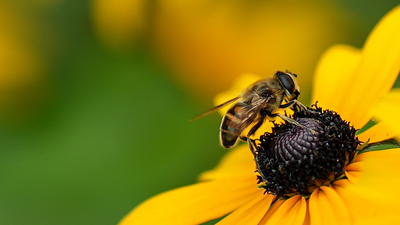
The idea may seem incredible but there it goes, the right to life and other legal guarantees have been granted to tiny insects that have long been overlooked in legal regulations. Nevertheless, Peru recently became the first state in the world to establish the legal status of an insect.
Under local regulations enacted in the Amazon, indigenous stingless bees now have the right to “exist, prosper, and be represented in court.” What does this imply? It is about a new perception of the natural environment by modern society and its attitude to nature amid growing climate problems.
Legal rights of insects: What Peru’s law actually says
According to Eco Jurisprudence Monitor, in towns such as Satipo and Nauta, located in Peru, stingless bees have been granted the status of being legal subjects, meaning that they are no longer considered just property.The laws provide the bees with basic rights to exist and flourish, and give them the right to an environmentally sustainable habitat free of pollution.What is most important about this law is that it allows people or organisations to file lawsuits in the name of these bees if their habitat is threatened.In other words, the filing of legal proceedings can be done in the interest of the insects, something that would only be seen as happening to humans or companies before.
It has been described by legal scholars as belonging to a general trend known as the “Rights of Nature.”
Why stingless bees matter for ecosystems and humans
The emphasis placed on these bees was anything but arbitrary. They are crucial for maintaining biodiversity, in particular in tropical ecosystems such as the Amazon.Scientists believe that they are responsible for pollinating almost 80% of all plant species in tropical ecosystems, including key crops such as cocoa beans, coffee, and avocado. In Peru, at least 175 different species of these bees have been identified to date, putting it among the most biodiverse regions regarding the subject matter.However, besides being important for agricultural purposes, stingless bees are also an important part of the knowledge systems of indigenous peoples. Scientists have already analysed the antibacterial properties of the honey of these bees, finding “hundreds of bioactive molecules.” “Stingless bees represent a milestone in humanity’s relations with nature, making visible these creatures as rights-bearing subjects,” commented Constanza Prieto from the Earth Law Center.
A Turning point in environmental law and animal rights
Historically, animal rights, where they existed at all, did not include any recognition of the fact that these animals were not considered property.The initiative by Peru takes this approach in an entirely new direction by giving legal status to insects, something that has never been done before.Whereas Ecuador and New Zealand have given rights to rivers and other ecosystems, such action taken towards the protection of insects would mean that the next stage has been reached.It means not only that the legal rights to nature have become an established practice but also that it paves the way for future actions of this kind around the globe.That these insects will be able to “sue” is a strange concept, but it means that we have finally stepped back from domination and started living alongside nature.

