
ETimes.in / Apr 4, 2026, 17:18 IST
AA
Text Size
- Small
- Medium
- Large
1/6
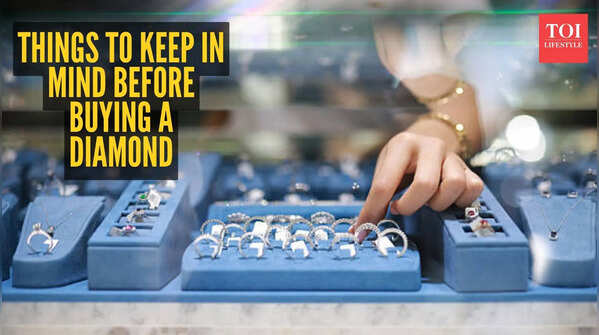
Know these things buying buying diamonds
Buying a diamond for the first time can feel like walking into a maze blindfolded. You’re staring at tiny, sparkling stones, and suddenly everyone around you is speaking a completely different language. It’s a big milestone – and yes, it can feel intimidating.
But you don’t need a gemology degree to get it right. You just need a clear plan. Before you spend your money, keep these essential rules in mind.
by TOI Lifestyle Desk
2/6
Get fluent in the 4 Cs
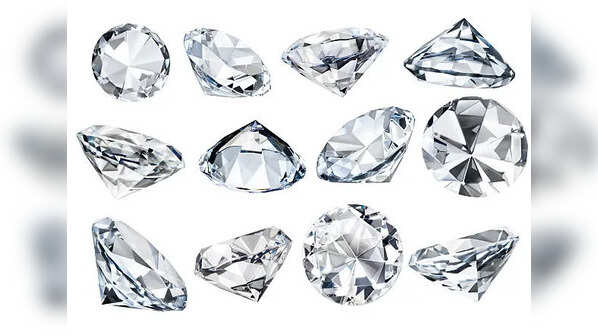
You’ve probably heard the term before – cut, colour, clarity, and carat. These four factors decide what a diamond is actually worth, and understanding them makes all the difference.
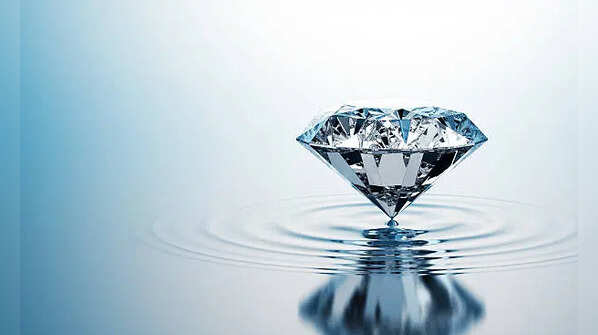
Here’s a simple way to look at it. Cut is the most important – it decides how much the diamond sparkles. Even a large stone can look dull if the cut isn’t right. Colour is about how clear the diamond looks; the best ones are almost completely colourless. Clarity refers to tiny flaws inside or on the surface. And carat? That’s the weight, not just the size.
3/6
Never skip the paperwork
Would you buy something expensive without proof of what it is? Probably not. The same rule applies here.
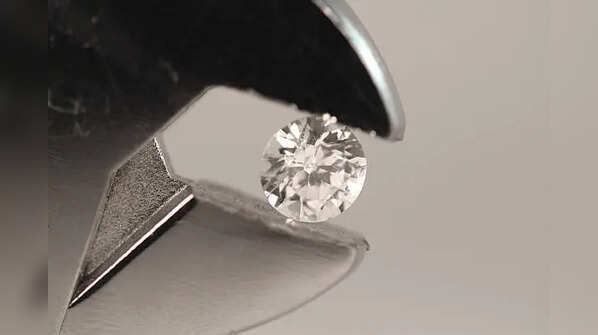
Always ask for a grading certificate from a trusted lab. Reputed institutions like the Gemological Institute of America (GIA) or the American Gem Society (AGS) are considered the gold standard.
Think of this certificate as the diamond’s identity card – it confirms everything your jeweller is telling you.
4/6
The big debate: Earth-mined vs lab-grown
This is where modern buyers have more choice than ever.
Lab-grown diamonds aren’t fake – they’re chemically and visually identical to natural ones. The only difference is how they’re made. Because they’re created in controlled environments, they usually cost less.
So it comes down to preference. Do you want a natural stone with traditional value, or a more budget-friendly lab-grown option? Decide early – it makes the process much easier.
5/6
Shape can change the price
Here’s something many first-time buyers don’t realise.
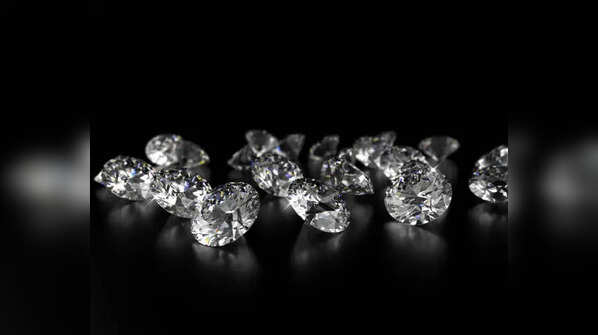
Round diamonds are the most popular – and also the most expensive. They sparkle beautifully, but they also waste more material during cutting, which adds to the cost.
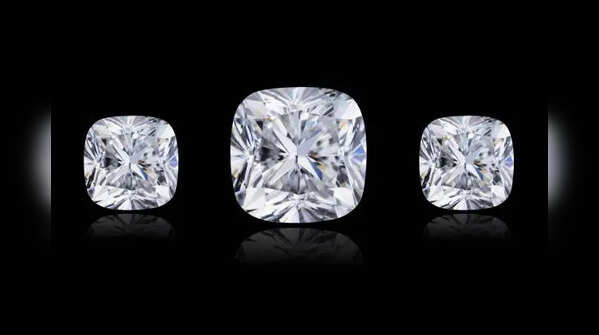
If you’re open to alternatives, look at fancy shapes like oval, cushion, emerald, pear, or princess cuts. They often appear larger for the same carat weight and come at a lower price.
6/6
Forget the “two-month salary” rule
That old rule? It’s outdated.
Your budget should be based on what you’re comfortable spending, not some marketing formula. Set a realistic number and stick to it.
Then make smart trade-offs. You can slightly compromise on colour or clarity – especially if the flaws aren’t visible to the naked eye. That way, you can focus on a better cut or a slightly larger stone without overspending.
At the end of the day, buying a diamond isn’t about following rigid rules. It’s about making a choice that feels right for you. With a little knowledge and a clear plan, the whole process becomes a lot less overwhelming – and a lot more exciting.
Follow Us On Social Media