
Let’s be honest – when most of us think of dangerous animals, birds rarely make the list. Sharks, lions, crocodiles, maybe a grumpy rhinoceros. But birds? They just sort of… chirp and fly away, right? Well, not quite.
Some members of the feathered kingdom are genuinely, impressively, and terrifyingly dangerous – and a few of them have actually killed people. So the next time you’re out on a morning walk, and you spot something large with wings, you might want to keep reading.Here are five birds that have earned their place on the world’s most dangerous list – and the science behind why each of them is a force to be reckoned with.
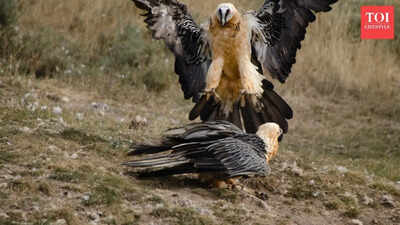
1. Lammergeier (Bearded Vulture)
This massive mountain vulture with a wingspan stretching nearly three meters has a hunting trick that sounds made up: it picks up large bones, flies high, and drops them onto rocks below until they shatter.
Then it eats the marrow. It does the same with tortoises. Anything unfortunate enough to be standing underneath that drop zone is in real trouble.
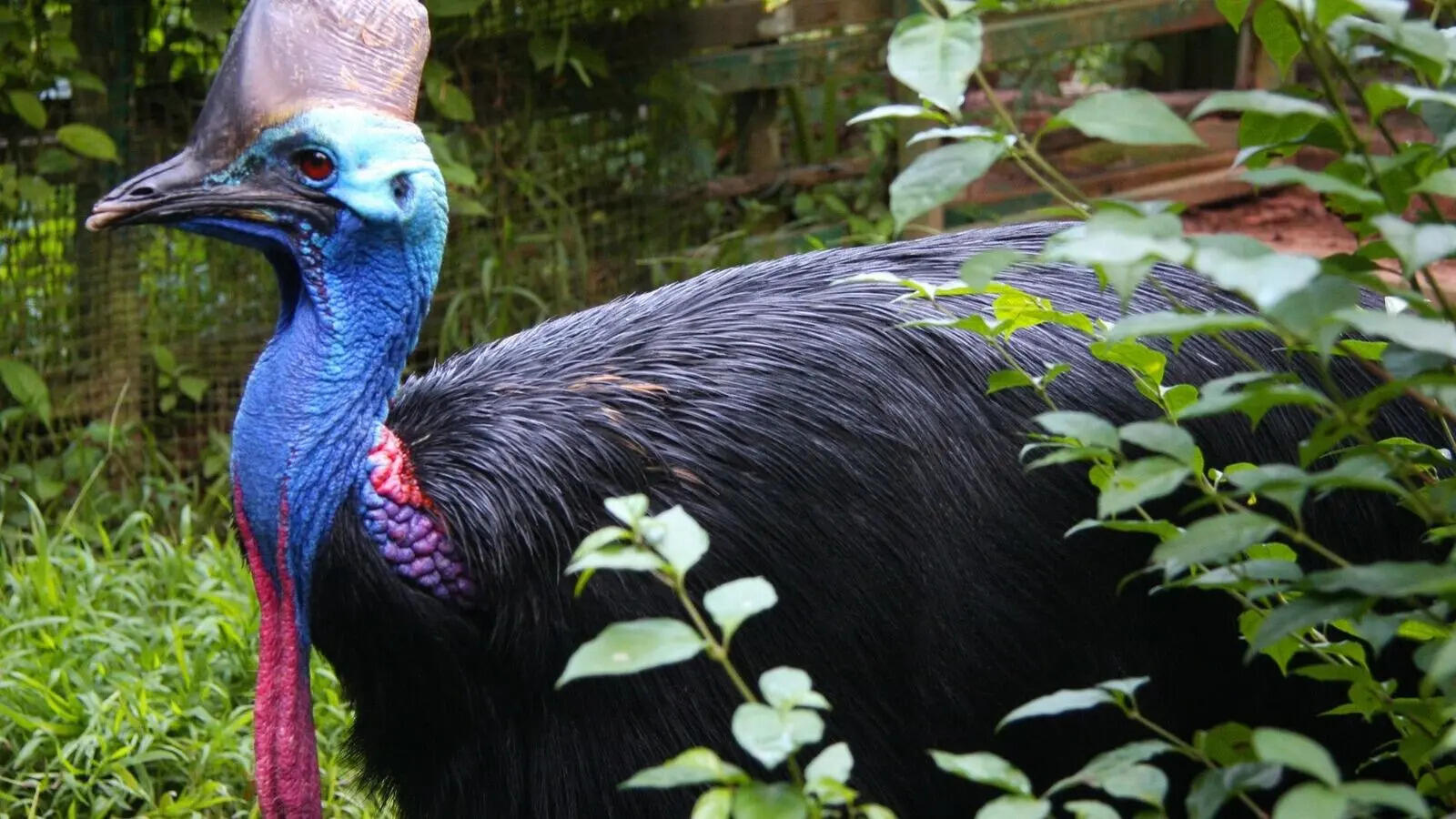
2. Southern Cassowary
Standing nearly 1.8 meters tall and capable of sprinting at 50 kilometers per hour, the Southern Cassowary of Australia and New Guinea is frequently called the world’s most dangerous bird – and it has earned that title. The middle toe on each foot ends in a claw up to 12 centimeters long, which it uses to kick with devastating force when threatened.
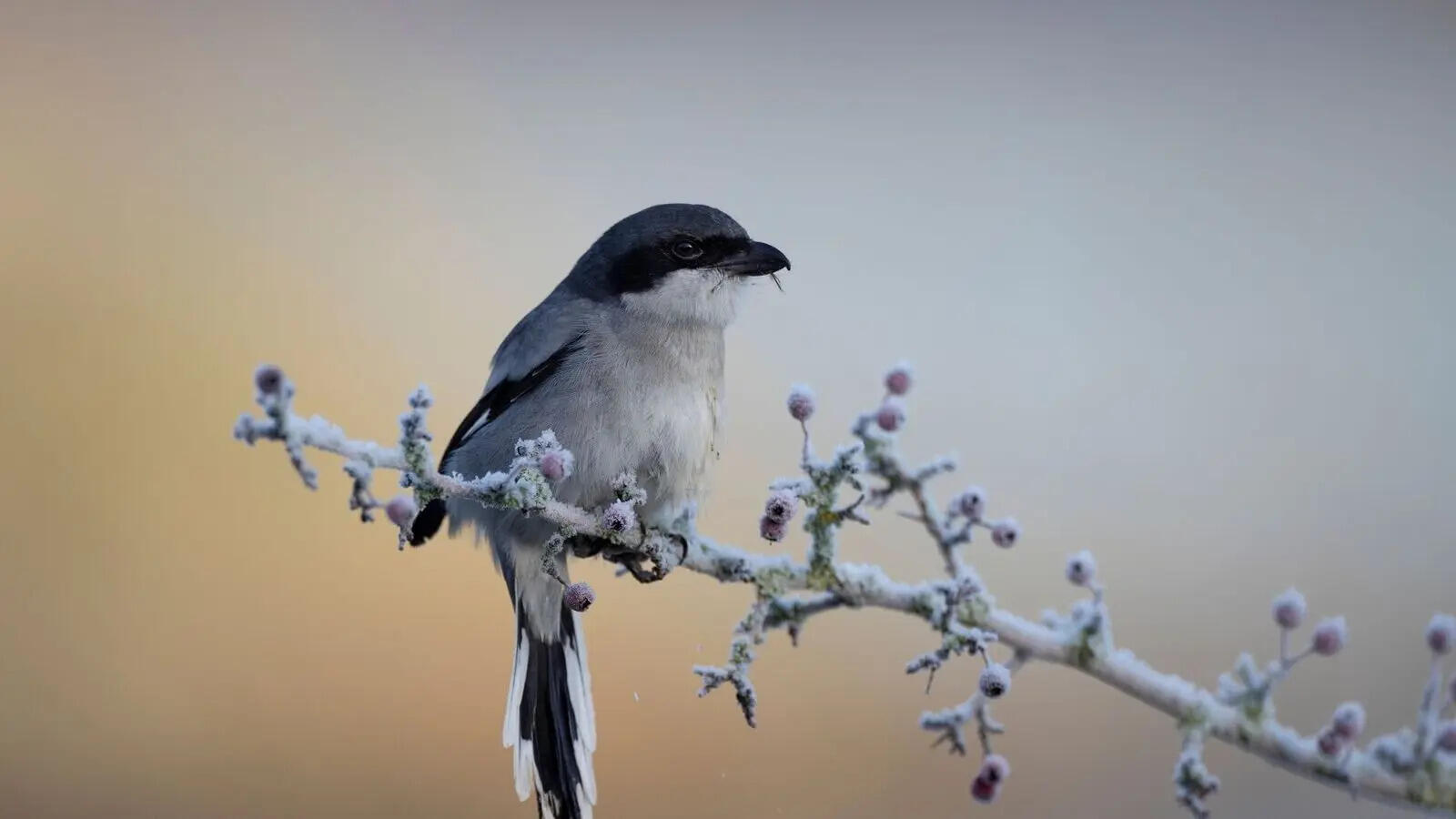
3. Great Grey Shrike
Don’t let the size fool you. This compact, grey-and-black bird – roughly the size of a myna – impales its prey on thorns and barbed wire, creating stockpiles of dead insects, lizards, and small birds for later. It even leaves toxic prey out in the sunlight for days, so the poison breaks down before it is eaten. A bird the size of your fist, with the meal-prep habits of a very organized serial killer.
4. Crowned Eagle
In the forests of sub-Saharan Africa, monkeys don’t just dislike this eagle – they flee in genuine terror from it.
The Crowned Eagle regularly takes down prey many times its own body weight, targeting the skull and spine with precision. It sits at the top of its food chain, and it knows it.
5. Hooded Pitohui
Until 1992, science was certain that no bird was toxic. Then a researcher in Papua New Guinea got scratched by this small orange-and-black bird, put his finger to his mouth, and immediately felt numbness and burning. The Pitohui carries batrachotoxin – the same neurotoxin found in poison dart frogs – in its feathers and skin. Local communities had called it the “rubbish bird” for generations, knowing it was unpleasant to handle.
Science just needed a few more centuries to catch up.Images: Canva (for representative purposes only)