

Many serious diseases like cancer and diabetes develop silently, posing a significant threat. Early detection through regular screenings is crucial, acting as the vital difference between manageable conditions and life-altering diagnoses. Experts emphasize that proactive health checks, combined with healthy habits, are key to staying ahead of these silent killers and ensuring better outcomes.
There is something deeply unsettling about diseases that grow quietly. No pain. No warning. No disruption. And yet, beneath that silence, damage may already be underway.Many serious illnesses, cancer, diabetes, hypertension, and even lung disease, often begin without clear symptoms.
By the time signs appear, the condition may have progressed enough to require complex treatment.That is why early detection is not just a medical recommendation. It is often the thin line between a manageable condition and a life-altering diagnosis.As the healthcare system evolves, the focus is slowly shifting from reacting to illness to preventing it. And at the heart of this shift lies one simple idea: screen before it screams.
Why “silent diseases” are so dangerous
Some of the most common and life-threatening diseases do not announce their arrival. They settle in quietly and progress slowly.Take diabetes or high blood pressure. A person may feel completely fine for years. Meanwhile, blood sugar or pressure levels may be damaging blood vessels, nerves, and organs.The same is true for many cancers. Early-stage cancers often do not cause noticeable symptoms. By the time fatigue, weight loss, or pain appears, the disease may already be advanced.
According to a research publsihed in the NIH, non-communicable diseases account for over 60% of deaths in India, and many of these develop silently over time.A large national survey published in the Science Direct has also shown that a significant number of people with hypertension were unaware of their condition.The danger is simple: when there are no symptoms, there is no urgency, and without urgency, diagnosis is delayed.
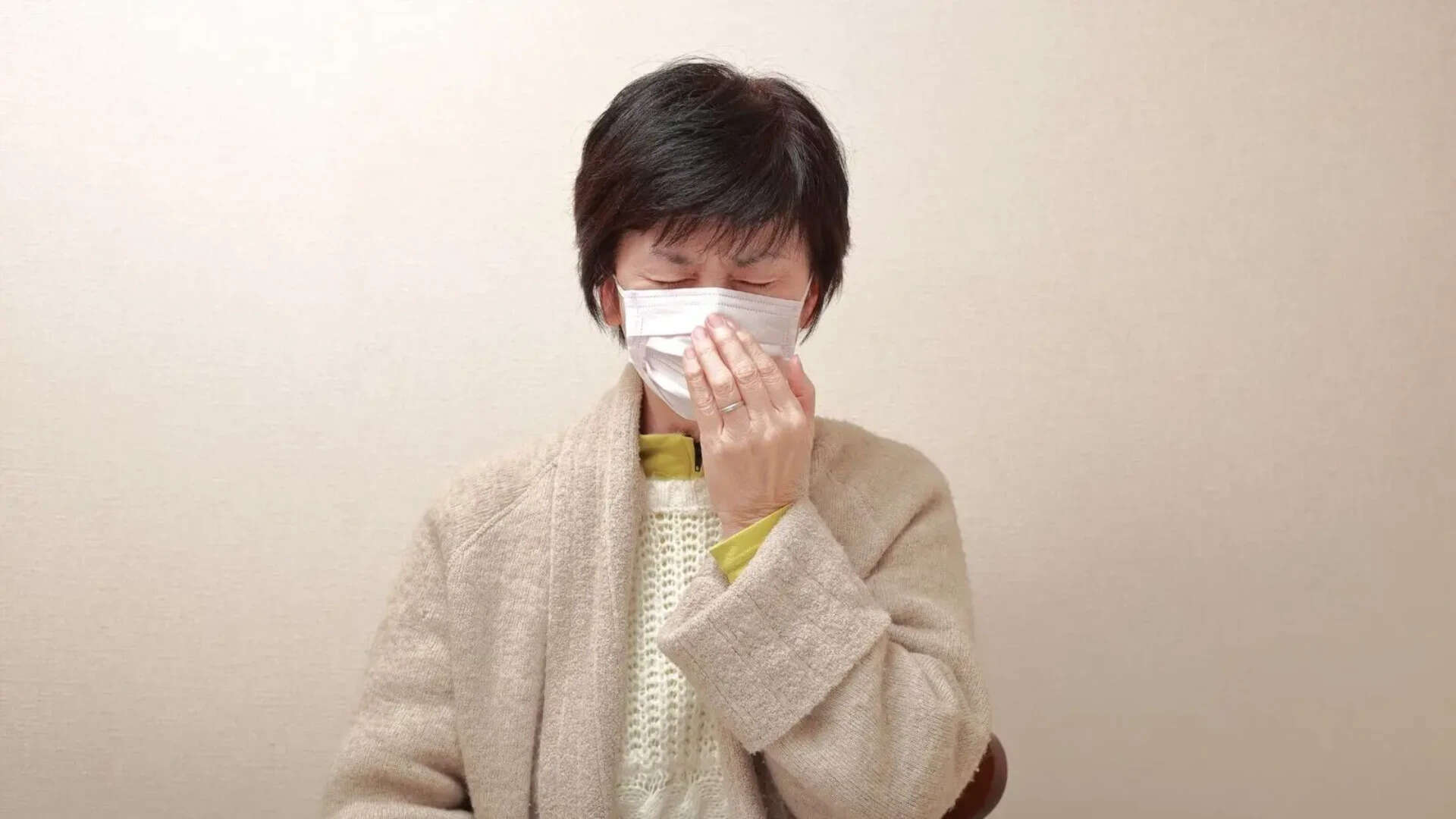
Early diagnosis can reduce complications, treatment costs, and improve quality of life.
Early detection: The difference between control and crisis
When a disease is detected early, the story changes completely.“When a disease is diagnosed early; in most cases, it may save the patient a serious surgical procedure and recovery outcome will be better,” says Dr Jagdish Chander.This is especially true for cancers, gastrointestinal disorders, and conditions like hernias or gallbladder issues. Many of these can be managed more effectively, or even without surgery, if caught early.Early detection also reduces treatment cost, hospital stays, and emotional stress.
A simple screening test today may prevent months of intensive treatment later.It is not just about living longer. It is about living better.
Diseases that often show no early symptoms
Several major illnesses are known to remain silent in their early stages. Some of the most common include:
- Type 2 diabetes – may not show symptoms until blood sugar is very high
- Hypertension (high blood pressure) – often called the “silent killer”
- Lung diseases – early damage may not affect breathing noticeably
- Certain cancers – including colorectal, ovarian, and pancreatic
- Liver disease – damage builds slowly without early discomfort
“There are numerous diseases, in particular those of lungs and internal medicine, which do not have explicit signs at the initial stages,” explains Dr Vijay Dutta.These conditions do not wait for symptoms. They progress quietly.
That is what makes screening essential.
What regular screening actually does
Screening is not just about detecting disease. It is about catching changes before they become serious.A blood test can reveal rising sugar levels years before diabetes develops. A chest scan can identify early lung abnormalities. A colon screening can detect polyps before they turn cancerous.Regular check-ups create a health baseline. They help doctors notice even small deviations over time.And sometimes, those small changes are the first warning signs.
Prevention is not just tests, it is a lifestyle
Screening works best when it is combined with everyday habits.“Early diagnosis is vital in the management of chronic and lifestyle diseases like diabetes, hypertension, respiratory diseases, among others,” says Dr Vijay Dutta.But he adds an equally important point: prevention does not stop at diagnosis.Eating balanced meals, staying active, managing stress, and avoiding smoking are just as critical.
These habits reduce the risk of disease and also improve outcomes if something is detected early.Preventive healthcare is not a one-time action. It is a continuous relationship with one’s own body.
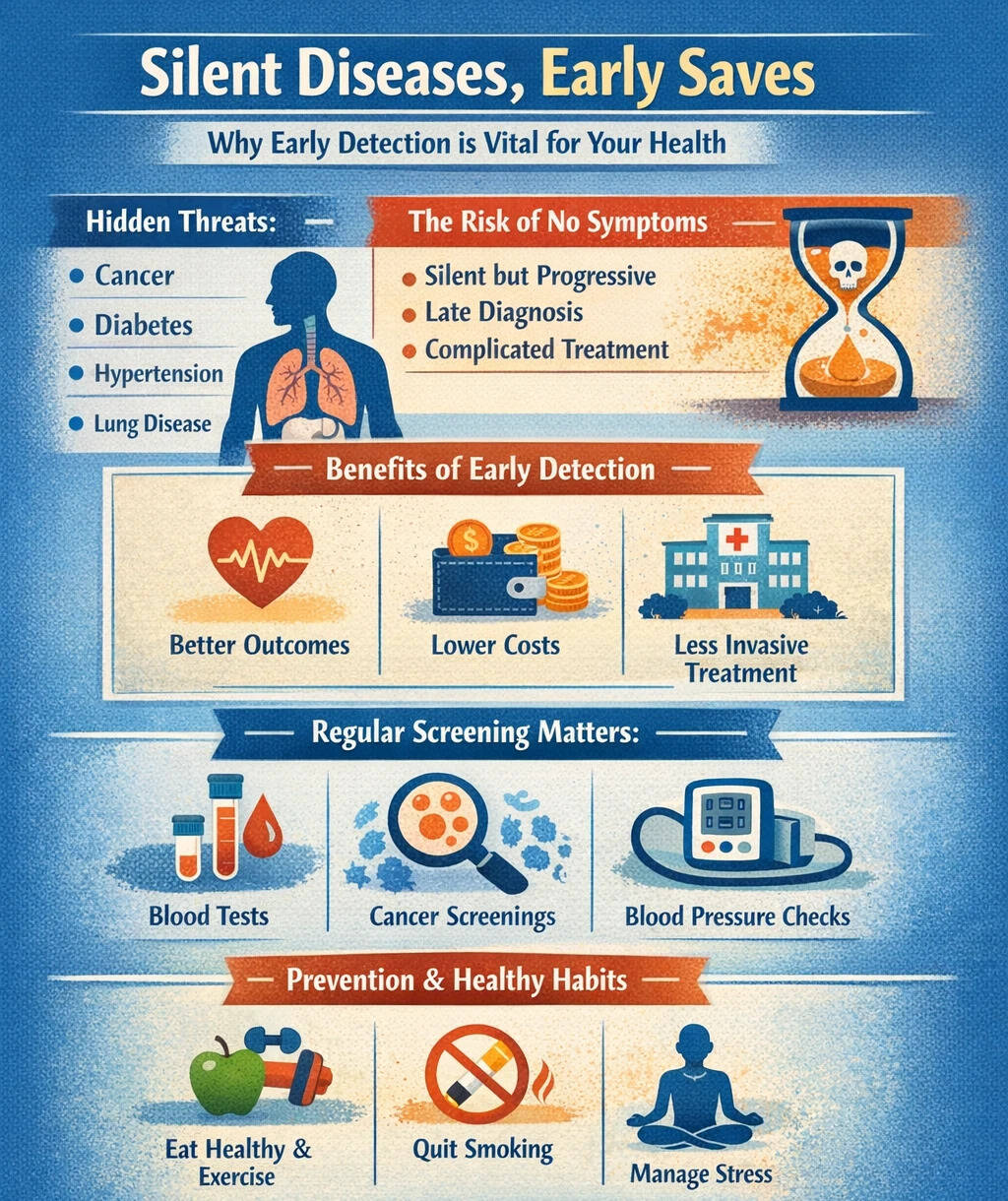
Combining routine tests with healthy lifestyle habits is the most effective way to prevent long-term health risks.
Taking charge before symptoms take over
“Frequent health examinations are essential, particularly to people older than 40 or those whose family history includes disease,” advises Dr Jagdish Chander.This advice is simple but often ignored.Life gets busy. Work takes over. Health check-ups get postponed.
And because there is no immediate discomfort, they feel unnecessary.But that is exactly when they matter the most.A routine test may feel like a small step. Yet it can uncover hidden risks, guide early treatment, and in many cases, prevent serious complications altogether.
Listen to what the body does not say
Not all illnesses speak loudly. Some whisper. Some remain silent until it is almost too late.Early detection gives that silence a voice. It turns uncertainty into clarity.
It replaces fear with action. And most importantly, it offers a chance to change the outcome. Health is not just about treating disease. It is about staying ahead of it.Medical experts consultedThis article includes expert inputs shared with TOI Health by:Dr Jagdish Chander, Senior Director, General Surgery, ShardaCare-Healthcity.Dr (Col) Vijay Dutta, Director, Internal Medicine & Respiratory Services, ISIC Multispecialty Hospital, Delhi.Inputs were used to explain how several serious conditions, including cancer and diabetes, can develop without noticeable symptoms in their early stages, and how regular screenings play a crucial role in detecting them in time for better outcomes.