

When we think about hospital hygiene, the first images that come to mind are sterile operating rooms, doctors wearing gloves, and carefully sanitised medical equipment. Yet, one important aspect of hospital hygiene often goes unnoticed, laundry management.
Patient gowns, bedsheets, towels, and surgical linens are constantly in contact with both patients and healthcare workers. If these textiles aren’t cleaned properly, they could potentially spread harmful microorganisms.To prevent problems like this, hospitals use carefully designed laundry procedures and systems. The systems guarantee that all of the linen is safely cleaned, disinfected, and returned.
The steps are far more complex than what you would find in the average house and are critical to maintaining a high level of hygiene and patient safety. According to Anshul Gupta, Founder & CEO at Quick Clean, “Washing may seem like a simple task, but it is not soap and water that is sufficient.
There are a number of precautions that one should take even at home while washing clothes. From the right way to segregate to using water at the right temperature, it is important that the right steps are taken for safety.”
Why hospital laundry needs special attentionHospital linens aren’t your average laundry load. It can be exposed to bodily fluids, bacteria, and pathogens during patient care. If these textiles are not properly disinfected, they may contribute to the spread of hospital-acquired infections (HAIs).Globally, studies suggest that 7–10% of hospitalized patients in developed countries and up to 15% in developing regions experience at least one hospital-acquired infection during their stay.
While these infections can occur due to many factors, improper handling of contaminated surfaces and textiles can increase the risk. Hence, laundry management is crucial for hospitals.Hospital laundry processes are fundamentally reliant on meticulously organized procedures, incorporating industrial machinery, predefined washing routines, and skilled staff. The machines operate in carefully calibrated thermal environments and do use specific detergents and disinfectants to eliminate harmful bacteria and viruses.
In many thermal disinfection methods, linens are washed at temperatures exceeding 70 °C for a period of time so that the effective removal of pathogenic microorganisms is achieved.
Advanced systems also monitor other parameters such as the water consumption, the amount of detergent utilized, and the duration of a wash cycle to ensure that cleanliness is maintained.
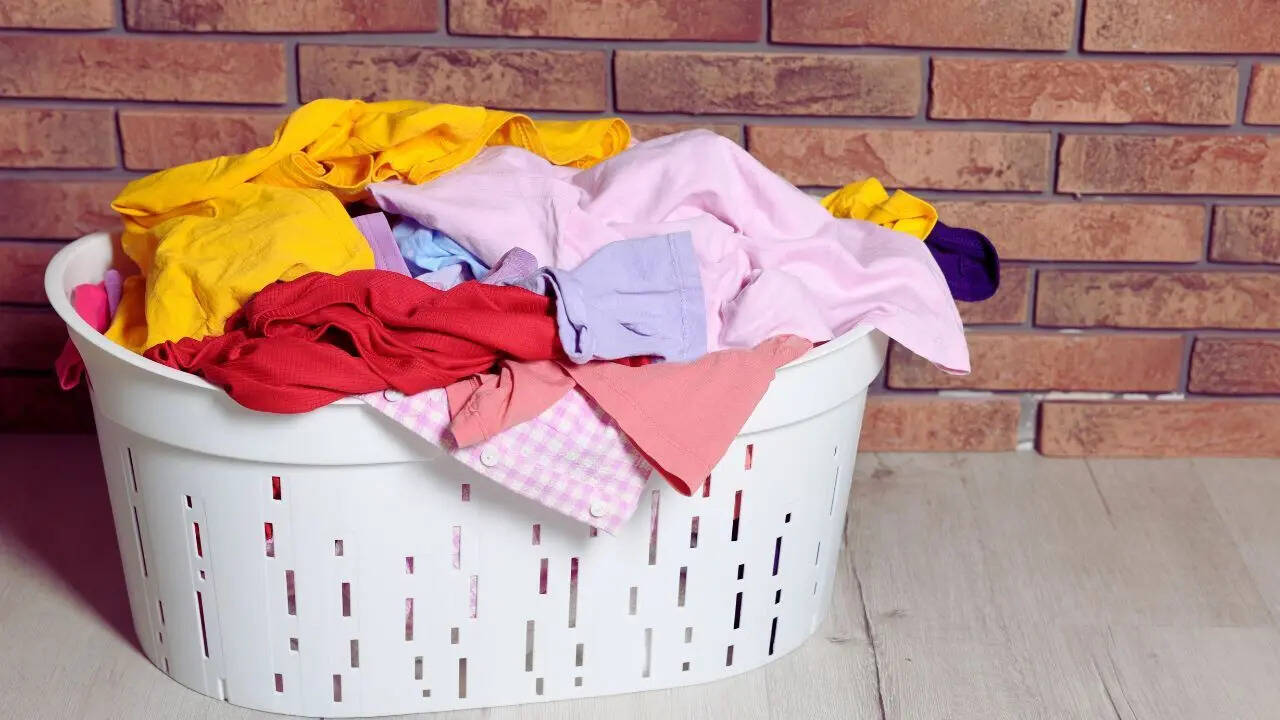
Segregation: The first step of safe laundryBefore a single item hits the wash, hospitals follow a strict separation process.
Soiled linens are organized based on their level of contamination and the type of material they’re made from. This process keeps heavily soiled items from being combined with lightly used items. For example in the way linens are handled in an isolation ward or in a surgical ward than in a general ward. This systematic routine minimizes the risk of contamination, beginning the moment the linen is initially gathered.
Barrier washers are widely used in hospital laundering. In such machines the space where dirty linen is loaded is separated from the space where clean linen is unloaded which greatly minimizes the risk of cross-contamination.Monitoring and process controlModern hospital laundries depend on close monitoring and strict standardization. Operators keep a close eye on stuff like wash temperature, wash cycle length, and even the exact amount of chemicals used.
Attention to detail is paramount, guaranteeing that each linen batch complies with stringent hygiene requirements. Data analytics can aid hospitals in upholding infection control protocols, thus facilitating the standardization of cleaning procedures.
In expansive healthcare environments, the daily linen load can rapidly accumulate to several thousand kilograms, underscoring the necessity of consistent monitoring.
Furthermore, sustainability within healthcare laundry operations presents a significant challenge, considering the considerable water and energy consumption inherent in hospital laundry processes. To address this issue, modern systems are designed to optimize wash cycle efficiency and reduce resource consumption, all while upholding strict hygiene standards.Efficient water management, energy-saving equipment, and recycling initiatives are increasingly becoming part of hospital laundry operations.
These methods support the balancing of the hygiene needs and environmental sustainability of healthcare settings.What people can learn from hospital laundry practicesIndustrial laundry systems aren’ t necessary for households, but many of the concepts used in hospitals may be used at home to improve hygiene.
- Separate heavily soiled items: Towels, cleaning cloths and undergarments are more germ laden than ordinary clothing items. Washing separately stops cross-contamination.
- Use the right temperatures: Hotter water temperatures (to a point) for washing sheets and towels kills bacteria better.
- Don’t overload: Good circulation of water and detergent makes the washing process more effective. Dry clothes thoroughly: Sunlight and proper drying help reduce moisture, which prevents microbial growth.
- Handle dirty laundry with care: Don’t shake out heavily soiled items before washing them; doing so can release dust and germs into the air.
A quiet but crucial role in hygieneThough often overlooked, hospital laundry systems play a vital role in keeping healthcare safe. Hospitals, through carefully structured processes, from sorting and controlled washing to proper drying and storage, guarantee that every item of linen used in patient care adheres to stringent hygiene standards. All of these techniques can clean as thoroughly as washing clothes, if you use a few of them.