
The Class 12 History paper this year has taken an unexpected turn. Not because of a tricky question or a controversial syllabus topic, but due to something far less traditional: QR codes printed on the exam paper.
Students reportedly scanned these codes during the exam and found themselves redirected to online search results linked to Orry, a name widely recognised on social media. The moment quickly moved beyond classrooms and into online discussions, where reactions spread fast. Some students shared clips, others posted screenshots, and the incident began circulating as a curious blend of examination and internet culture.
CBSE QR codes in exam papers spark curiosity during Class 12 history paper
The inclusion of QR codes in CBSE papers has been around as a security measure linked with the Central Board of Secondary Education. They are generally meant to verify authenticity rather than interact with content in a meaningful way. In this case, students scanning the code during the Class 12 History exam on March 30 reportedly noticed that the results displayed online references connected to Orry.No special instructions suggested that scanning the code would reveal anything interactive.
Still, curiosity played a role. A few students tried it, others followed, and soon enough, short recordings began appearing on social media platforms.
Social media reactions grow as Orry’s QR code moment goes viral
Once the clips started appearing online, the incident gained momentum. Students described their reactions in informal posts. Some found it confusing at first. Others seemed entertained. It appears the unexpected nature of seeing a trending personality linked to an exam paper added to the buzz.Online discussions were not limited to students alone. General users, content creators, and observers began commenting on how such small technological elements can lead to viral outcomes. One post tends to trigger another in situations like this.
Orry reacts to the viral moment
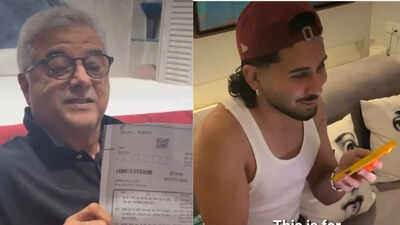
Orry also responded publicly. He reportedly shared a video of himself scanning the same QR code and viewing the search results tied to his name. His reaction appeared surprised, almost amused.
He mentioned that it felt unusual to see his name linked to a CBSE exam paper.That response added another layer to the story. What started as a small student discovery turned into a wider internet moment involving the person at the centre of it. His post circulated quickly, drawing further attention and engagement.
Previous CBSE QR code rickroll incident resurfaces during Class 12 exams
As reported, this incident did not come out of nowhere. Earlier during the Class 12 Maths exam held on March 9, students scanning QR codes were reportedly redirected to the well-known Rick Astley song “Never Gonna Give You Up.”
That moment echoed an internet prank commonly known as “rickrolling.”At the time, it generated laughter among students. Some expected academic content, others got an unexpected video instead. The contrast between expectation and outcome made it memorable.The pattern across both incidents feels similar. QR codes designed for verification end up becoming talking points when students explore them out of curiosity.
CBSE clarification on QR codes
The Central Board of Secondary Education later clarified the purpose behind these QR codes. According to their explanation, the codes are included as a security feature to confirm the authenticity of the question paper. They are not intended to provide external content or lead to unrelated search results.
This clarification aims to separate functionality from perception. The codes serve a technical role, not an interactive one. Still, the user experience depends on how they are accessed, and in these cases, students decide to scan them during exam time.