
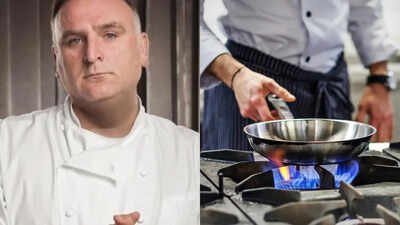
José Andrés founded World Central Kitchen after the 2010 Haiti earthquake, prioritizing dignity and memory through food. WCK has since become a global relief machine, serving over 600 million meals by acting as ‘first to the frontlines’ and working with local communities.
In the first days after Haiti’s devastating 2010 earthquake, José Andrés did not arrive like a conventional aid boss. He went into a camp, stood beside displaced families and learned how they actually wanted their black beans cooked, mashed and sieved into a creamy sauce, the way they were used to eating them at home.
That detail captures the entire idea behind World Central Kitchen: food is not just fuel after a disaster, it is dignity, memory and the quickest way to tell people they have not been forgotten. Scroll down to read more…A chef who turned urgency into a missionAndrés, born and trained in Spain, moved to the United States at 21, built a celebrated restaurant career and then, in 2010, founded World Central Kitchen after the Haiti earthquake.
WCK now describes him as its founder and chief feeding officer, and says his career in food led him to see the power of cooks to change the world. The charity’s origin story is unusually direct: the project was born not in a boardroom, but in crisis, with the conviction that meals should reach people fast, and with as little bureaucracy as possible.That philosophy has since become the organization’s operating system.
WCK says it is “first to the frontlines,” providing meals in response to humanitarian, climate and community crises, while working with local restaurants, food trucks, emergency kitchens and local ingredients whenever possible. In its own words, it has created a new model for disaster relief, one built around quick action, local purchasing and serving comforting meals with dignity.
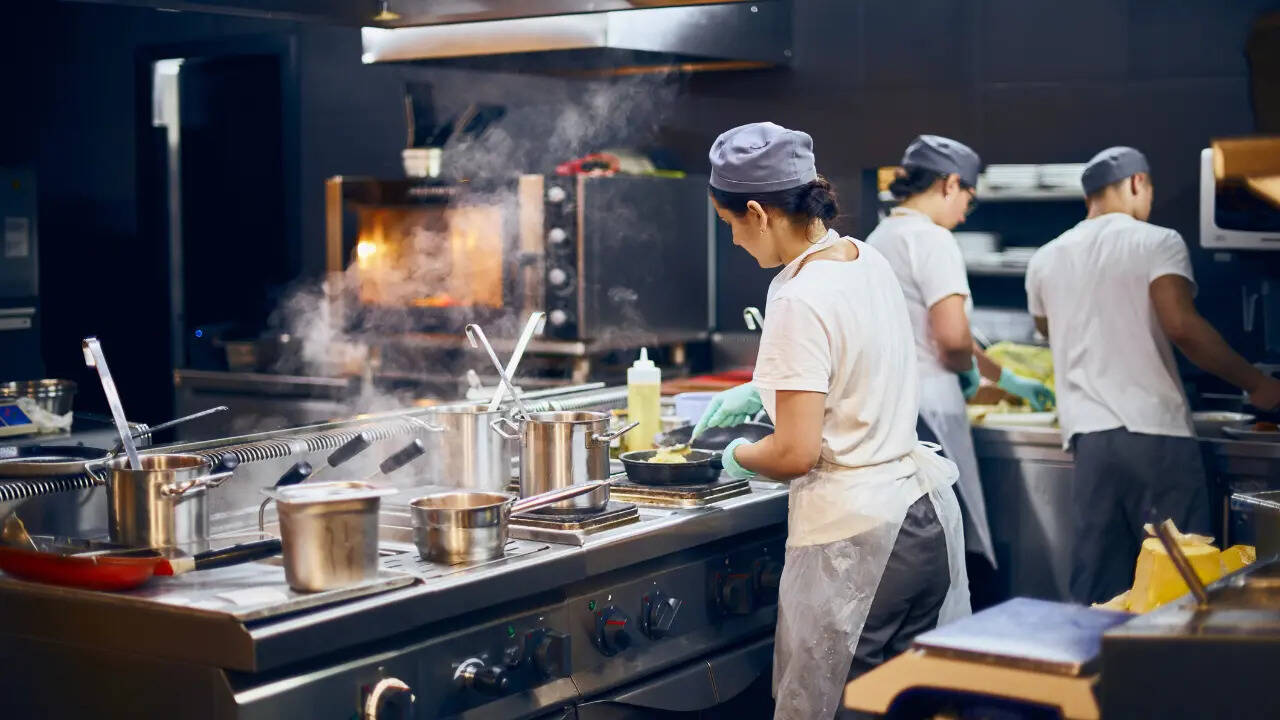
Why the kitchen arrives before the speechThe genius of WCK is that it treats food like immediate relief, not a secondary comfort.
After storms, earthquakes, wars or floods, the first need is often not a perfect policy response but a hot plate of rice, bread or stew that a family can eat that same day. WCK’s model is built around that truth. The organization says it has now served more than 600 million meals overall, including more than 130 million meals across thousands of communities in 2025 alone.That scale matters because it shows how an idea that began with one chef in one disaster zone has grown into a global relief machine.
WCK’s current work spans places as varied as Indonesia, Hawaiʻi, Lebanon, Ukraine and Gaza, where the group continues to operate kitchens and support communities affected by conflict and disaster.
The human side of humanitarian foodWhat separates Andrés from many celebrity chefs is not fame but method. WCK’s story repeatedly returns to listening first, cooking second. In Haiti, that meant learning local bean traditions from the people in the camp.
In later responses, it meant buying locally, hiring locally and adapting menus to what communities actually eat. The organization says that good food brings not only nourishment but also comfort and hope, and that a neighbor helping a neighbor is often the strongest force for recovery.That local approach helped WCK win unusual public admiration. In January 2025, José Andrés received the Presidential Medal of Freedom, the United States’ highest civilian honor, for his humanitarian work and his contribution to the culinary world.
The recognition reflected something wider than celebrity: a growing belief that food relief, when done at speed and scale, can sit alongside the biggest forms of emergency response.What his work leaves behindJosé Andrés has built more than a charity. He has built a simple, stubborn argument: disaster relief should taste like humanity, not paperwork. That is why WCK kitchens matter so much. They do not merely count calories; they restore rhythm, routine and a small sense of normal life when everything else has been swept away. In the end, the measure of this mission is not only the number of meals served, but the message behind each one: someone came, someone cooked, and someone cared enough to do it now.