
During Toronto’s Port Lands construction, ancient seeds, some dating back to the 1500s, were unearthed from a buried marsh. These viable seeds, preserved by waterlogged conditions, are now sprouting, offering a glimpse into the region’s past biodiversity. This discovery aids in understanding and restoring the lost Ashbridge’s Marsh.
Century-old treasures are not only precious and highly priced, but they are also like time capsules hiding magic from aeons ago!Imagine stumbling upon a hidden time capsule right in the middle of a busy city construction zone.
That’s exactly what happened in Toronto, where nature decided to whisper secrets from the past amid the modern machinery.For years, the waterfront has been a place of industrial grit, but lately, it’s becoming a canvas for revival, where flood barriers are being built, rivers rerouted, and green spaces are being redesigned.Hence, amid all the digging and more, some long-lost treasures are being unearthed.
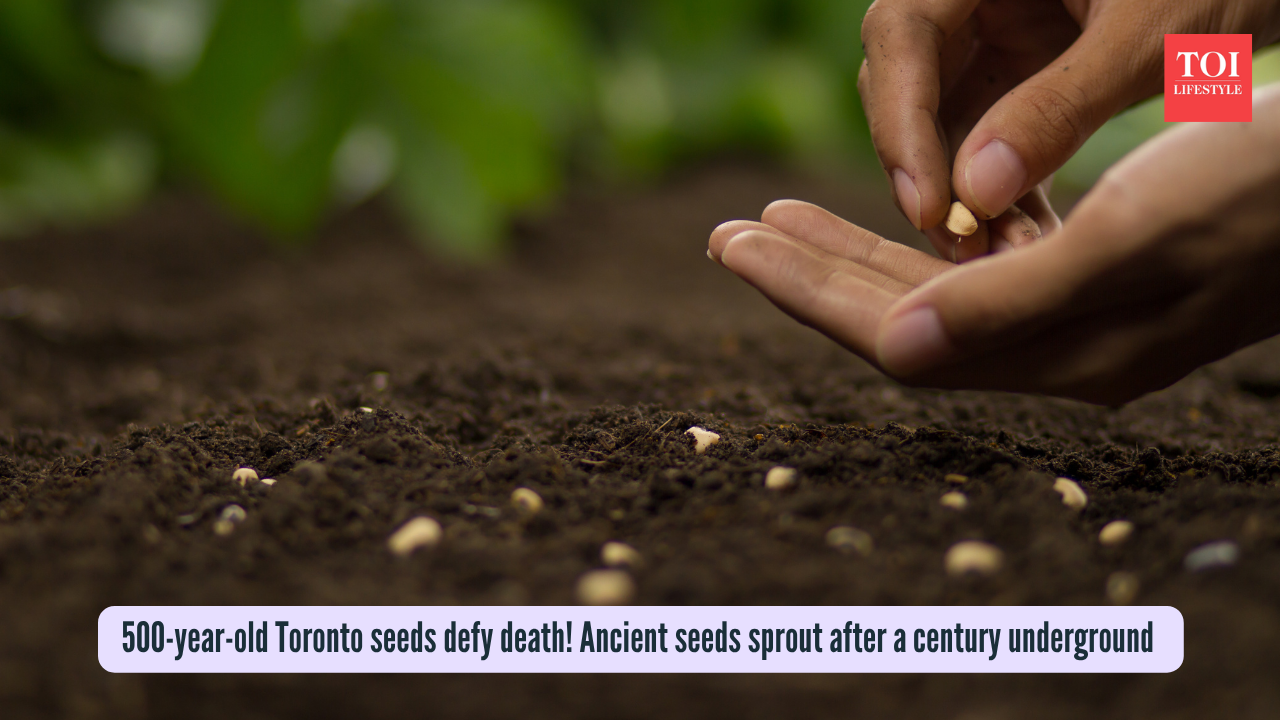
Representative image
Centuries old well protected seeds found in Toronto
While digging a new river channel in Toronto’s Port Lands, workers found soil that had been buried about 23 feet (7 meters) deep for generations. To their surprise, bulrush and cattails seeds started sprouting, and University of Toronto paleoecologist Sarah A. Finkelstein linked them to the long-lost Ashbridge’s MarshAge tests on the seeds showed most dated to the 1800s, with one from the 1500s, proving a preserved snapshot of the original wetland rather than recent invaders, according to an Earth report.Waterlogged conditions had protected the seeds from oxygen, preserving their viability over centuries. “Our first goal is to understand what the marsh looked like back then,” said Finkelstein, according to the Earth.com article. These sprouts matched pollen and soil data.
Pollen opens secrets on plant diversity
Pollen from seven soil samples highlighted a mix of open-water plants, swamp trees, and shrubs nearby when the layers formed. Each sample contained grains from around 35 species, like black ash, butternut, and American chestnut, which are now extinct in the area.
Low ragweed levels indicated a stable, wet environment with minimal disturbance.Soil analysis revealed a patchwork, including dark, organic-rich spots from slow-decaying wet zones, and mineral-heavy areas from flood sediments. This variety aids restoration by allowing varied wetland recreations.
Discord soil matches samples that are lost to the present day
Southern Ontario has lost over 68% of its wetlands since the early 1800s, stripping storm buffers, pollution filters, and carbon stores.
Canada retains about a quarter of global wetlands, so local efforts make a big difference.The Port Lands project prioritises flood protection and draws on this data to create effective carbon sinks. “This work could tell us how well this wetland functioned as a carbon sink,” noted Dr. Finkelstein.
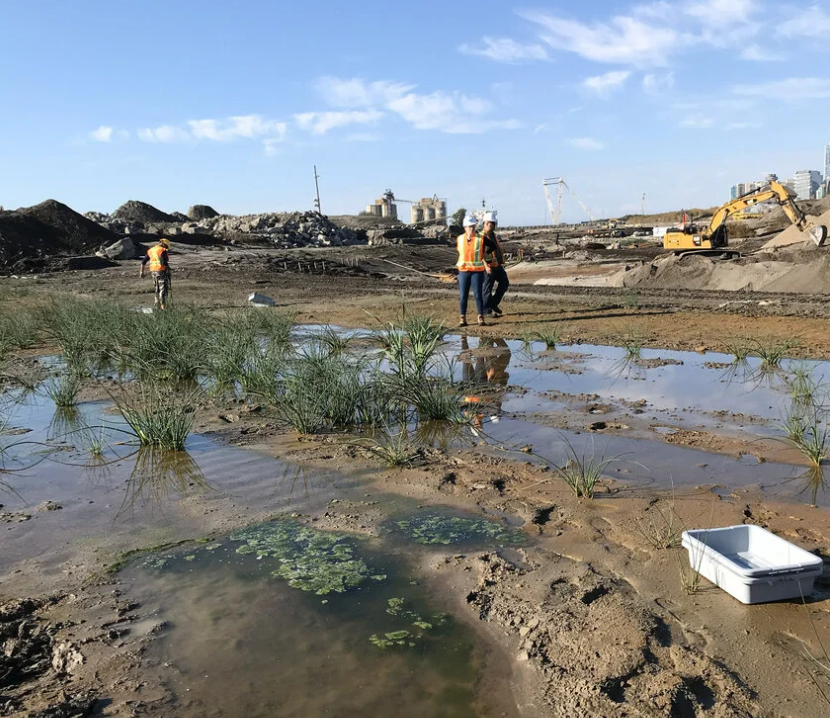
Photo via FACETS study
Indigenous knowledge from the Waasayishkodenayosh area improved the analysis by connecting identified plants to their traditional roles in food, medicine, and crafts.
Even with some soil layers disturbed by construction and slight uncertainties in dating, the combined evidence from seeds, pollen, and soil chemistry remains compelling and consistent.
Future steps
Researchers are planning more seed germination tests and detailed identification to find additional viable native plants that could naturally re-establish themselves. This information will help select species that support wildlife, store carbon, and adapt to the evolving shoreline.This research was published in The FACETS study.