
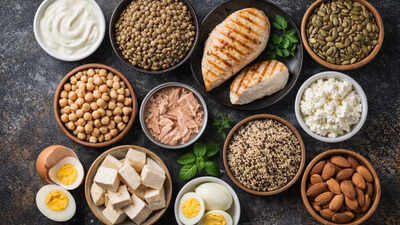
Eggs have been hailed as an excellent source of protein, having around 6-7 grams per egg with all the necessary amino acids included. They are relatively inexpensive and very convenient food items to use in everyday meals.
However, many other food items have far more protein content than eggs and serve as better sources. For example, some of these food sources are derived from animals and plants, and these provide more nutrients, apart from protein content. They include healthy fats, fibre content, vitamins, etc. Having different sources of proteins in one’s diet is beneficial for building muscles, improving satiety, and keeping the body healthy.
Foods that contain more protein than eggs
Many other common foods contain higher levels of protein compared to eggs, such as meats, dairy products, beans, nuts, and seeds. Eating a combination of these foods high in protein will help build muscles, reduce hunger, and maintain a balanced diet. Protein values are derived from data provided by the USDA FoodData Central nutrient database.
Greek yogurt
Protein content in Greek yoghurt is about 10 grams per 100 grams, which makes it richer in protein compared to eggs.
Greek yoghurt also comes with probiotics, which promote digestive health.
Lentils
Cooked lentils contain 9 grams of protein per 100 grams of product. Lentils are high in fibre, iron, and complex carbohydrates, serving as staples for vegetarians.
Chicken breast
Chicken breast offers 31 grams of protein per 100 grams. This product serves as an effective protein source because it contains minimal fats.
Cottage cheese
Cottage cheese supplies 11 grams of protein per 100 grams. It is notable for high casein protein levels that are digested slowly and help with muscle recovery.
Chickpeas
This legume provides 8-9 grams of protein per 100 grams cooked. Chickpeas are utilised in various products like hummus and supply energy thanks to fibre.
Tofu
This soy-based product provides 8 grams of protein per 100 grams. Tofu is considered a complete protein product as it includes all essential amino acids.
Tuna
Per 100 grams, this fish offers 29 grams of protein. It also contains large amounts of omega-3 fatty acids, improving heart functioning.
Quinoa
For each cooked cup, quinoa has 8 grams of protein per cup. This product is considered a complete protein as it has nine essential amino acids.
Almonds
Almonds offer about 21 grams of protein for every 100 grams. Alongside proteins, almonds have healthy fats and vitamin E.
Pumpkin seeds
The pumpkin seed offers approximately 19 grams of protein in every 100 grams. Pumpkin seeds are also rich in magnesium, zinc, and antioxidants.
Importance of including diverse protein sources in one’s diet
Though eggs are still one of the most nutritious sources of protein, these food items show that it is easy to include high-protein foods in your diet through many food groups.