
AA
Text Size
- Small
- Medium
- Large
1/6
5 Japanese food rituals that could fix your eating habits instantly
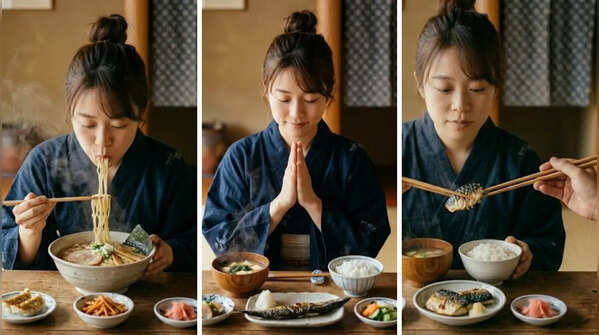
Dining in Japan is about much more than just food; it incorporates a strong sense of being present, gratitude, and a connection to history (through Shinto and Buddhist traditions). The purpose of the food preparation process changes from a necessity into an avenue for spirituality, for both spiritual nourishment and nourishment of the body.
The principles behind Japanese dining highlight the importance of being disciplined in how we prepare our food and have an appreciation of what we consume by practising the rituals that help create a sense of connection to the food from the time of purchase until the time it is consumed. By implementing these five fundamental rituals into your life, you will begin to move out of the habit of mindless eating and back into recognising the process of eating as a spiritual event.
2/6
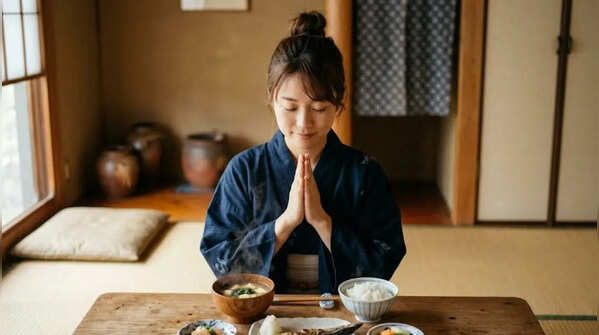
Itadakimasu
Before taking their first bite, the Japanese clasp their hands and recite ‘Itadakimasu’. This can be translated directly as ‘I humbly accept’. Unlike a typical bon appétit, which is merely a casual greeting, this practice is rooted in both Shintoism and Buddhism and gives thanks to the plant and animal life that has been sacrificed, as well as the effort of the farmer and chef who prepared the meal. Itadakimasu gives one the opportunity to remove the blindfold of mindless consumption and develop an appreciation for the life-energy that exists on your dining plate.
PC: Google Gemini
3/6
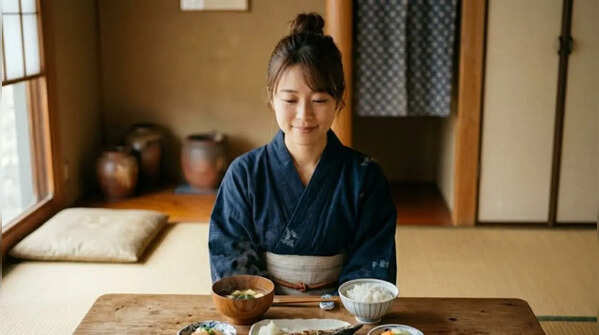
Hara Hachi Bu
This Confucian-based principle concept was created by the Okinawans as part of their cultural cornerstone in the so-called Blue Zone; however, this principle requires the practitioner to eat only until they feel 80 per cent full. As it takes the brain roughly 20 minutes to register the satiety signals generated from the stomach, stopping before reaching 100 per cent full prevents overeating and postprandial somnolence (fatigue). Practising hara hachi shifts your relationship with food from one of fullness to that of sustenance and profoundly improves digestion, weight management, and long-term metabolic health.
PC: Google Gemini
4/6
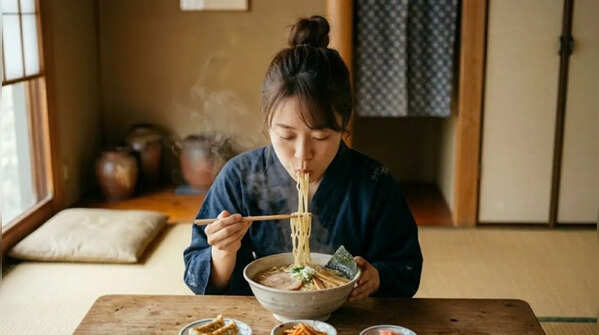
Slurping
Most cultures believe making noise at the dinner table is impolite. However, in Japan, it is very important to slurp your noodles (such as soba noodles, udon noodles, ramen noodles, or other Japanese noodles). Slurping your noodles helps to mix air into the noodles when you suck them into your mouth, which helps to cool the noodles and to bring out the aroma and taste of the noodles. Slurping your noodles also communicates non-verbally to the chef that you are enjoying the meal very much! Slurping allows you to really enjoy the food through multiple senses and in a very relaxed manner.
PC: Google Gemini
5/6
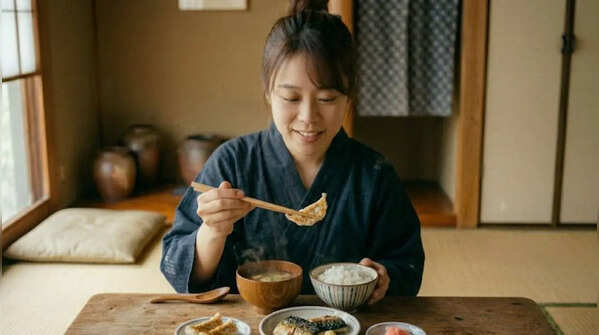
Triangle Eating
Japanese meals are generally served to you in small bowls (e.g., ichigyu sansai). The ‘Triangle Eating’ ritual is accomplished by taking a small amount of rice and placing it in your mouth, then getting a sip of the soup and putting it in your mouth and then taking a small amount of a side dish and putting it in your mouth and then repeating the process until you have eaten all of the food. By following the ‘Triangle Eating’ pattern, you will ensure that you do not finish one food before you finish all of the foods on the table and that you maintain a balanced palate while eating your meal. ‘Triangle Eating’ prevents palate fatigue and encourages you to eat your meal at a thoughtful pace rather than just rushing through each food component.
PC: Google Gemini
6/6
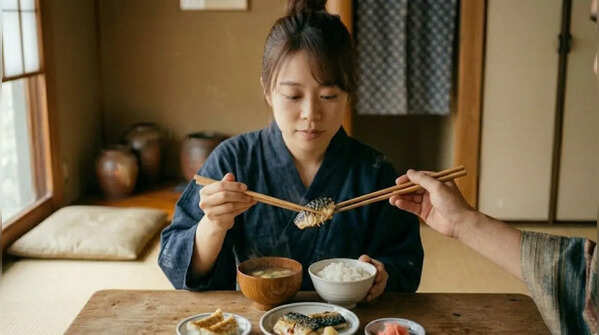
Hashi-watashi
The use of chopsticks in Japan follows the various customs surrounding the proper use of them to show respect (Imigushi). An example of this is when the chopsticks have been used to take food from one pair of chopsticks and pass it to a different pair of chopsticks (Hashiwatashi) or putting the chopsticks vertically into a bowl of rice. Both of these examples represent practices that are performed at a funeral. By practising these customs, you remain present and disciplined with your use of chopsticks, treating them as more than just tools but as an extension of your respect for both the social and spiritual space on the table when eating.
PC: Google Gemini
Follow Us On Social Media