

Miranda Priestly’s lessons from The Devil Wears Prada (2006) are still relevant in 2026. The character was played by Meryl Streep, who is also starring in the sequel, The Devil Wears Prada 2, releasing May 1, 2026
The Devil Wears Prada 2 is releasing in 10 days. One of the many reasons we loved the Meryl Streep and Anne Hathaway starrer, The Devil Wears Prada, in 2006, was that we identified with Andrea Sachs’ struggles as an intern to satisfy her demanding—to put it mildly—boss, Miranda Priestly, played brilliantly by screen legend Mreyl Streep.
Very few films about work-life have aged as beautifully as this one. As we await the sequel releasing May 1st (not soon enough), here are 5 corporate and life lessons to recap from the first edition that are still relevant in our crazy Post-pandemic professional and personal lives.
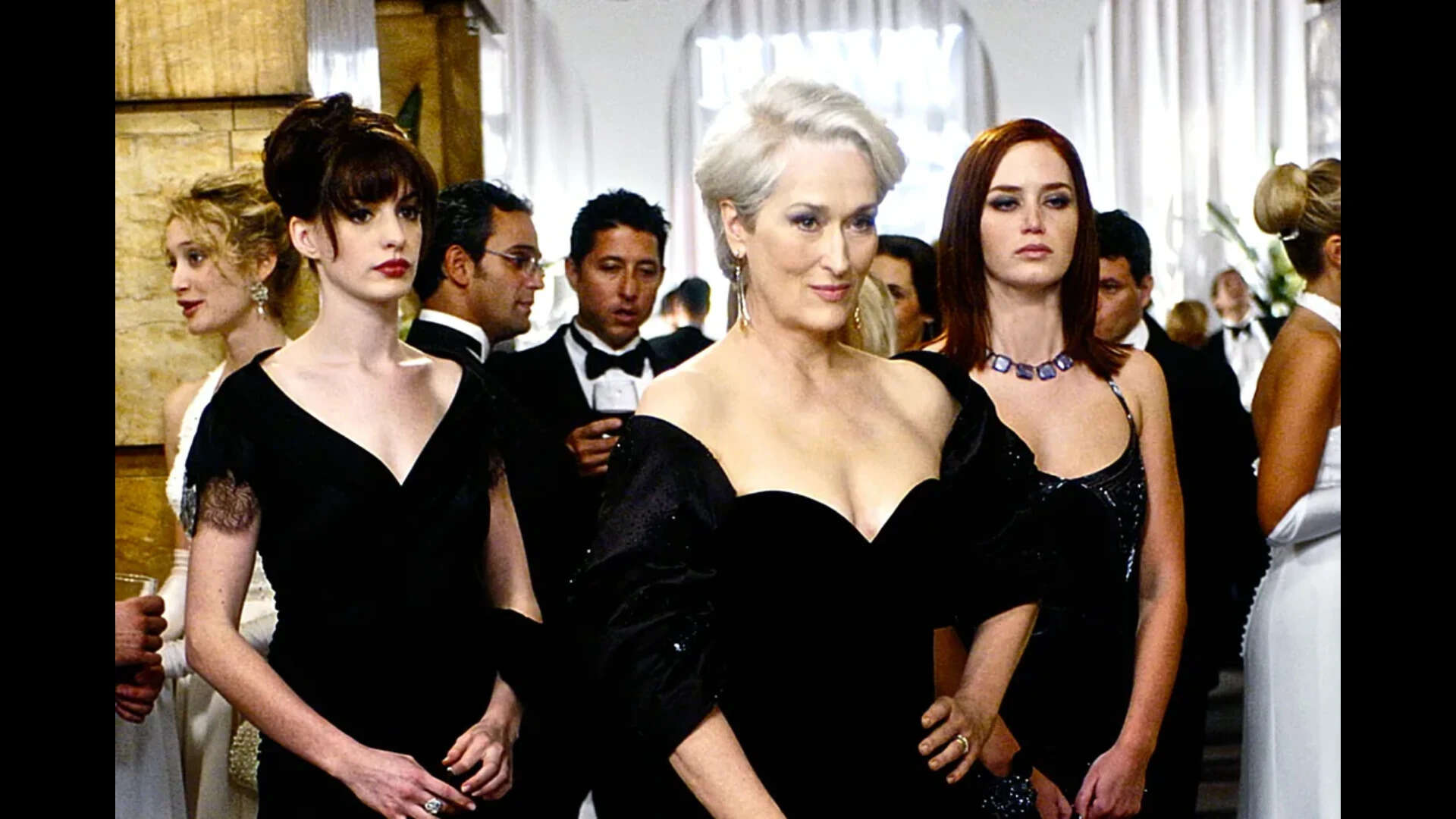
One lesson from The Devil Wears Prada (2006) was the higher up you go, the more you rely on people whose work is rarely acknowledged publicly.
Let’s recall the first installment for a bit before we get into its lessons. Released in 2006, The Devil Wears Prada was an adaptation of the popular 2003 chick-lit novel by the same name, written by American writer Lauren Weisberger. The book was a roman à clef of her experience as an assistant to Vogue editor-in-chief Anna Wintour. It spent six months on The New York Times’ ‘Best Seller List’. By July 2006, The Devil Wears Prada was the best-selling mass-market softcover book in America.
The book, and the 2006 movie, captured a very specific world: glossy fashion media, impossible bosses, and the quiet erosion of personal identity in pursuit of professional success. In India, the Gen-Xers and Millennials, were new to work life, around 2006 when the movie released. Almost everyone, irrespective of gender, could identify with Sach’s character – the reason why the film went on to earn the big bucks.
Bolstered by an open economy in the early 1990s, this was the Generation Cool, that wanted life to work on its own terms, but were hitting a few hard boundary walls that were rigid; but whose time had come to an end.
Weisberger’s book and the film adaptation’s genius lies in encapsulating the zeitgeist of the first decade of the 21st century. It’s been two decades since then. But the movie still feels less like a period piece and more like a handbook for navigating professional lives in 2026 – and not just for youngsters. At times, even experienced people forget the fundamental rules of navigating the minefield that is corporate life.
Part of that endurance of the 2006 film comes from its characters.
Priestly is still the gold standard for the demanding boss archetype – cold, brilliant, and terrifyingly composed. Hathaway’s Andra (Andy) Sachs is every young professional thrown into a world they didn’t train for. Emily Blunt’s Emily Charlton represents ambition sharpened into survival. And Stanley Tucci’s Nigel offers the voice of experience: warm, pragmatic, and ultimately, cautionary.What makes the film still a hot favourite is not its fashion – its clarity about work, ambition, manipulation, compromise, and identity. Here are five professional lessons from The Devil Wears Prada that remain strikingly relevant in 2026.
1. You don’t need to be the smartest person in the room on day one
Andy enters Runway as an outsider, dismissive of fashion and clearly unprepared. She’s not the loudest, not the most stylish, and certainly not the most confident. But she learns fast. In one of the film’s most famous moments, Miranda quietly dismantles Andy’s assumption that fashion is “stuff” by explaining the cultural journey of a cerulean sweater.
It’s not just a monologue – it’s a lesson in expertise. In corporate life, dismissing an industry because it seems superficial is a mistake.
Every field has depth, history, and power structures. You don’t need to be the smartest person in the room on day one. But you do need to respect the room.
2. The higher up you go, the more you rely on people whose work is rarely acknowledged publicly
Miranda’s world runs on precision. Calendars align, flights rearrange, manuscripts sourced, crises averted – all invisibly.
Andy’s transformation into a high-performing assistant is not glamorous; it’s logistical brilliance. Corporate environments still run on this principle. The higher up you go, the more you rely on people whose work is rarely acknowledged publicly. The film forces you to confront how much of “success” is actually built on the backs of invisible efficiency.
The uncomfortable truth: Recognition and contribution are not always proportional.
3. Sustained excellence should not require sustained humiliation
Miranda Priestly is exceptional and ruthless. The film doesn’t flatten her into a villain though; it shows how her excellence coexists with emotional detachment. Tricky to maintain, isn’t it? Modern workplaces still struggle with this distinction. Is a demanding leader pushing you to grow, or simply normalising burnout and fear? The film doesn’t give easy answers, but it makes one thing clear: sustained excellence should not require sustained humiliation.
This lesson has become even more relevant in today’s conversations around workplace well-being and leadership accountability.
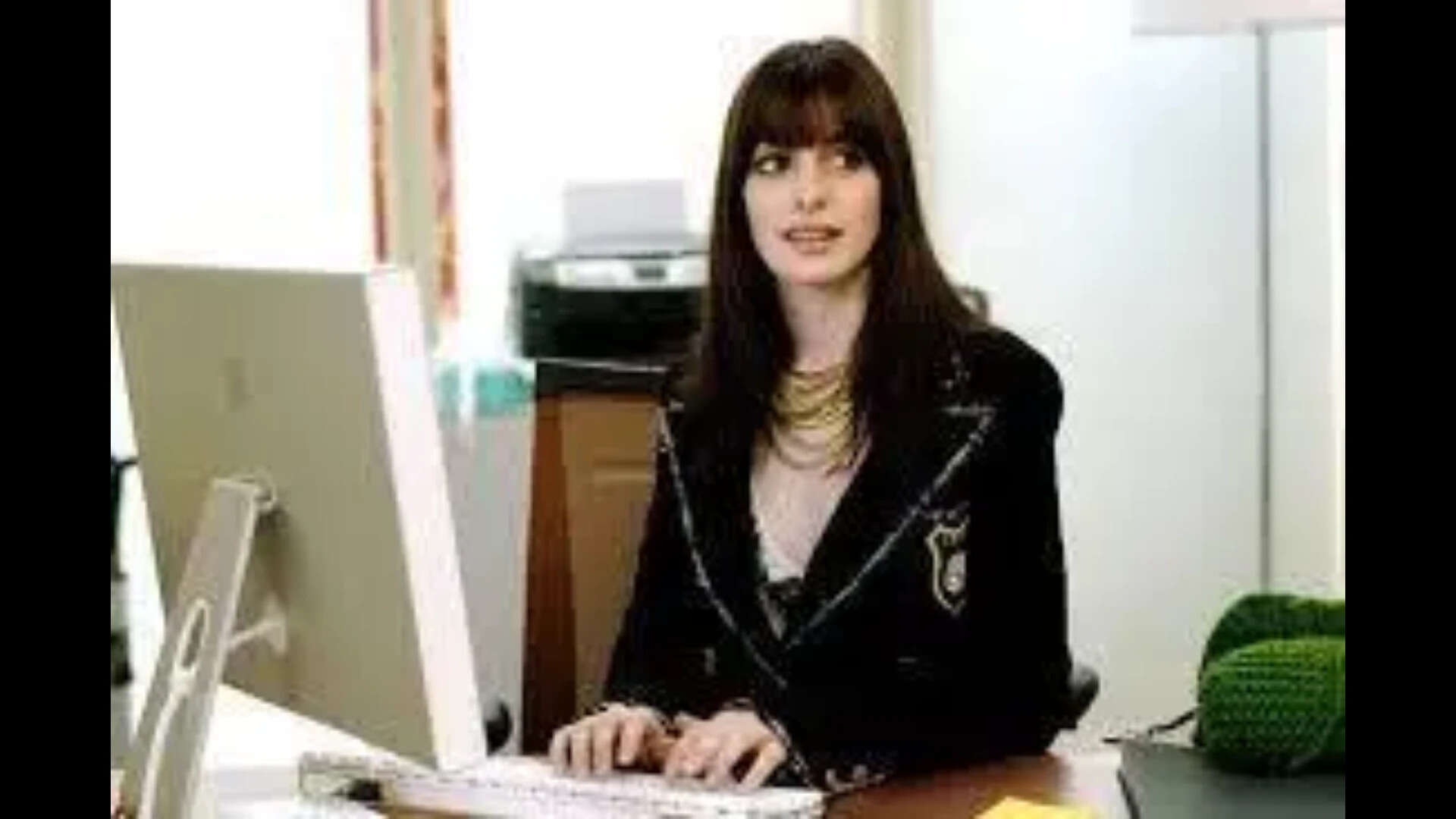
In one of The Devil Wears Prada’s most famous moments, Miranda quietly dismantles Andy’s assumption that fashion is “stuff” by explaining the cultural journey of a cerulean sweater. It’s not just a monologue – it’s a lesson in expertise.
4. Relationships, visibility, and timing matter because decisions are made in rooms where influence outweighs merit
Nigel’s quiet disappointment when he’s passed over for a major opportunity is one of the film’s most devastating moments. It’s not because he lacks talent—he’s deeply respected—but because decisions are made in rooms where influence outweighs merit. Corporate life is not built on meritocracy alone.
In fact, rarely so. Relationships, visibility, and timing matter. The film captures this without cynicism. It simply presents it as reality.
If you ignore networking because it feels transactional, you risk invisibility.
5. Achieving what you set out to do doesn’t guarantee fulfillment
Andy “makes it.” She earns Miranda’s trust, becomes indispensable, and even begins to resemble the world she once mocked. But the closer she gets to success, the more uneasy she becomes. This is perhaps the film’s most enduring corporate insight: achieving what you set out to do doesn’t guarantee fulfillment.
If your work begins to erode your values, no promotion can compensate for that loss. In an era of hustle culture and career acceleration, this lesson feels almost radical.
5 personal lessons that still resonate
1. Growth requires change. The real question is: when does adaptation become loss?
One of the film’s quiet arcs is Andy’s gradual transformation, not just in wardrobe, but in personality. She becomes sharper, more distant, more willing to compromise. Her boyfriend and friends accuse her of “changing,” but the film complicates that accusation.
Growth requires change. The real question is: when does adaptation become loss? Environments shape you more than you think. Choose them carefully.
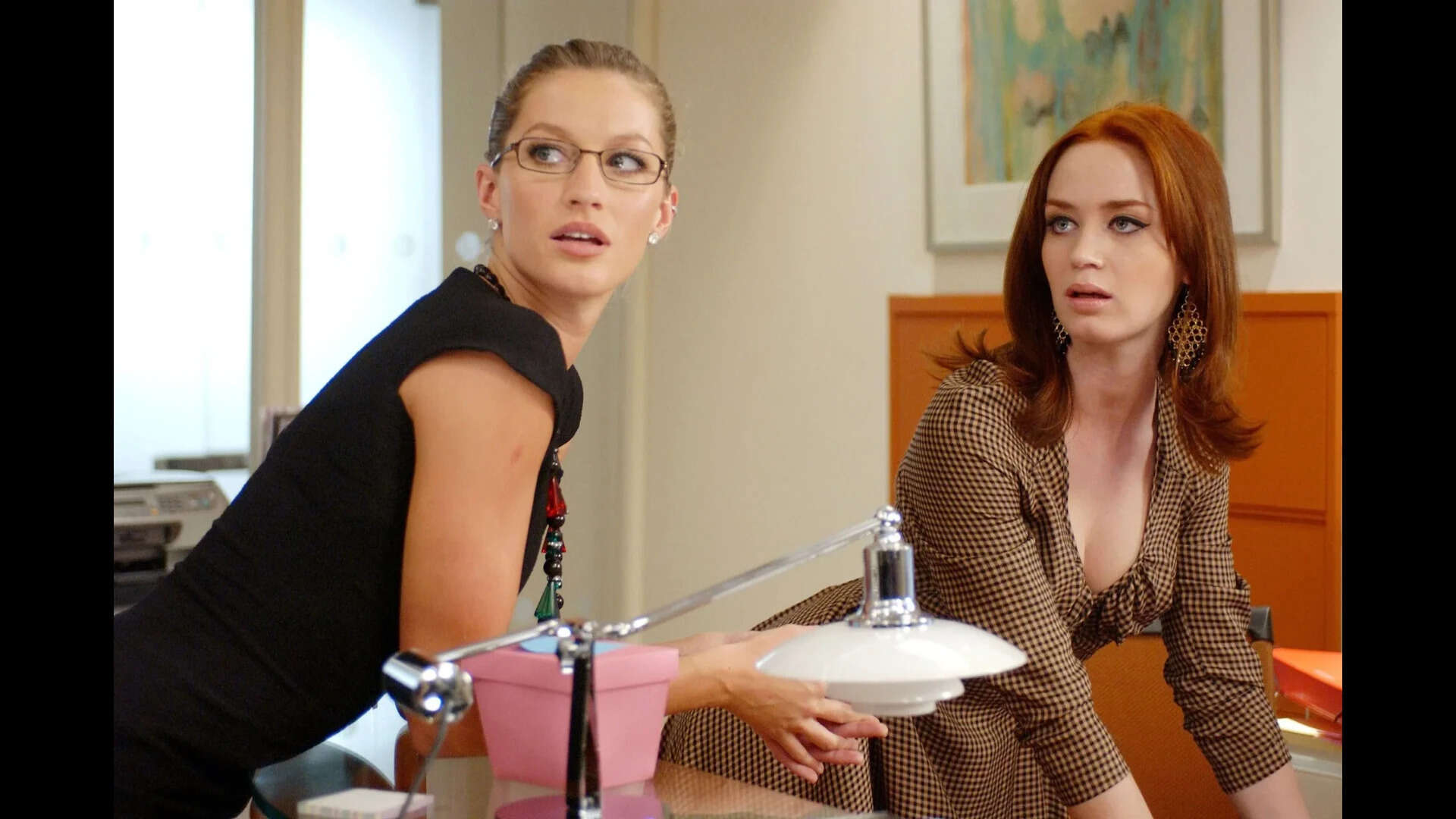
Growth requires change. The real question is: when does adaptation become loss? This is elucidated by Emily Blunt’s character, Emily Charlton, in The Devil Wears Prada.
2. Boundaries are not about rejecting ambition – they are about sustaining it without losing yourself
Andy’s life slowly becomes consumed by work. Late nights, missed birthdays, constant availability—her personal life erodes not through one big decision, but through a thousand small concessions. This feels eerily familiar today. The line between professional and personal life has blurred even further in the digital age.
The film reminds you that boundaries are not about rejecting ambition—they’re about sustaining it without losing yourself.
3. We often become what we once judged
Andy initially resists Miranda’s world. Then she adapts. Then she excels. And at one critical moment, she makes a decision that mirrors Miranda’s own ruthless pragmatism. It’s a chilling realization (watch the first part before going for the sequel): We often become what we once judged. This is not inherently negative—mentorship and modeling are essential—but unconscious imitation can lead you away from your own moral compass.
4. You can learn from someone without becoming them
Miranda is a mentor, whether she intends to be or not. She teaches Andy how to navigate power, how to anticipate needs, and how to survive in a competitive environment. But she also represents a path Andy ultimately rejects. The lesson here is subtle. You can learn from someone without becoming them. Extract the skills, not the identity.
5. Walking away from something misaligned is not weakness, it’s self-respect
The film’s most powerful moment is not Andy succeeding. It’s Andy leaving. She throws her phone into a fountain and walks away from a career many would kill for.
It’s not framed as failure, but as clarity. In a world that equates persistence with virtue, quitting is often stigmatized. But The Devil Wears Prada reframes it: walking away from something misaligned is not weakness—it’s self-respect.
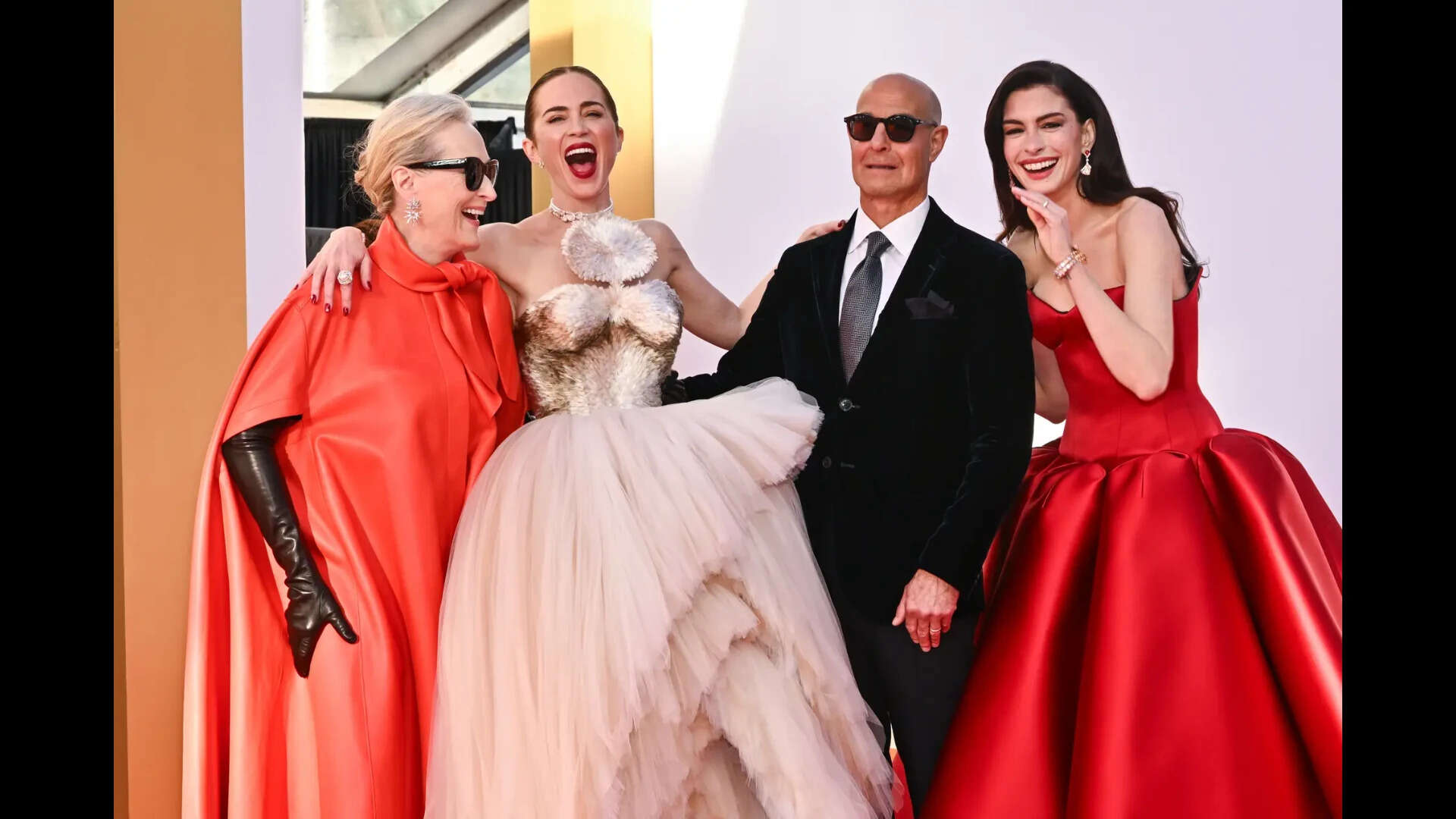
Meryl Streep, from left, Emily Blunt, Stanley Tucci, and Anne Hathaway attend “The Devil Wears Prada 2” world premiere at David Geffen Hall on Monday, April 20, 2026, in New York. (Photo by Evan Agostini/Invision/AP)
Why these lessons are more relevant in 2026
The workplace has changed dramatically since 2006 – remote work, gig economies, AI integration etc. But the human dynamics haven’t shifted nearly as much. Ambition still collides with identity. Power still operates through networks. Excellence still risks tipping into exploitation. And young professionals still enter industries they don’t fully understand, trying to prove themselves. What The Devil Wears Prada understood—long before LinkedIn discourse and corporate wellness initiatives—is that work is never just about work.
It’s about who YOU become while doing it. Miranda Priestly remains compelling not because she’s extreme, but because she’s recognizable. Every industry has a version of her. Every workplace has moments that test how far you’re willing to go.And Andy Sachs remains relatable because her dilemma is universal: how much of yourself are you willing to trade for success? The genius of The Devil Wears Prada is that it doesn’t tell you what the right choice is. It simply shows you the cost of each one. And nearly 20 years later, that’s still the most relevant lesson of all.