
AA
Text Size
- Small
- Medium
- Large
1/10
Which yoga is safe for BP control
High blood pressure rarely makes noise, but it quietly strains the heart, arteries, and kidneys over time. Medication plays a role, but daily habits often decide the long-term outcome. Among these, yoga stands out for one simple reason: it works on both the body and the mind.
Slow breathing, gentle stretches, and mindful pauses can calm the nervous system. That matters because stress hormones often keep blood pressure elevated. A report by the Indian Heart Journal highlights how regular yoga practice can improve cardiovascular health and reduce stress-related spikes in blood pressure.
What makes yoga especially useful is that it does not demand intensity. It asks for consistency and awareness. The poses below are chosen carefully. They avoid strain, sudden inversions, and breath-holding, which can worsen blood pressure.
2/10
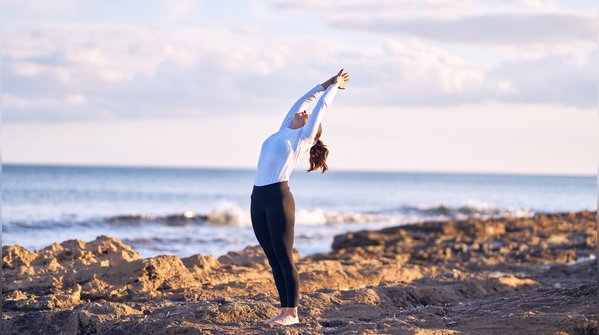
Tadasana (Mountain Pose): starting with stillness
This pose looks simple, almost too simple. But standing tall with awareness can reset posture and breathing.
Stand with feet together, arms relaxed. Slowly raise the arms overhead while inhaling. Keep the gaze forward. Hold for a few breaths, then release gently.
The benefit lies in alignment. When posture improves, breathing becomes deeper and more efficient. That alone can ease pressure on the cardiovascular system.
3/10
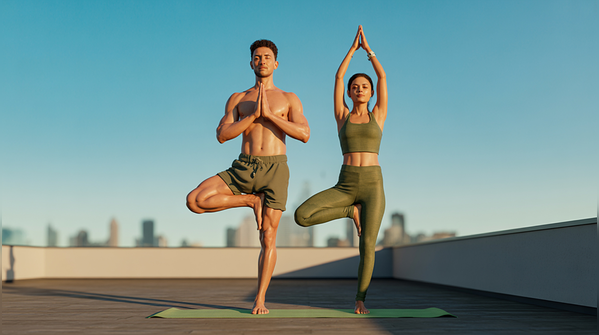
Vrikshasana (Tree Pose): balance without tension
Balance poses sharpen focus and calm mental chatter.
Stand on one leg and place the other foot against the inner thigh or calf. Bring palms together at the chest. Keep breathing slow and steady.
The key here is not perfection. If the body sways, let it. The act of stabilising engages muscles gently and improves circulation without pushing the heart rate too high.
For those with high BP, avoiding strain is crucial. Keep the pose short, about 10-15 seconds per side.
4/10
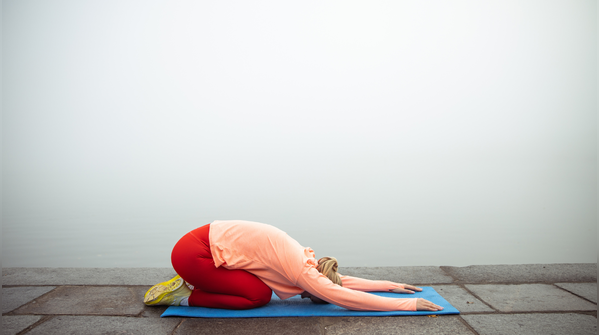
Balasana (Child’s Pose): a reset button
Few poses feel as comforting as this one.
Kneel down, sit back on the heels, and fold forward with arms stretched ahead or resting beside the body. Let the forehead touch the mat.
This position helps reduce heart rate and encourages diaphragmatic breathing. It gently compresses the abdomen, which can support circulation.
A study published by the NIH notes that relaxation-based yoga practices can significantly lower systolic and diastolic blood pressure over time.
5/10
Setu Bandhasana (Bridge Pose): gentle heart opener
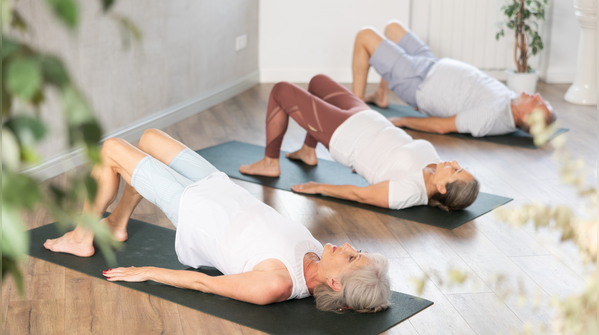
Lie on the back, bend the knees, and place feet hip-width apart. Slowly lift the hips while inhaling. Keep shoulders grounded.
This pose opens the chest and improves blood flow. It also strengthens the back without overexertion.
However, the lift should be mild. There is no need to push the body high. The goal is circulation, not intensity.
6/10
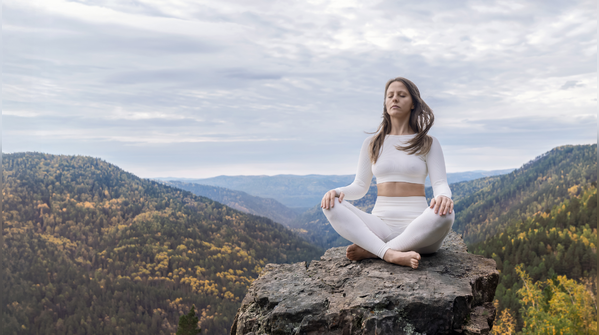
Sukhasana with deep breathing: the underrated practice
Sometimes, the most effective pose is simply sitting still.
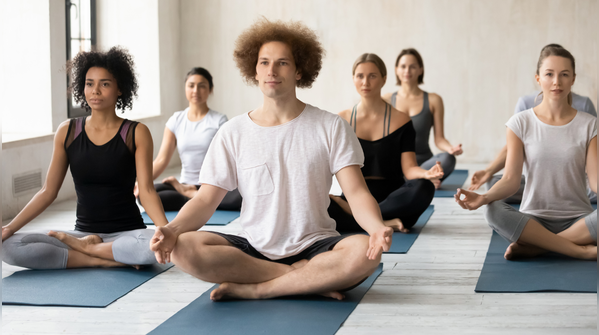
Sit cross-legged, keep the spine straight, and rest hands on the knees. Focus on slow inhalation and longer exhalation.
This is where the real shift happens. Slow breathing activates the parasympathetic nervous system, which lowers heart rate and relaxes blood vessels.
The National Institutes of Health (NIH) also reports that controlled breathing techniques can help reduce blood pressure when practised regularly.
7/10
Ardha Matsyendrasana (Seated Twist): circulation booster
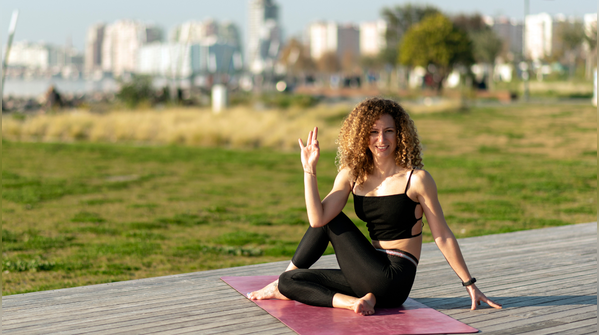
Sit with legs extended. Bend one knee and cross it over the other leg. Twist the torso gently toward the bent knee.
Twists help improve spinal flexibility and may aid digestion and circulation. But the movement must stay soft.
Avoid deep twists or holding the breath. A gentle turn with steady breathing is enough.
8/10
Shavasana (Corpse Pose): where the body truly learns
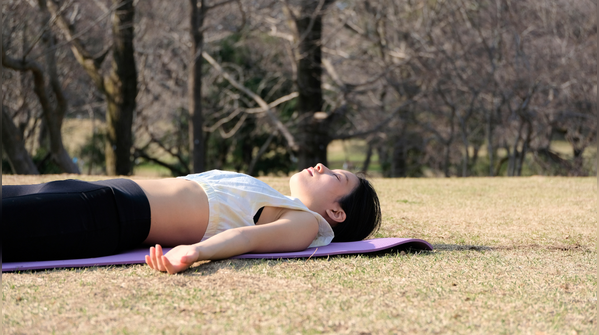
Lie flat on the back, arms relaxed, eyes closed.
It may look like rest, but it is an active process. The body absorbs the benefits of the session here. Muscles relax, breathing slows, and the mind settles.
Skipping this pose is like reading a book and closing it before the last page. It completes the practice.
9/10
Practising safely: what actually matters
Yoga for high BP is not about flexibility. It is about control.
Avoid holding the breath. Skip fast transitions. Stay away from advanced inversions like headstands. Keep movements slow and intentional.
Even 15-20 minutes daily can create change, but only if done consistently.
10/10
Disclaimer
This article is for informational purposes only and does not replace medical advice. Individuals with high blood pressure or other health conditions should consult a qualified doctor or certified yoga instructor before starting any new exercise routine.
Follow Us On Social Media