
AA
Text Size
- Small
- Medium
- Large
1/9
8 condiments you should never keep back in the refrigerator once opened
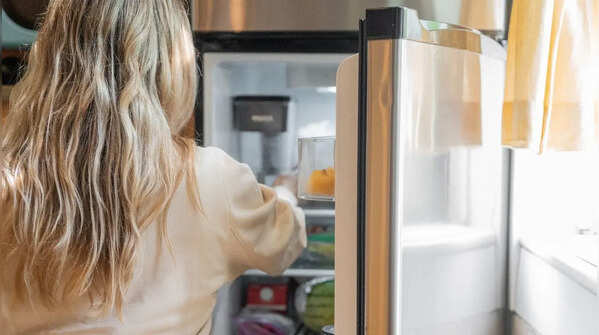
Many of us default to storing groceries in the refrigerator immediately after shopping, assuming it is the only way to prevent spoilage. However, for certain items, refrigeration is unnecessary; in fact, it can actively degrade product quality or render items difficult to use by altering their texture and possibly make it difficult to use if the item was originally intended for shelf storage only. Examples of common condiments that have been developed to be shelf-stable include peanut butter, honey, and mustard. While these items are kept in the refrigerator, they may lose their texture or crystallise. Below are common condiments that are shelf-stable. All of these will remain safe and easily used from the pantry.
2/9
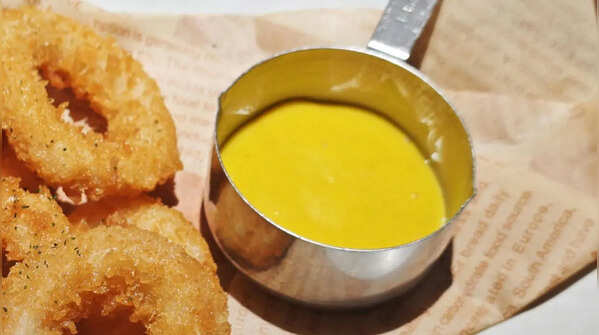
Mustards
Classic mustards are made from mustard seeds, vinegar, salt, and different spices and are stable at room temperature. The vinegar acts as an acid to kill bacteria due to the high levels of acidity, and mustard seeds also have natural antimicrobial properties, which create an environment where bacteria do not thrive. Although many individuals store their mustard in the fridge to slow down the oxidation process and keep it fresh for a more extended period, it is not a requirement for food safety. Yellow or Dijon-style mustard can remain in good condition in your pantry for months or even years.
PC: Canva

3/9
Vinegar
Vinegar is one of the easiest condiments to store, owing to its natural acidity, which inhibits the growth of both bacteria and mould. It is thus considered ‘self-preserving,’ and its shelf life is virtually indefinite. Regardless of the type of vinegar (for example: white distilled, apple cider, balsamic, or rice wine), they should all be stored in an area protected from light (i.e., dark cupboards). While vinegar may sometimes develop minor changes in appearance (e.g. cloudiness or sediment), these changes do not degrade the quality or safety of consuming the product.
PC: Canva

4/9
Worcestershire sauce
Worcestershire sauce is an extremely flavorful condiment which is often kept in the pantry or cupboard; there is no need to keep it in the refrigerator. The ingredients of Worcestershire sauce (primarily vinegar and salt) create a very acidic and highly saline environment, thereby preventing bacteria from growing. Refrigeration is generally a recommendation made by some manufacturers, often found on bottle labels – intended to maintain peak flavour rather than guarantee safety. Worcestershire sauce at its peak flavour profile, not as a necessity for safety. When stored in a cool, dark environment away from heat and sunlight, Worcestershire sauce has an ideal shelf life of about two years.
PC: Canva

5/9
Olive oil
The refrigerator is the worst place to store olive oil, despite what most people think. The cold will cause olive oil to become cloudy and eventually hard, and will cause you a lot of grief every time you need to use olive oil for cooking. Taking olive oil out of the pantry and putting it in the refrigerator multiple times will also decrease the overall quality of the olive oil. To ensure optimal flavour and consistency, it is best to keep olive oil in a cool, dark cupboard (free from the adverse effects of light and heat).
PC: Canva
6/9
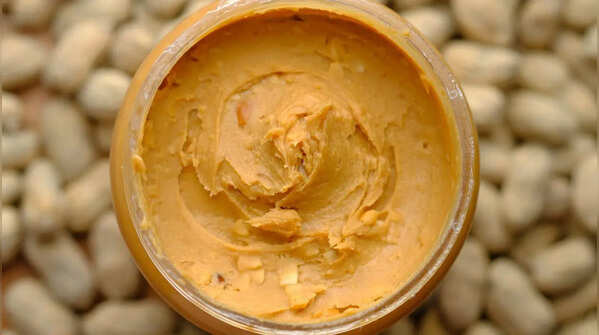
Peanut butter
Most store-bought peanut butter brands contain stabilisers added by the manufacturers to prevent the separation of peanut oil. The stabilisers also help keep the peanut butter fresh and do not need to be refrigerated to do so. Peanut butter is generally soft and easily spread on bread when stored at room temperature, as opposed to when it is refrigerated and cold, making it difficult to scrape the butter out of a jar as the texture becomes dense and difficult to spread. The only peanut butter without any additives should be refrigerated to prevent the peanut oil from becoming rancid.
PC: Canva
7/9
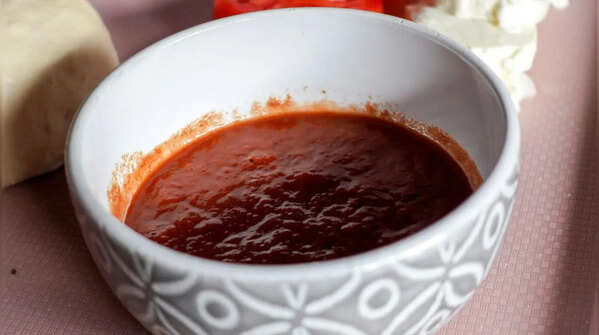
Hot sauce
Vinegar-based hot sauces can last for a long time without being refrigerated. The vinegar and salt, along with the chilli peppers, make an acidic environment where bacteria cannot survive. Therefore, you can rest assured that these bottles will remain shelf-stable for months in your pantry.
The only exception might be if the hot sauce was made with fresh produce or has little to no acidity, then it could benefit from refrigeration. For most types of hot sauces, the pantry works well and will keep your sauce in a pourable form.

8/9
Honey
Honey is one of those rare ‘superfoods’ that can last indefinitely on the shelf at room temperature because it is a high concentration of sugar with no moisture content, so it creates an inhospitable environment for bacteria. Therefore, refrigerating honey is actually not recommended. Refrigeration actually speeds up the natural process whereby the honey crystallises. If you want to hold onto your honey in the best possible, most usable form, always keep honey in a cool, dark cupboard and at room temperature.
PC: Canva

9/9
Coconut oil
Because of the very low moisture content of coconut oil, it is not prone to growing bacteria. Therefore, coconut oil is stable at room temperature and does not require refrigeration. Refrigerating coconut oil is also not a good idea because cold coconut oil will solidify into a solid block and be extremely difficult to scoop or measure for baking or cooking purposes. If you keep your coconut oil in a cool, dark pantry, it will remain soft and pliable and will always be ready for use for cooking or for skin care.
PC: Canva
Follow Us On Social Media


