
TIMESOFINDIA.COM / Apr 18, 2026, 19:00 IST
AA
Text Size
- Small
- Medium
- Large
1/8
7 factors driving real estate growth in India’s non-metro cities
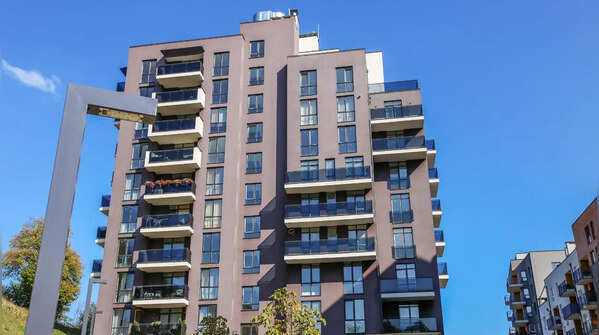
India’s real estate growth is no longer limited to the big metros. Tier-2 and Tier-3 cities are increasingly becoming attractive because they combine lower living costs with rising economic activity, expanding infrastructure, and stronger public investment in urban development. There is a clear shift in both housing demand and business interest toward these markets.
Below are some key factors that contribute to real estate growth in Indian non-metro cities.
2/8
Better infrastructure and connectivity
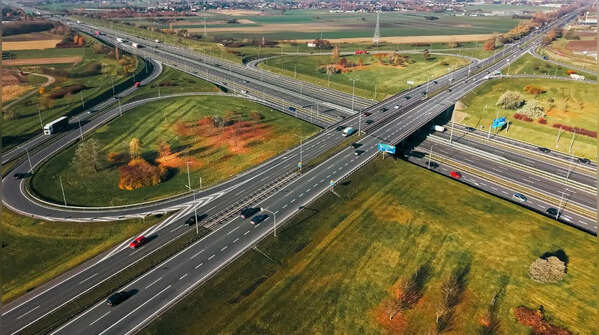
A major reason non-metro cities are growing is improved physical infrastructure. New roads, transport corridors, urban upgrades, and better planning are making these cities easier to live in and invest in.

3/8
Lower property prices and cost of living
Affordability remains one of the strongest drivers. Tier-2 cities generally offer a lower cost of living than Tier-1 cities, which naturally widens the buyer base. For many families and first-time buyers, non-metro markets make ownership more realistic, while investors see a chance to enter at lower prices and benefit from future appreciation.

4/8
Rising job creation and business expansion
Employment growth is pulling housing demand into smaller cities. Tier-2 and Tier-3 cities are fostering MSMEs (Micro, Small, and Medium Enterprises), creating employment, and supporting regional development across sectors such as manufacturing, IT, and operational services. Global Capability Centres (GCCs) are expanding into emerging Indian cities, bringing more professionals, demand for homes, and stronger commercial activity.

5/8
Government support and policy push
Public policy has given non-metro cities a strong boost. This includes the Smart Cities Mission, which aims to strengthen 100 non-metropolitan cities, and the Urban Infrastructure Development Fund, which supports urban infrastructure in Tier-2 and Tier-3 cities. These initiatives improve livability and create a more reliable environment for real estate growth.

6/8
Digital infrastructure and remote work culture
The digital shift has changed where people can live and work. Reverse migration, supported by improved digital infrastructure, is sustaining demand in hometown markets. That matters for real estate because professionals can now choose smaller cities without giving up career opportunities, especially as telecom, broadband and digital services continue to expand.
7/8
Growth around suburban and peri-urban belts
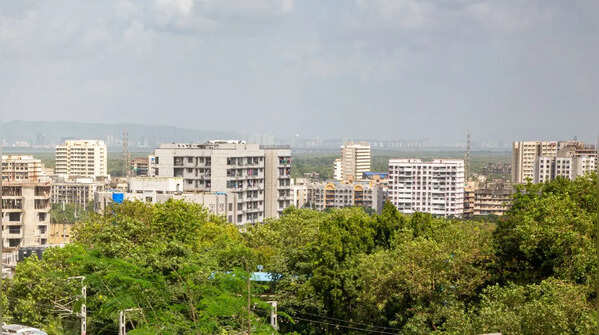
Real estate demand is not just rising inside city limits; it is also spreading outward. This growth is increasingly concentrated in urban fringes, with peri-urban belts becoming important nodes of residential, industrial and logistics activity. This opens up new housing and commercial markets around non-metro cities.
8/8
Strong long-term investment potential
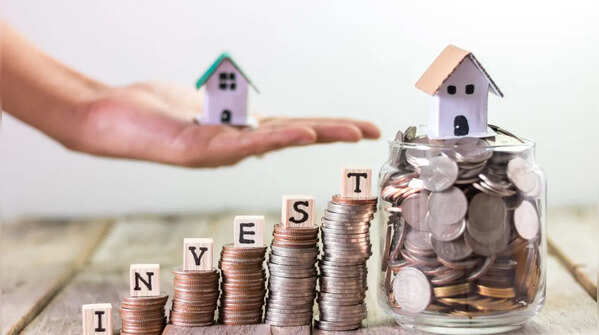
The expansion into emerging cities reflects a long-term structural shift rather than a passing trend. Rising housing demand, rapid urbanisation, and increasing office space requirements in Tier-2 and Tier-3 markets are collectively strengthening these regions as real estate hubs. This powerful combination drives sustained growth and supports long-term value creation for investors and developers alike.
The rise of India’s non-metro cities shows how real estate growth is becoming more distributed and inclusive. These markets are no longer seen as alternatives to metros; they are becoming growth centres in their own right. With stronger connectivity, rising employment, and continued policy support, their role in India’s property future is likely to keep expanding.
All Image Credits: Canva
Follow Us On Social Media

