
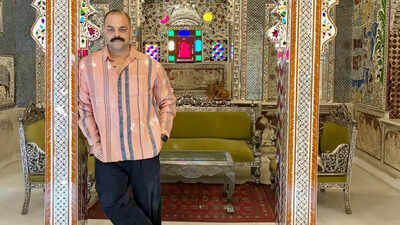
Vipul Shah breathes new life into vintage textiles within a 17th-century Udaipur haveli, transforming his family’s Ahmedabad-based Ganesh Emporium. He masterfully reinterprets heirloom fabrics into contemporary designs, most notably the iconic Banjara Clutch, preserving craft and supporting a vast network of artisans.
In the intricate paths of Udaipur city, where time seems to stand still in the ornately decorated walls and sun-warmed courtyards, there is a grand but silent relic: a 17th-century haveli that currently houses Ganesh Emporium.
Inside, history is not merely maintained, but re-interpreted, re-stitched and re-imagined through the eyes of Vipul Shah, a proponent of vintage textiles and a storyteller through cloth, art, artifacts, sculpture, and more.
A Legacy Woven Across Generations
The story of Ganesh Emporium does not start in Udaipur but in Ahmedabad where Shah’s grandfather laid its foundations in the 1950s and 60s. “My grandfather was an accountant, but he also sourced textiles for some of the most prominent families,” Shah recalls.
What began as a parallel interest soon transformed into a lifelong pursuit of collecting rare and indigenous textiles—from the intricate weaves of Kutch to influences drawn from Central Asia.Originally hailing from the Mewar region, the family had migrated for economic opportunity, but their cultural roots remained intact. Over decades, their collection expanded quietly, guided not by trends but by instinct and appreciation.
“We never advertised, never hired a PR agency,” Shah says. “Our growth was entirely organic—word of mouth and a deep understanding of textiles.”By the mid-1980s, the family shifted base and opened a modest 100-square-foot store. Today, that humble beginning has evolved into an expansive legacy, both in scale and significance.
The Haveli as a Living Archive
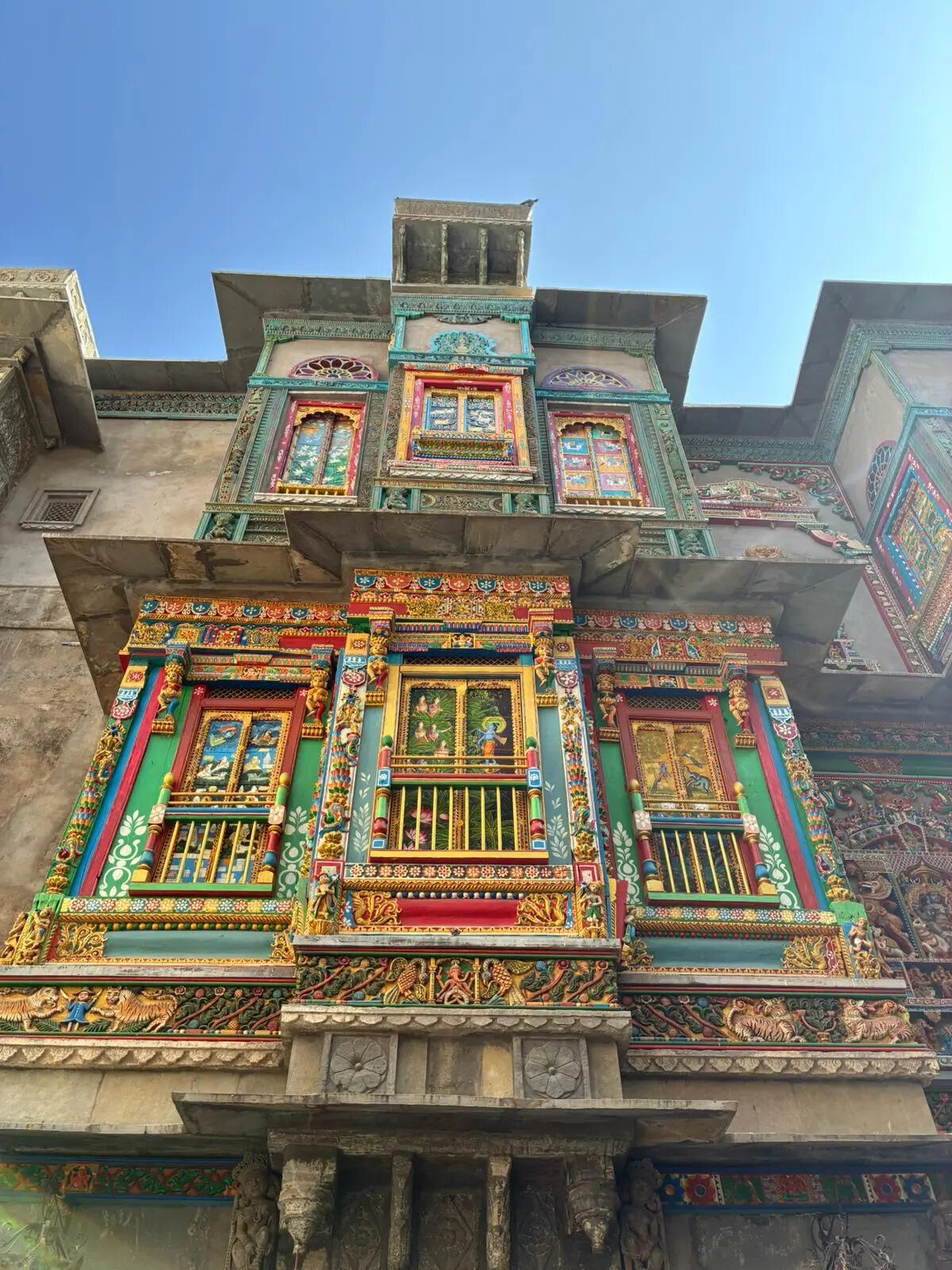
The move to Udaipur marked a turning point—not just geographically, but philosophically.
The haveli that houses Ganesh Emporium today was acquired over 25 years ago in a near-ruinous state. “The building was literally shaking when we bought it,” Shah admits. What followed was not renovation, but a painstaking restoration.“Each and every detail had to be carefully restored using traditional lime and mortar techniques,” he explains. Even today, parts of the structure continue to be revived by skilled artisans, ensuring the haveli retains its architectural integrity.The result is more than a store—it is a living archive, spread over 100 rooms and 30 galleries with arched doorways, frescoed walls, and sunlit courtyards that create an immersive experience where textiles and art do not just hang; they converse with the past.
From Heirloom Textiles to Contemporary Design
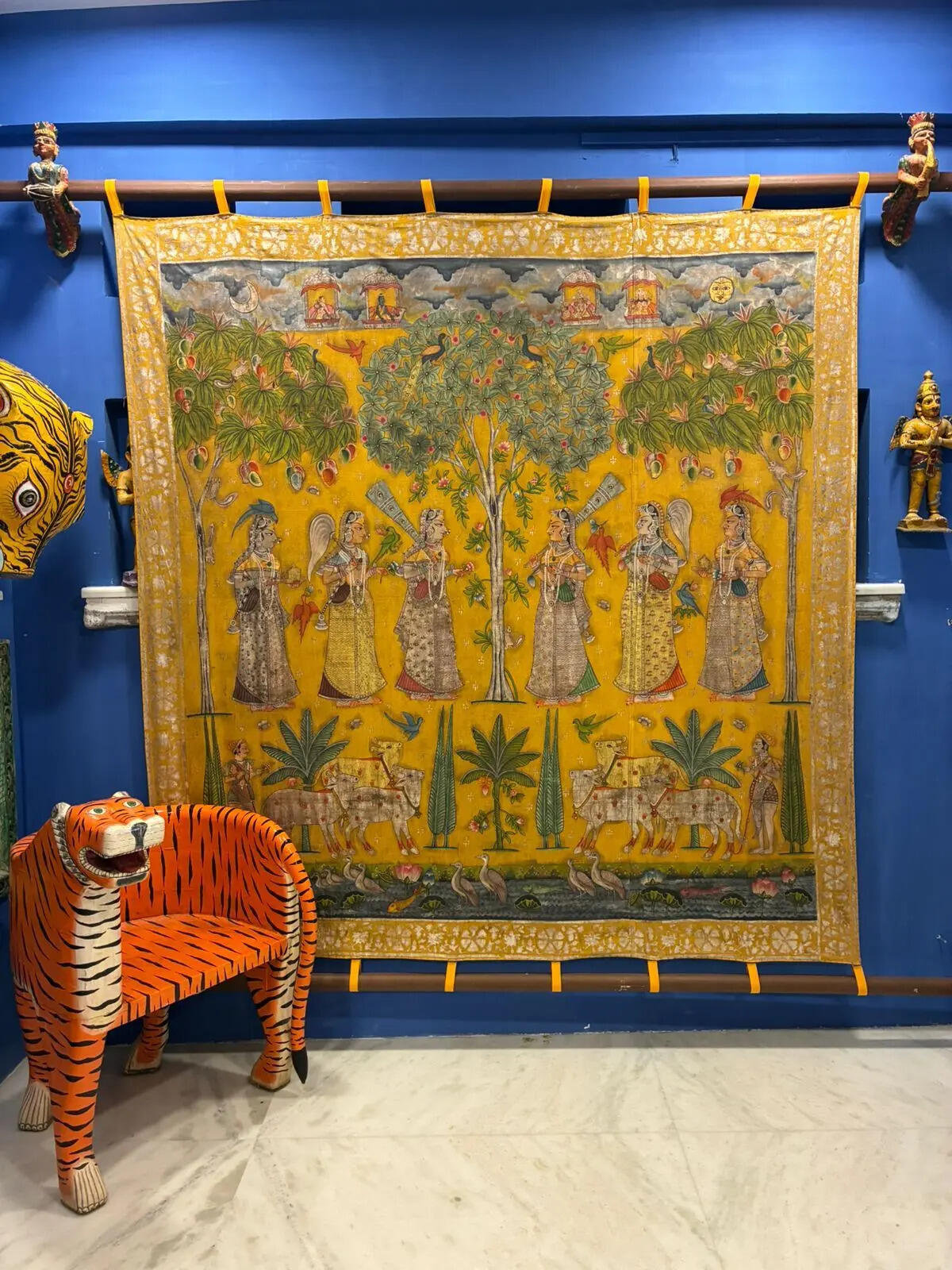
When Shah joined the family business in 2009 after studying international business, he found himself at a crossroads. “There was an identity crisis,” he says candidly.
“I wanted to create something of my own.”What emerged was a brand that would bridge heritage and modernity. Using discarded or damaged vintage textiles from his grandfather’s collection, Shah began experimenting with patchwork techniques. “These fabrics were in bad shape, but I saw potential,” he says.After initial trials with home décor items, his first collection of bags found resonance in 2012. “The first batch became quite popular,” he recalls, crediting both timing and intuition.
Instagram had just emerged as a visual platform, and Shah leveraged it organically to showcase his work.
The Icon: Banjara Clutch
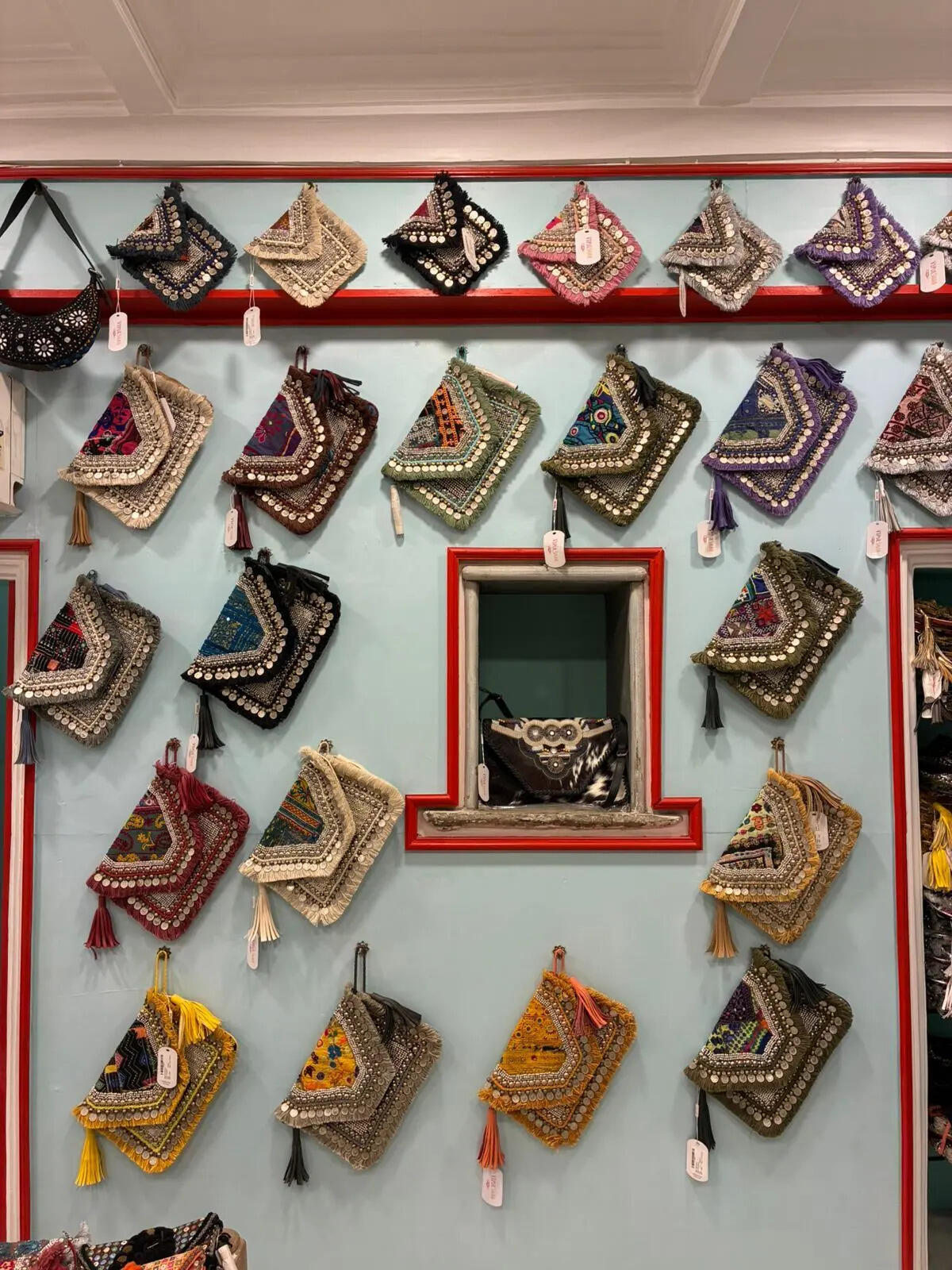
Among his creations, the Banjara Clutch stands as emblematic. “It’s our most signature design,” Shah notes. Inspired by vintage Afghan textiles, the clutch features coins, beadwork, and embroidery, reinterpreted into a contemporary silhouette.“I’ve always been obsessed with larger formats,” he says, smiling.
“The idea was to take something traditional and give it a modern hardware finish.”Each piece is unique, a result of limited vintage fabric availability. Some batches take months, others up to half a year. “The accessibility of these textiles has reduced drastically,” Shah explains. “Earlier, they were made in abundance. Now, handwork itself is becoming rare.”
Craft, Community, and Continuity
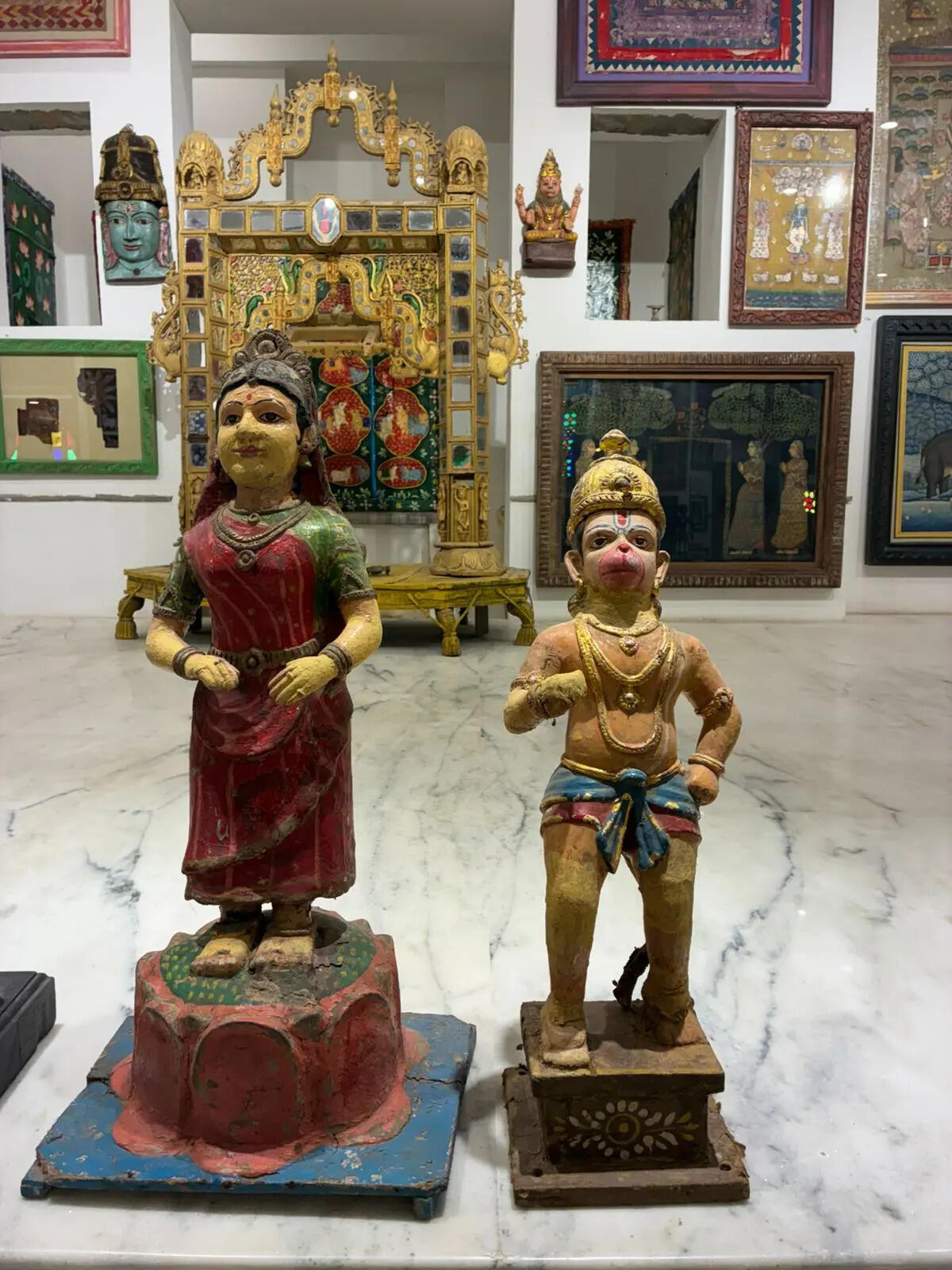
Beyond aesthetics, Shah’s work sustains a vast network of artisans.
Sourcing primarily from regions like Barmer, Jaisalmer, and surrounding border areas, the brand engages with nearly 15–20 clusters of villages.“In the villages and our production units, we work with hundreds of artisans,” he shares. Techniques like adda embroidery—done on flat wooden frames—continue to thrive through such collaborations.This ecosystem is central to the brand’s ethos. “It’s not just about making products,” Shah says.
“It’s about preserving a way of life.”
A Brush with the Spotlight
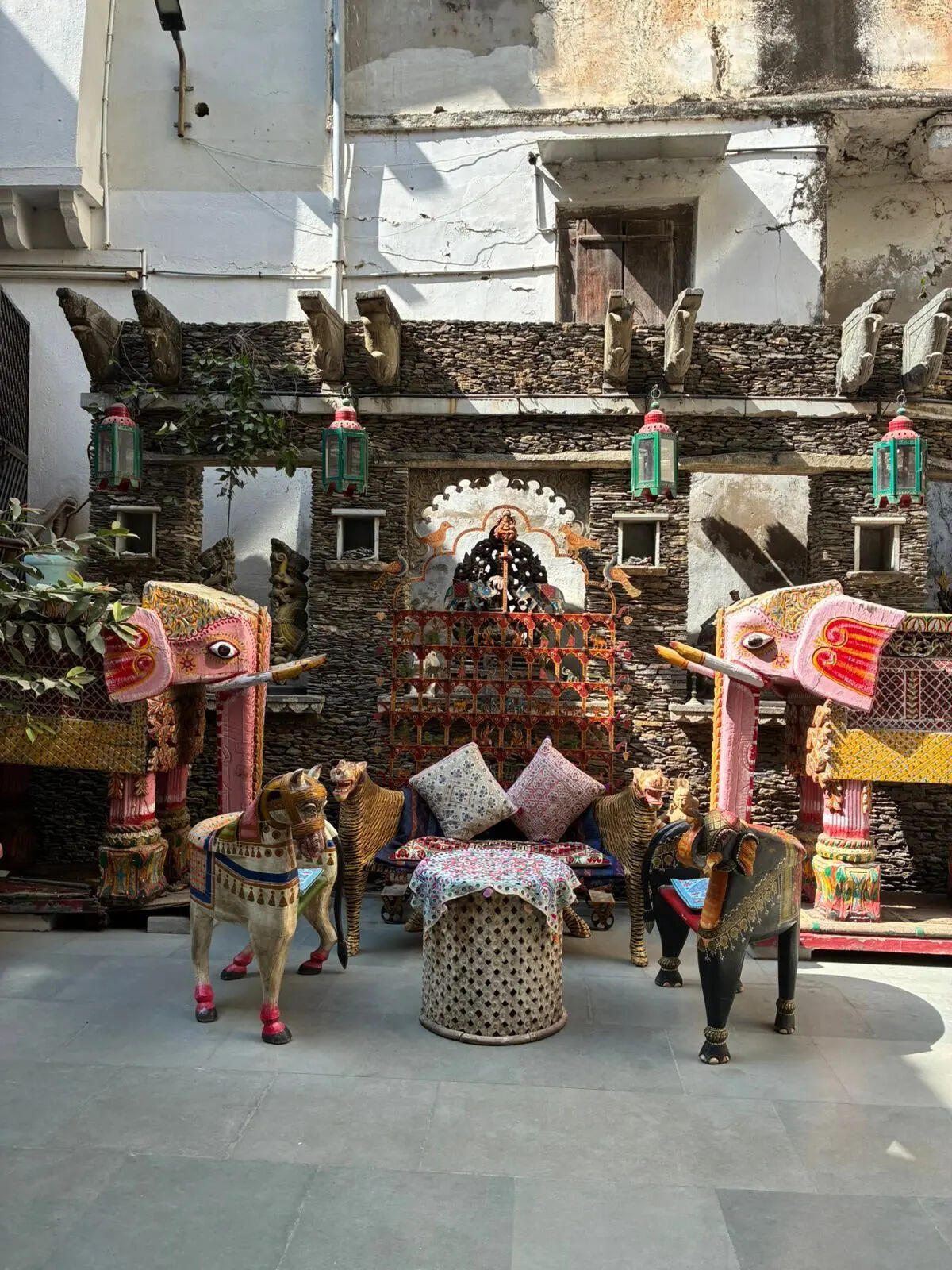
While Ganesh Emporium built its reputation quietly, Shah’s designs eventually found their way into the limelight. Early international clientele gave the brand a global edge, but it was a moment closer home that sparked widespread recognition.“One of my pieces was worn by Malaika Arora,” he says. “And overnight, everything changed.” The exposure opened doors to film projects, including styling contributions to Dhadak, Judwaa 2, and the Netflix series Fabulous Lives of Bollywood Wives.Yet, Shah remains measured in his approach. “At times we do custom orders, but I prefer sticking to what I create,” he says. The focus remains on authenticity rather than mass appeal.
Slow Move in a Fast World
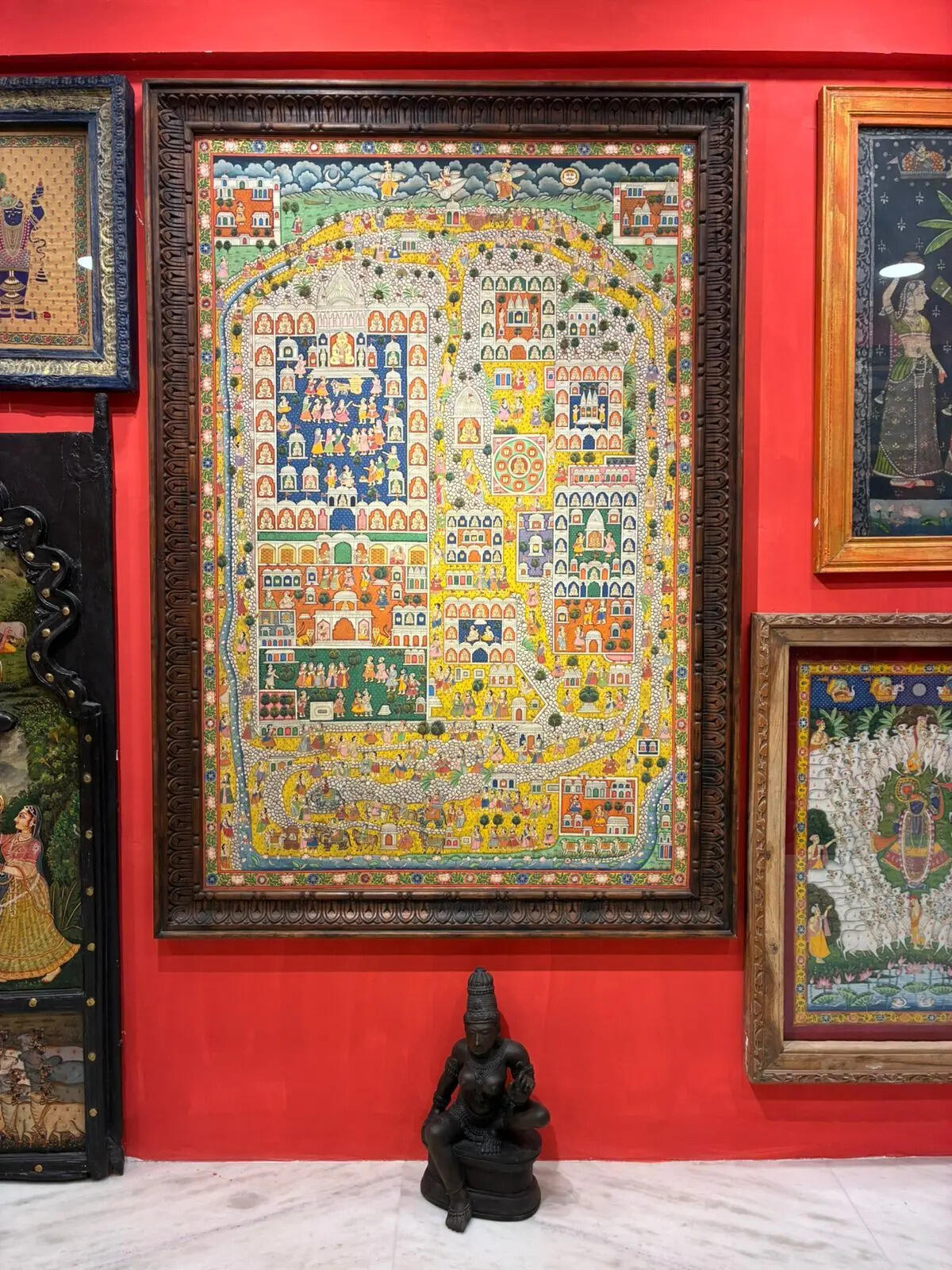
In an era driven by seasonal drops and rapid consumption, Shah’s philosophy stands apart. “We don’t follow seasons or collections,” he explains. “We take things slowly and organically.”This deliberate pace extends to the brand’s marketing—or lack thereof.
Having stepped back from exhibitions and multi-designer stores, Shah emphasizes experience over visibility. “We want people to come, to experience the space and the story,” he says.It is a rare stance in today’s market, but one that aligns with the ethos of both the haveli and the heritage it houses.
Reframing Value and Perception
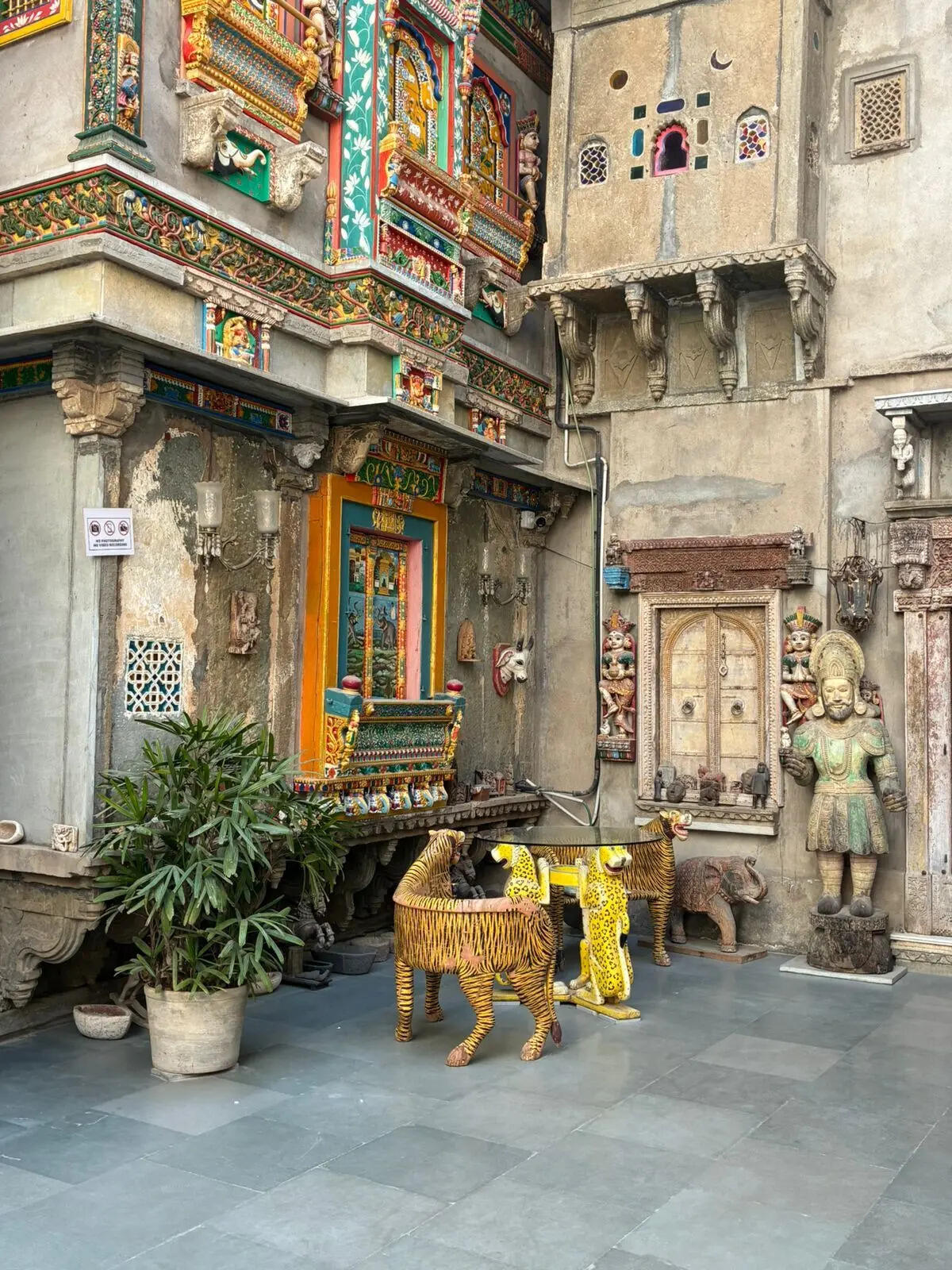
Working with vintage textiles comes with its own challenges. “Sometimes people mistake our fabrics for something they’ve seen in street markets,” Shah admits.
“But there’s a huge difference in how we source, restore, and reinterpret them.”The beauty of these textiles, he insists, lies in their imperfection. “The more they wear out, the more beautiful they become. Like a well-worn denim—it tells a story.”
Looking Ahead: A Global Narrative Rooted in India
Today, Ganesh Emporium stands at the intersection of past and present, local and global. “For me, the biggest pride is seeing people across the world carry Indian heritage,” Shah reflects. “We are often drawn to the West, but when they embrace our culture, it feels incredibly rewarding.”In the quiet corridors of a centuries-old haveli, where every thread holds memory, Vipul Shah is not just preserving history—he is ensuring it lives on, beautifully, in the present.