
International Earth Day: Women lead water revolution in Rajasthan’s Kotri
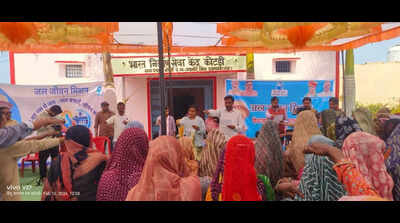
Jaipur: In a state battling water scarcity, erratic rainfall and long dry spells, a small tribal village, Kotri, is quietly showing what sustainable change looks like. This Earth Day, the village stands out not just for getting water, but for learning how to sustain it.Home to around 4,000 people, Kotri has seen years of water distress. Summers meant dry wells, failing hand pumps and long, uncertain days. In the worst years, some families even migrated temporarily in search of water and work.Until recently, the village depended on 21 hand pumps, many of which ran dry or supplied contaminated water. That changed with the rollout of the Jal Jeevan Mission, which brought tap connections to every household.
Kotri was declared a “Har Ghar Jal” village in Oct 2023.The bigger shift came after the infrastructure was put in place. “The tap connection came and the source was created, but we realised it’s up to us to keep it running,” said Alka, a resident.At the centre of this effort is the village water and sanitation committee (VWSC), where women are taking the lead. From monitoring pipelines and fixing leaks to maintaining accounts and ensuring no household is left out, women are driving the system on a daily basis.
The change is visible in everyday life.Earlier, women spent hours fetching water. Now, that time is being used more productively. “I stitch clothes now and earn for my family,” said Suneeta Kumari, who started working from home.Reliable water has changed the village landscape. Kitchen gardens have come up, more trees are being planted, and the green cover is slowly improving, something rare in water-stressed areas.The benefits go beyond livelihoods. Access to clean water has improved health, reduced daily stress and allowed children, especially girls, to spend more time in school.What makes the system sustainable is its financial model. Every household contributes a monthly user fee, which is used for operations and maintenance, including pump repairs and emergencies. This ensures the supply continues without disruption.The initiative has received technical support from UNICEF, helping strengthen systems for long-term sustainability.