

Starting your day with a dry mouth isn’t merely an inconvenience – it could point to significant health concerns beyond dehydration. Sleep specialists note that mouth breathing, conditions such as sleep apnea, and the side effects of certain medications may contribute to this issue, as well as conditions like diabetes and Sjögren’s Syndrome.
Many people wake up, sip some water, and move on with their day. But when the mouth feels dry every single morning, the body may be trying to signal something deeper.Morning dry mouth may seem minor, yet it often reflects changes in hydration, breathing patterns, medications, or underlying health conditions.
Saliva plays a quiet but powerful role in keeping the mouth, teeth, and digestive system healthy.
When that balance is disturbed night after night, the effects can reach beyond simple discomfort.Doctors say that understanding the reason behind persistent dry mouth can help prevent oral health problems and uncover medical conditions early.
Why saliva matters more than most people realise
Saliva does far more than keep the mouth moist. It protects teeth, supports digestion, and maintains the natural balance of bacteria in the mouth.
Dr Aravinda S N, Lead Consultant – Internal Medicine at Aster RV Hospital, explains the importance clearly, “People who wake up every morning with dry mouth face a problem that appears small but actually serves as an indication of deeper health issues. The medical term for dry mouth which people commonly call dry mouth refers to Xerostomia which happens when salivary glands fail to generate sufficient saliva for keeping the mouth hydrated.”
Saliva helps wash away food particles and neutralise acids produced by bacteria. Without it, the mouth becomes vulnerable to cavities, gum inflammation, infections, and persistent bad breath.The US National Institute Health has also highlighted the protective role of saliva in oral health. Their research explains how reduced saliva production increases the risk of tooth decay and oral infections.
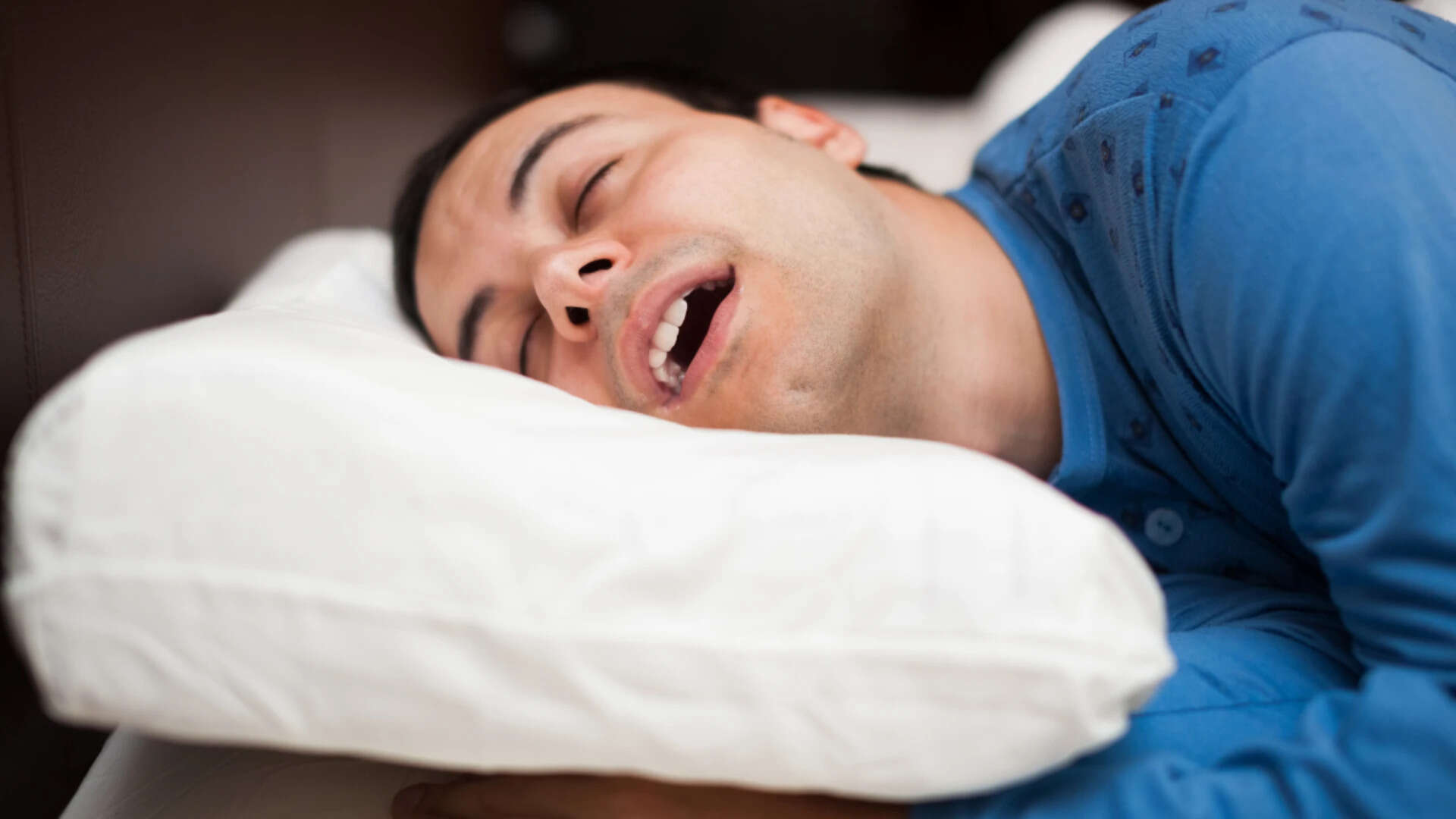
When saliva production drops, the risk of cavities, infections, and sleep-related problems rises.
When dehydration is only part of the story
Lack of fluids during the day is one of the most common reasons for waking up with a dry mouth.
High caffeine intake, alcohol consumption, and hot weather can worsen dehydration overnight.However, persistent dryness often points to other contributing factors.According to Dr Aravinda S N, dehydration may be the first trigger, but it is not always the main one.“Dehydration stands as the primary cause which leads people to experience dry mouth during sleep because they fail to drink enough water throughout the day while drinking too much caffeine and alcohol.”The body loses fluids during sleep through breathing and natural metabolic processes. If hydration levels are already low, the mouth becomes noticeably dry by morning.Yet when dryness happens daily even after drinking enough water, other explanations should be explored.
Night-time mouth breathing can silently dry the mouth
Many people unknowingly breathe through their mouths during sleep. This habit dries oral tissues throughout the night.Nasal congestion, allergies, sinus infections, and a deviated septum often push people to breathe through the mouth instead of the nose.Dr Aravinda notes that this pattern is more common than most people realise.“People who experience persistent morning mouth dryness need to investigate whether they breathe through their mouths during nighttime sleep. People who suffer from nasal congestion or allergies or sinus issues tend to breathe through their mouths at night which causes their oral tissues to become dry.”Over time, this breathing pattern can irritate the throat, increase dental problems, and disrupt sleep quality.
Dry mouth may also be linked to sleep disorders
In some cases, persistent dry mouth may point toward a sleep-related breathing disorder.One of the most common examples is obstructive sleep apnea, a condition in which breathing repeatedly stops and starts during sleep. These interruptions often lead to mouth breathing and disturbed sleep.The US National Heart, Lung, and Blood Institute explains that sleep apnea affects millions of adults worldwide and often goes undiagnosed.Dr Aravinda explains the connection, “People with Obstructive Sleep Apnea lose their ability to breathe through their nose during sleep because their breathing pattern gets interrupted which leads to mouth breathing and morning dryness.”When dry mouth appears alongside loud snoring, daytime fatigue, or headaches, medical evaluation becomes important.

Doctors explain that saliva plays a key role in protecting oral health and supporting digestion.
Some medications can quietly reduce saliva production
Dry mouth is also a well-known side effect of many common medicines.Antihistamines used for allergies, antidepressants, and certain blood pressure medications can slow saliva production. This effect may become stronger at night when the body naturally produces less saliva.Over time, reduced saliva can increase the risk of dental cavities and gum disease.Doctors often recommend reviewing medication side effects if dry mouth begins soon after starting a new prescription.
In some cases, dry mouth signals deeper medical conditions
Persistent morning dryness may sometimes reflect broader health issues affecting the body.Dr Aravinda explains that certain diseases directly affect saliva production, “People with Diabetes experience mouth dryness because their bodies lose water and their saliva production decreases.
Sjögren’s Syndrome represents an autoimmune disorder that damages the glands responsible for saliva and tear production which causes permanent mouth and eye dryness.”Because of this connection, doctors advise paying attention when dry mouth persists for weeks rather than days.
Long-term dry mouth can damage oral health
Ignoring dry mouth for months can slowly affect dental health.Saliva acts as the mouth’s natural cleaning system. Without it, bacteria multiply more easily and acids attack tooth enamel.Dr Aravinda explains the consequences, “Long-term dry mouth should not be ignored because it affects oral health. Saliva functions to remove food particles while it balances the acids that bacteria create.”People with chronic dry mouth may experience:
- frequent cavities
- gum inflammation
- mouth sores
- persistent bad breath
- difficulty swallowing or speaking
Over time, even the ability to taste food can change.
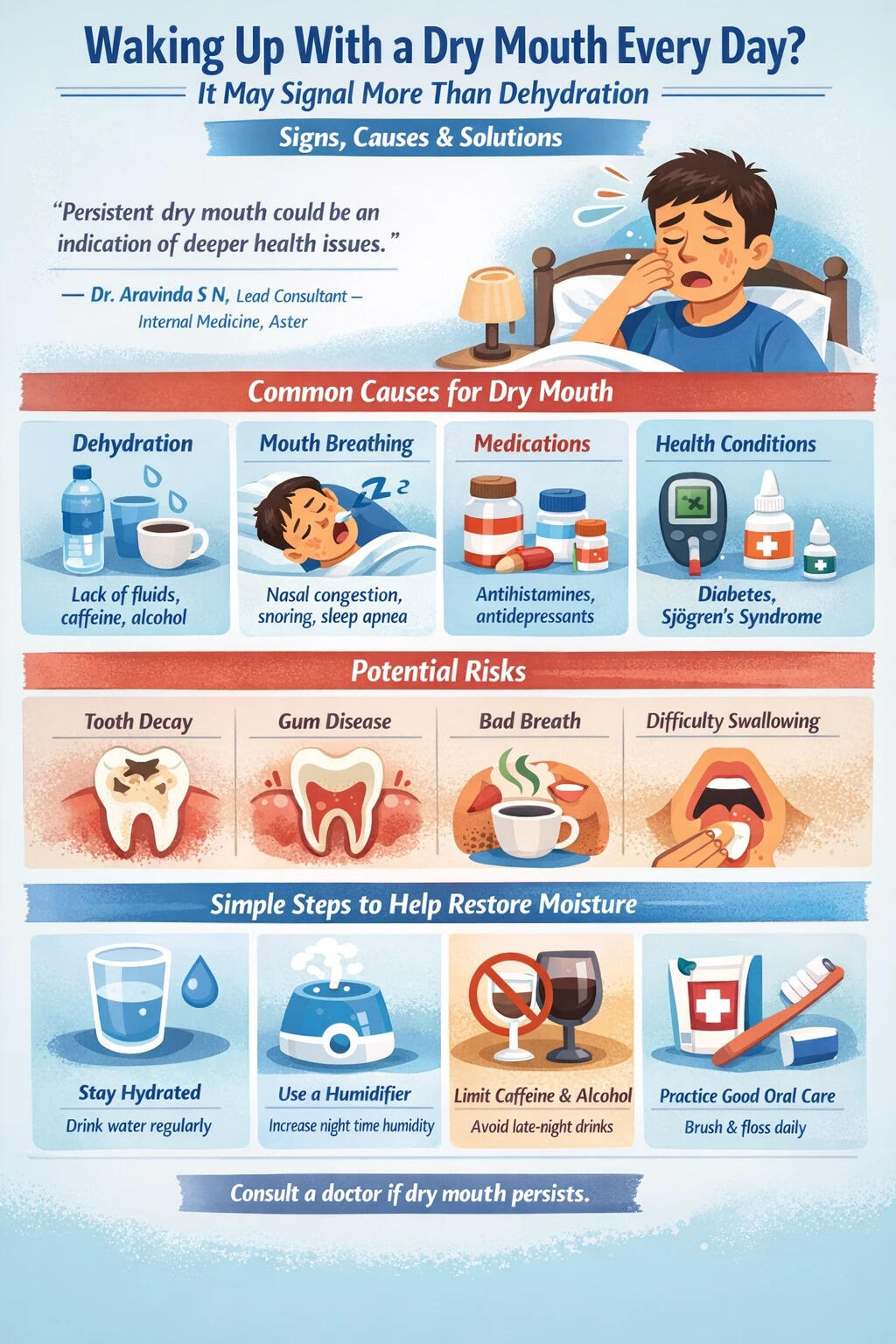
Identifying the cause early and making simple lifestyle adjustments can help restore balance and protect long-term health.
Small daily habits that can help restore moisture
The good news is that many mild cases improve with simple lifestyle adjustments.Dr Aravinda recommends practical changes that support saliva production, “Proper hydration and limited caffeine and alcohol consumption and effective dental care practices produce considerable health benefits.
Using a humidifier at night provides better humidity control during air-conditioned spaces.”Other helpful steps include:
- drinking water steadily through the day
- avoiding late-night alcohol or sugary drinks
- keeping nasal passages clear
- maintaining good oral hygiene
- visiting a dentist regularly
Doctors also advise medical consultation if dry mouth continues for more than two weeks or appears with symptoms like extreme thirst or breathing problems during sleep.Early evaluation can reveal underlying causes and prevent further complications.Medical experts consultedThis article includes expert inputs shared with TOI Health by:Dr Aravinda S N, Lead Consultant – Internal Medicine at Aster RV Hospital.Inputs were used to explain why waking up with a dry mouth every day may signal underlying health issues beyond simple dehydration, the possible causes behind the symptom, and when it may be important to seek medical advice.