
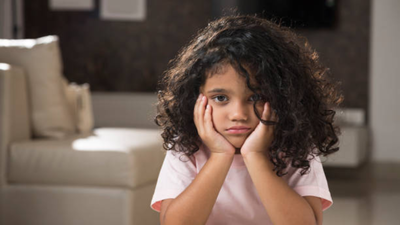
Anxiety does not always announce itself in a family. It sits in the background. A parent who worries a little too much. A child who complains of a stomach ache before school. A house where everyone seems slightly on edge, even on normal days.
Nothing feels serious enough to point out, yet something is always there.For many parents, the hard part is deciding what to say to their children. How much is too much? Is it better to explain, or to stay quiet? Talking about mental health with kids can feel uncomfortable. Some parents fear they will say the wrong thing. Others worry that bringing it up will make their child anxious, too. But avoiding the conversation altogether can create its own confusion.
Children sense emotional shifts quickly
Children pick up on mood changes quickly. They notice tone, routines, and reactions, even if no one explains them. A parent who is often tense or tired sends a message, whether they mean to or not. Kids then fill in the gaps on their own.Sometimes children assume they are the reason for a parent’s stress. They may not say it out loud. It shows up in small ways, like trying to behave perfectly or avoiding questions. Clear words can prevent that.
This does not mean sharing everything. It means naming things in a simple way. Saying “I feel anxious sometimes” is different from unloading adult worries. The first gives clarity. The second can feel heavy.
You don’t need a big sit-down talk
Many parents think mental health talks need to be planned and serious. In real life, they usually happen in bits. A car ride. A bedtime question. A comment after a tough day. These moments matter more than one long conversation.Short answers are often enough. If a child asks why you seem worried, a calm and honest reply helps. You can say you are dealing with something and taking care of it. You do not need to explain every detail. Leaving space is important too. Kids may come back to the topic later. Or they may not. Both are fine. The goal is to keep the door open.
Normalising feelings without making them the centre
When anxiety runs in the family, children may hear words like “stress” or “panic” often.
It helps to treat these as part of life, not as something strange. Feelings can be talked about in the same way as tiredness or hunger.At the same time, anxiety does not need to become the main story at home. Kids should not feel that everyone is fragile or constantly struggling. Balance matters. Daily routines, play, and normal disagreements still take up most of life. If a child shares their own worries, listening calmly helps more than fixing.
Sometimes they just want to say it out loud. Not every feeling needs a solution.
When your own anxiety gets in the way
Parents with anxiety often try to hide it. That can be exhausting. It can also send mixed signals. Children sense something is wrong, but are told everything is fine. That gap creates confusion. Being honest about managing anxiety can help. Saying you talk to someone, take breaks, or use simple coping habits shows that adults also work on their feelings.
It models responsibility, not weakness.If anxiety starts to affect a child’s sleep, school, or behaviour, outside help may be needed. That does not mean anyone failed. It means the family is paying attention. Talking about mental health with kids is rarely smooth or perfect. Most of the time, it is uneven and unfinished. That is normal. What matters is that the topic is not hidden away, and that children know they can ask, listen, and speak without fear.