
AA
Text Size
- Small
- Medium
- Large
1/6
When a little neglect makes beauty thrive
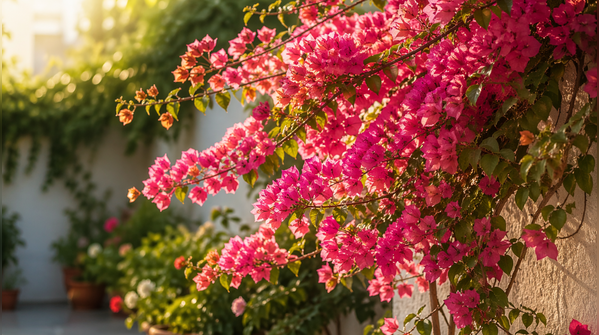
There is something striking about a bougainvillea in full bloom. It spills over walls, climbs balconies, and bursts into colour when everything else looks tired. But, the secret behind those bright clusters is not constant care. In fact, it is often the opposite.
A gardening creator, Tina from greenhousestudio.co, recently summed it up in a way that feels almost counterintuitive: “Stress it, starve it, cut it back.” It sounds harsh, but for bougainvillea, this tough-love approach is what brings out its best.

2/6
Why sunlight matters more than anything
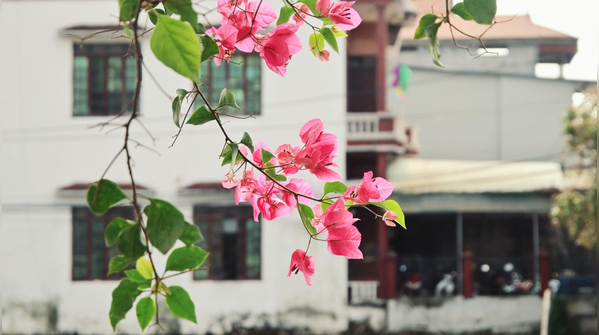
Bougainvillea does not like compromise when it comes to light. It thrives in full sun, and anything less shows quickly. Plants kept in shade may look lush with green leaves, but flowers remain scarce.
Tina explains it simply: “Full sun exposure for at least six hours a day.” That is not a suggestion, it is a baseline. The plant uses strong sunlight to trigger blooming. Without it, energy goes into leaf growth instead.
3/6
The strange rule of watering less
It feels natural to water plants regularly. Bougainvillea quietly resists that instinct. Too much water can actually delay or reduce flowering.
The plant prefers dry conditions between watering cycles. Tina puts it bluntly, “Water the plant barely, they need drought stress to bloom.” When the roots feel a bit stressed, the plant shifts focus from survival growth to reproduction, which means more flowers.
This does not mean neglect completely. It means watering deeply, then waiting until the soil dries out before watering again.
4/6
Pruning: cutting back to grow forward
One of the hardest things for plant lovers is cutting back a healthy plant. Bougainvillea demands exactly that.
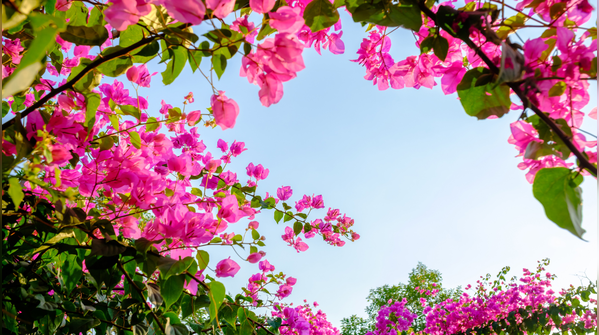
It blooms on new wood, which means fresh growth after pruning. Old branches rarely produce flowers. Tina advises: “Cut it back hard.”
The result may look bare for a while, but within weeks, new shoots appear, followed by colour.

5/6
Fertiliser: less nitrogen, more intention
Bougainvillea does not demand heavy feeding. In fact, too much fertiliser can harm its flowering cycle.
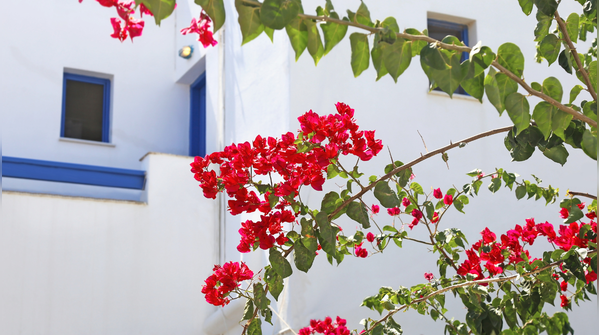
Tina admits she rarely fertilises hers. But when feeding is needed, the choice matters. Low nitrogen and high phosphorus blends work best. Nitrogen pushes leaf growth, while phosphorus supports flowering.
In simple terms, feeding the plant lightly keeps it focused on blooms rather than foliage.
6/6
A plant that rewards resilience
There is a quiet lesson in how bougainvillea grows. It does not respond to constant pampering. It thrives under pressure, adapts to stress, and then rewards patience with colour.
In a way, it teaches that growth does not always come from abundance. Sometimes, it comes from just enough.
Disclaimer: This article is for informational purposes only. Gardening outcomes may vary based on climate, soil type, and local conditions. Always consider regional advice or consult a horticulture expert for plant care suited to your environment.
Follow Us On Social Media