
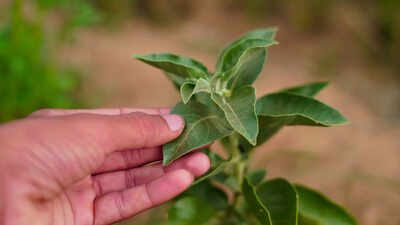
From Ayurveda to global leaders like Prime Minister Narendra Modi, many have promoted the use of Ashwagandha, a herb that works as a tonic and helps promote vitality, longevity, and balance across body and mind.
And while food products and medicinal supplements have been using it for a while, suddenly on April 16, the Food Safety and Standards Authority of India (FSSAI) issued an advisory banning the use of ashwagandha leaves in any food products and supplements. Let us find out why?
What does the advisory state?
According to the FSSAI official website, the advisory issued on April 16 focuses on the non-use of Ashwagandha (Withania somnifera) leaves in crude, extract, or any other form in food products – reg.
Scroll down to read the advisory guidelines.1. FSSAI has specified the standards for Health Supplements, Nutraceuticals, Food for Special Dietary Use, and Food for Special Medical Purpose under the Food Safety and Standards (Health Supplements, Nutraceuticals, Food for Special Dietary Use, Food for Special Medical Purpose, Functional Food and Novel Food) Regulations, 2016. Schedule IV of these regulations provides the list of plants or botanicals permitted for use in such products.
2. As per Schedule IV of the aforesaid regulations, only the roots and their extracts of Ashwagandha (Withania somnifera) are permitted for use in the above-mentioned categories of products, subject to compliance with the prescribed limits.3. It has been brought to FSSAI’s notice that certain manufacturers of these products are using ashwagandha leaves and its extract in their products.4. In this regard, it is clarified that the use of Ashwagandha leaves in crude, extract, or any other form is not permitted under the said regulations.5. All Food Business Operators (FBOs) are hereby advised to ensure strict compliance with the aforementioned provisions. Any deviation shall attract action under the Food Safety and Standards Act, 2006 and regulations made thereunder.
What does the Ayurveda say?
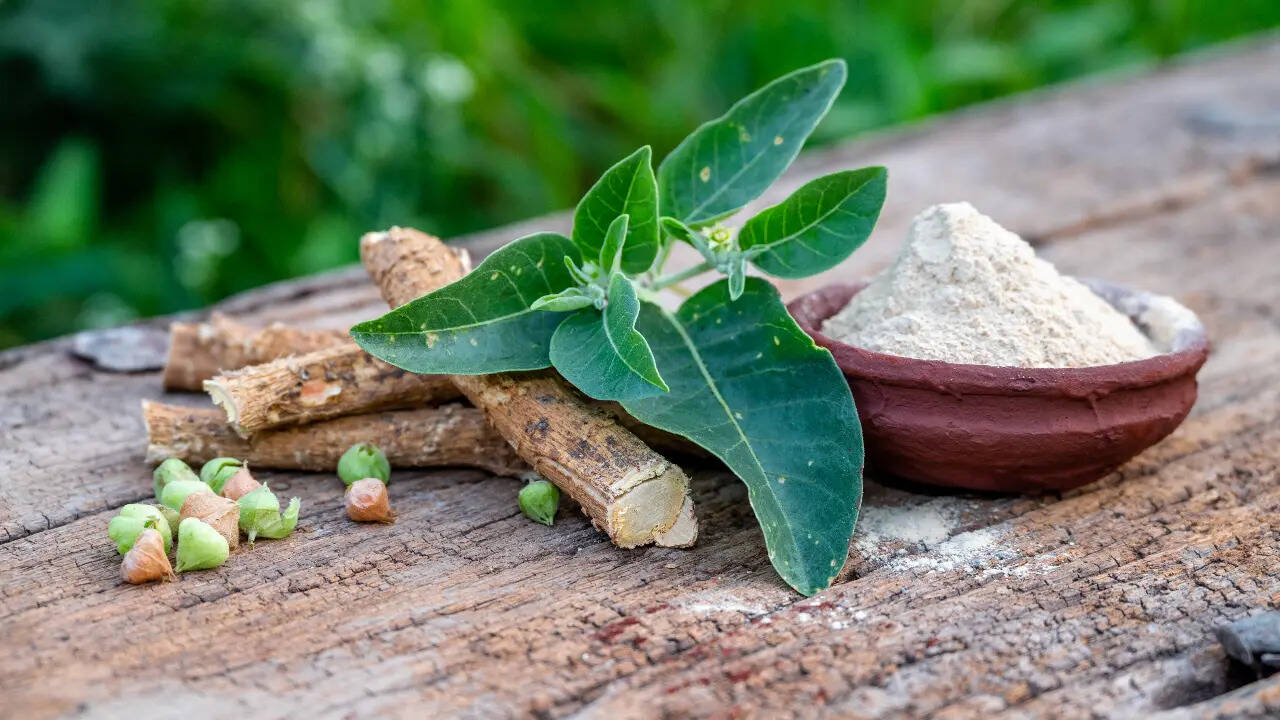
Also known as Indian ginseng or Indian winter cherry, or the herb Withania somnifera, “Ashwagandha” is derived from the word “ashwa,” meaning horse. It is believed that after consuming the root, one gains powers similar to those of a horse.
The second part of the name “gandha,” means fragrance and refers to the characteristic smell of the plant’s fresh root. According to legends, since ancient times, it has been traditionally used in Ayurvedic medicine as a substance that strengthens the nervous system.
This is evidenced by its adaptogenic effects and medicinal uses—the so-called “rasayana.”
What does the study say about Ashwagandha leaves
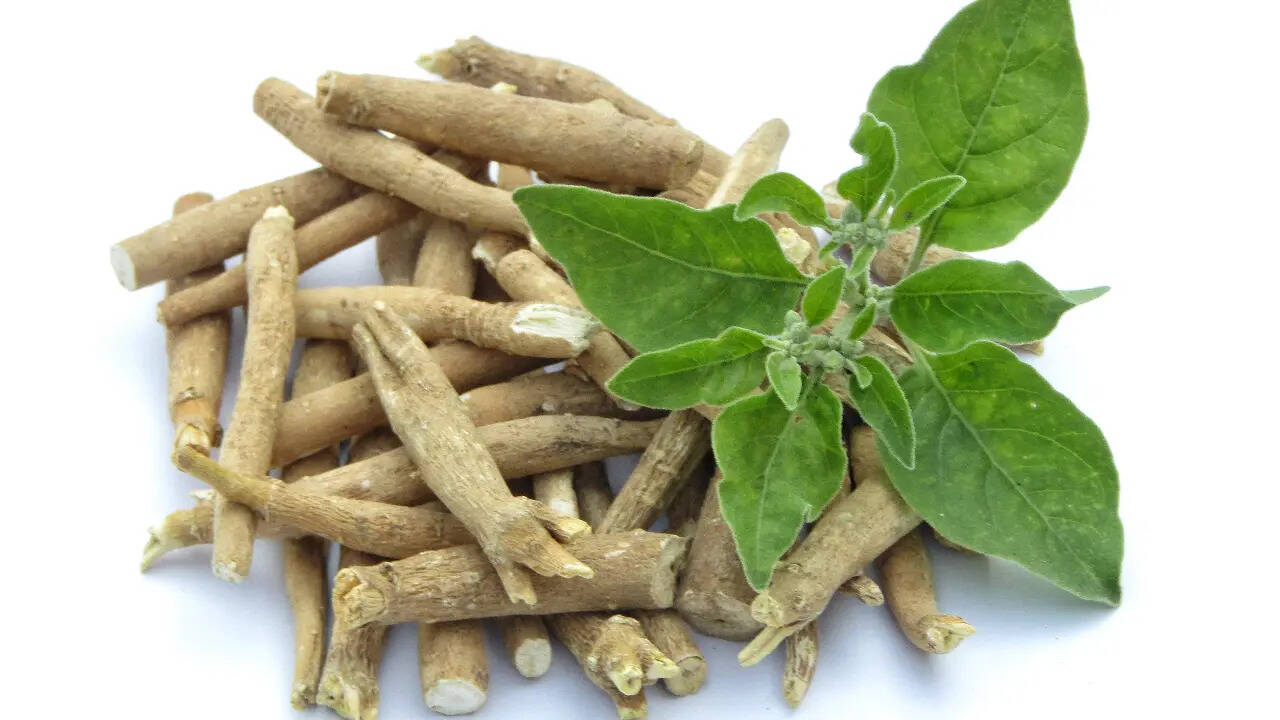
According to a study, water extract from ashwagandha leaves (ASH‑WEX) containing a withanolide called Withaferin D (TEG) induces selective toxicity in cancer cells by activating the tumor‑suppressor protein pRB and down‑regulating matrix metalloproteinases (MMP‑3, MMP‑9), which are involved in metastasis. As per a PMC report, ashwagandha is said to have neuroprotective, sedative and adaptogenic effects, as well as effects on sleep. It also states that this herb has anti-inflammatory, antimicrobial, cardioprotective and anti-diabetic properties.Images Courtesy: istock