Political News – Uttarakhand Legislative Assembly, National Dynamics & Civic Policy
Uttarakhand occupies a uniquely strategic and politically dynamic position in Indian democracy. Carved out as a separate Himalayan state on November 9, 2000, following protracted grassroots agitations, historic student movements, and the selfless sacrifices of mountain women, Uttarakhand's political trajectory is profoundly shaped by its dual mountain-plains topography, dense ex-servicemen demographic, environmental consciousness, and aspirations for sustainable economic self-reliance.
The Political News Desk at Haldwani Times provides 24/7, rigorous, and completely unbiased journalistic coverage of legislative debates inside the Dehradun and Gairsain Vidhan Sabha, Cabinet policy resolutions, member of parliament interventions, and grassroots panchayati raj governance. As the economic gateway and political nerve center of the Kumaon division, Haldwani serves as the staging ground for statewide political discourse. Our experienced correspondents deliver balanced, multi-perspective reportage free from partisan bias, holding elected representatives accountable to the citizens they serve. By dissecting policy agendas, parliamentary debates, and grassroots public sentiments, we deliver political journalism that empowers every voter.
Regional Representation: The Political Balance of Kumaon and Garhwal
The political equilibrium of Uttarakhand's 70-member legislative assembly rests upon delicate geographic, demographic, and cultural representation across its two administrative divisions:
- **Divisional Power Sharing:** Maintaining an equitable distribution of administrative authority—balancing cabinet ministerial portfolios, assembly speakerships, and bureaucratic leadership between Kumaon and Garhwal—has remained an essential political imperative for successive ruling parties.
- **The Gairsain (Bhararisain) Summer Capital Question:** The enduring emotional and political debate surrounding Gairsain, situated on the border of Garhwal and Kumaon, designated as the official summer capital hosting annual budget sessions as a symbol of mountain aspirations.
- **Delimitation Realities:** Anticipated post-census electoral delimitation debates addressing demographic shifts, as mountain out-migration threatens to reduce the legislative weight of hill constituencies while increasing the seat share of urbanized foothill districts like Nainital and Dehradun.
Legislative Milestones: Land Laws, Uniform Civil Code & Anti-Copying Mandates
The Uttarakhand Legislative Assembly has enacted several landmark statutes that have captured national legislative attention:
- **Uttarakhand Uniform Civil Code (UCC):** Becoming the first Indian state post-independence to legislate a comprehensive civil code harmonizing laws of marriage, divorce, succession, and mandatory live-in relationship registration while safeguarding tribal community exemptions under Article 44 of the Constitution.
- **Stringent Land Laws (Bhoo-Kanoon):** Legislative initiatives capping agricultural land purchases by non-domiciled individuals to 250 square meters, alongside ongoing civil society campaigns advocating Himachal-style Section 118 restrictions to preserve indigenous hill landholdings.
- **The Toughest Anti-Cheating Legislation in India:** Enacting punitive measures including life imprisonment and fines up to ₹10 crore for recruitment examination paper leaks, restoring transparency and meritocracy for hundreds of thousands of youth job aspirants.
Haldwani & The Nainital-Udham Singh Nagar Parliamentary Corridor
The electoral dynamics of Uttarakhand's industrial and commercial epicenter:
- **The Political Legacy of Kumaon:** Haldwani has served as the historic political crucible for stalwarts including former Chief Minister Narayan Dutt Tiwari and Dr. Indira Hridayesh, whose visionary infrastructure projects transformed the city into Kumaon's commercial capital.
- **Diverse Electoral Demographics:** Balancing the political voices of indigenous Kumaoni residents, agrarian Sikh and Bengali communities of the Terai belt, industrial working-class settlements, and minority enclaves across Banbhoolpura and Mangal Parao.
- **Municipal Politics & Ward Governance:** High-stakes municipal corporation mayoral and councillor elections centering around essential civic priorities—stormwater drainage channels, traffic decongestion, waste management, and encroachment regularization.
Panchayati Raj, 50% Women's Reservation & Grassroots Democracy
Decentralized local self-governance driving inclusive social transformation:
- **50% Statutory Reservation for Women:** Empowering women across gram panchayats, kshetra panchayats, and zila parishads, fostering a formidable cohort of female village heads (Gram Pradhans) transforming rural hill health, primary schools, and drinking water schemes.
- **Autonomous Van Panchayats:** The democratic management of over 12,000 village forest councils exercising community stewardship over local natural resources and seasonal forest fire prevention.
- **District Planning Committee (DPC) Budget Allocations:** Grassroots participatory budgeting directing state development funds toward village link roads, community halls, and rural solar micro-grids.
Veteran Welfare, Military Demographics & Defense Policy Discourse
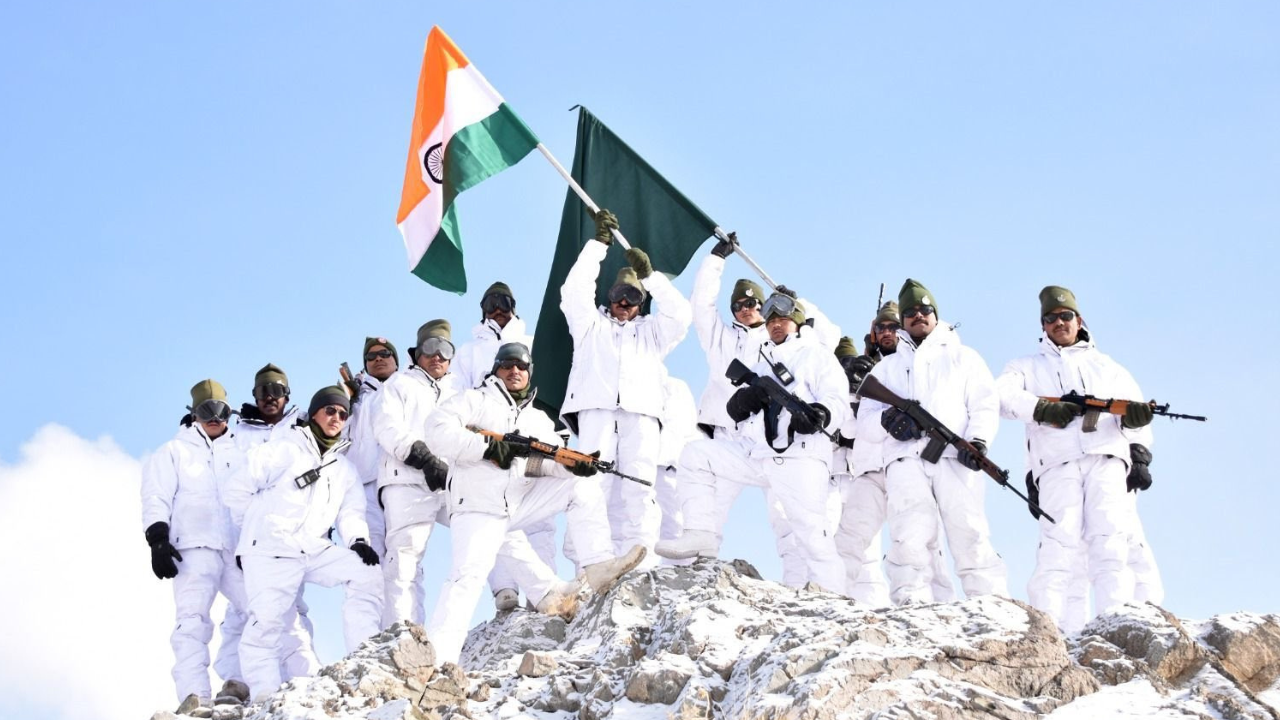
Known reverently as 'Veerbhumi', Uttarakhand's deep military heritage profoundly influences its electoral landscape:
- **The Ex-Servicemen Electoral Factor:** With nearly every third family having active or retired personnel in the Indian Armed Forces, Paramilitary, or Assam Rifles, the welfare of veterans and the Kumaon and Garhwal Regiments remains a decisive political priority.
- **One Rank One Pension (OROP) & ECHS Healthcare:** Monitoring central pension disbursements, defense healthcare polyclinics, and family welfare measures for war widows (Veer Naris).
- **The Agnipath Defense Recruitment Debate:** Analyzing political discourse, youth employment aspirations, and policy perspectives surrounding four-year military recruitment frameworks across mountain districts.
Citizen Participation, Voter Awareness & The ECI SVEEP Mission
Strengthening democratic engagement and electoral integrity:
- **Systematic Voters' Education & Electoral Participation (SVEEP):** Engaging youth, university students, and first-time 18-year-old voters through street theatre, college debates, and digital social media campaigns.
- **Home Voting for PwD & Senior Citizens 85+:** The humanitarian initiative by the Election Commission providing postal ballot voting from home for elderly and physically disabled citizens.
- **The cVIGIL Mobile Platform:** Real-time citizen reporting of model code of conduct violations, allowing voters to upload live photos and geotagged clips resulting in swift administrative investigation within 100 minutes.
Environmental Politics, Forest Rights & The Sustainable Development Dilemma
Balancing necessary economic development with delicate Himalayan ecological preservation:
- **The Legacy of the Chipko Movement:** How historical grassroots environmental resistance led by Gaura Devi and Sunderlal Bahuguna continues to inspire contemporary policy debates on forest preservation and river damming.
- **Forest Rights Act (FRA 2006) Implementation:** Validating community forest resource rights for traditional forest dwellers and granting revenue village status to historic forest settlements.
- **Eco-Sensitive Zone (ESZ) Regulations:** Navigating tensions between buffer zone conservation guidelines around national parks and local villagers' legitimate commercial livelihoods.
Public Audit, CAG Scrutiny & Financial Discipline in Governance
Institutional mechanisms ensuring the transparent and accountable utilization of taxpayers' funds:
- **Comptroller and Auditor General (CAG) Audits:** Reviewing state financial discipline, revenue leakages, and capital expenditure compliance through the legislative Public Accounts Committee (PAC).
- **Prudent Debt Management:** Formulating sustainable fiscal strategies to manage state borrowing while funding vital capital infrastructure and social security pensions.
- **Legislative Committee Oversight:** Active scrutiny by Assembly Estimate Committees ensuring timely execution of public welfare schemes within sanctioned budget ceilings.
Student Politics: MBPG College & Youth Leadership Traditions
The vibrant crucible of regional student activism and university leadership:
- **MBPG College Student Union:** The largest collegiate student union in Kumaon, historically serving as the proving ground for future state legislators, cabinet ministers, and regional party chiefs.
- **Kumaun University Student Union Elections:** High-energy democratic elections conducted under the Lyngdoh Committee guidelines, debating youth employment, college infrastructure, and transparent civil service recruitments.
- **Youth Protests Shaping State Policy:** Historic student-led demonstrations demanding independent anti-corruption inquiries, stringent anti-cheating legislation, and subsidized student transit passes.
Agrarian Politics & Cane Farmer Welfare in the Terai Belt
Addressing the socio-economic priorities of rural farming families:
- **Sugarcane Price Determinations:** Annual political debates surrounding State Advised Price (SAP) revisions and mandatory clearing of pending mill arrears for cane farmers in Kichha, Sitarganj, and Bajpur.
- **Canal Irrigation & Flood Embankments:** Legislative lobbying for enhanced irrigation canal maintenance, timely desilting, and permanent flood barriers protecting fertile agricultural fields from seasonal river overflow.
- **Fertilizer Subsidies & Cooperative Credit:** Monitoring the timely availability of urea, DAP, and subsidized short-term crop loans through primary agricultural credit societies (PACS).
Regional Parties & The Uttarakhand Kranti Dal (UKD) Heritage
The role of regional political forces in articulating mountain identity:
- **Foundational Statehood Movement:** Remembering the historic vanguard role of the Uttarakhand Kranti Dal (UKD) in mobilizing grassroots mass agitations that led to the creation of the separate Himalayan state in 2000.
- **Advocacy for Mountain Domicile & Rights:** Regional political platforms consistently demanding the 1950 domicile cutoff date, preservation of hill culture, and permanent residency safeguards.
- **Alternative Political Formations:** Emergence of progressive civil society groups and environmental coalitions contesting local civic elections on issues of clean water, health, and urban planning.
Municipal Ward Governance & Haldwani Civic Administration
Grassroots urban democracy addressing local neighborhood challenges:
- **60 Municipal Corporation Wards:** Direct councillor oversight across densely populated wards—addressing street lighting, localized drainage repairs, and stray animal management.
- **Slum Regularization & Ownership Rights (Malin Basti):** Political discourse surrounding property ownership documentation, rehabilitation packages, and basic civic utility access for long-term urban settlements.
- **Public Grievance Redressal Days (Nagar Nigam Jan Sunwai):** Monthly open-court hearings where residents interact directly with the Municipal Commissioner to resolve pending civic complaints.
Civil Society Organizations & Public Policy Think Tanks in Uttarakhand
Independent institutions enriching regional governance and policy design:
- **Research on Mountain Livelihoods:** Multidisciplinary academic institutes and policy centers conducting empirical field studies on rural hill economics, water resources, and climate migration.
- **Citizen Action Groups on Urban Planning:** Voluntary associations of retired engineers, environmentalists, and legal professionals advocating for sustainable zoning, green spaces, and traffic decongestion in Haldwani.
- **Legal Advocacy for Environmental Justice:** Public interest litigation filed by civil society coalitions defending the rights of Himalayan rivers, sacred groves, and forest-fringe communities.
Electoral Security, Border Polling Stations & Drone Monitoring
Conducting peaceful, accessible, and transparent elections across complex terrain:
- **High-Altitude Snowbound Polling Booths:** Election Commission teams trekking with EVM-VVPAT units across remote mountain trails to establish polling stations in border hamlets like Gunji and Malari.
- **CCTV & Drone Surveillance at Sensitive Booths:** Utilizing aerial drone reconnaissance and webcasting to monitor sensitive polling centers, ensuring complete voter safety and zero electoral malpractice.
- **Paramilitary Deployment & Flying Squads:** Rapid deployment of central armed police forces and static surveillance teams interdicting illegal cash, liquor, or freebies during election campaigns.
Judicial Review & Electoral Integrity in State Governance
The essential role of the judiciary in preserving constitutional democratic norms across Uttarakhand:
- High Court rulings adjudicating assembly floor-test controversies, municipality delimitation disputes, and environmental regulatory orders.
- Vigilant oversight of public interest litigations challenging arbitrary administrative orders, ensuring citizen rights remain supreme.
Frequently Asked Questions (FAQs)
How many legislative assembly seats comprise the Uttarakhand Vidhan Sabha?
The Uttarakhand Legislative Assembly consists of 70 elected members representing constituencies across all 13 districts. To form a state government, a political party or coalition must secure an absolute majority of at least 36 seats.
What is the official status of Gairsain as Uttarakhand's capital?
Gairsain (Bhararisain in Chamoli district) is designated as the official summer capital of Uttarakhand, featuring an assembly complex that hosts annual budget sessions, while Dehradun functions as the interim winter capital and permanent administrative secretariat.
Where can citizens register for a new voter ID card in Uttarakhand?
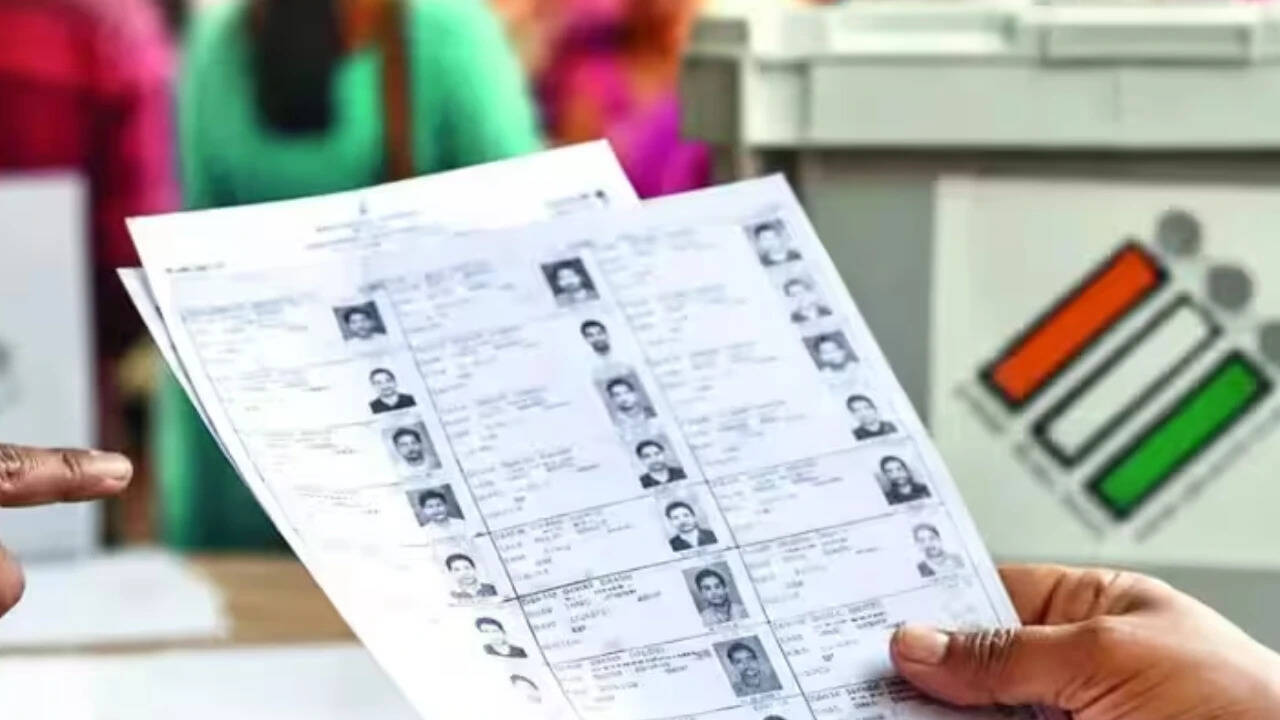
Eligible citizens aged 18 and above can submit Form 6 online via the Election Commission of India portal (voters.eci.gov.in) or using the Voter Helpline mobile app, followed by verification by their local Booth Level Officer (BLO).
How does Haldwani Times maintain editorial impartiality during election campaigns?
Our editorial charter strictly forbids political endorsements, institutional campaign donations, or paid political news. All party manifestos, press releases, and candidate debates receive balanced, scrutinized coverage based solely on verified public record.
What are the core provisions of Uttarakhand's Anti-Cheating Law?
The Uttarakhand Competitive Examination (Measures for Prevention and Prevention of Unfair Means in Recruitment) Act prescribes up to life imprisonment and fines up to ₹10 crore for organized paper leak syndicates, alongside debarment and property attachment.
What assembly constituencies fall within the Nainital-Udham Singh Nagar Lok Sabha seat?
This parliamentary constituency encompasses 14 assembly seats across two districts, including Haldwani, Nainital, Kaladhungi, Lalkuan, Bhimtal in Nainital district, and Rudrapur, Kashipur, Kichha, Sitarganj, Khatima, Bajpur, and Gadarpur in Udham Singh Nagar.
How does the Right to Information (RTI) Act promote administrative transparency?
Under the RTI Act 2005, citizens can request copies of official government files, tender documents, inspection reports, and budget expenditures from any state public authority, with mandatory responses within 30 days.
What are the rules regarding the Model Code of Conduct (MCC) during elections?
The MCC enforces operational guidelines prohibiting ruling parties from announcing new fiscal sops, using state transport for campaigning, or misusing public funds, while ensuring peaceful polling and fair candidate access to public campaign grounds.