
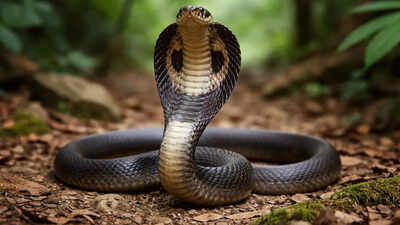
Chinese Cobra is one of the most identifiable venomous snakes found in East Asia and Southeast Asia. The scientific name of the Chinese Cobra is Naja atra. This snake belongs to the family of cobras.
The Chinese Cobra is highly revered for its distinctive hood and venomous qualities. Despite its dangerous appearance and reputation, the Chinese Cobra is not an aggressive snake. In fact, it avoids confrontations with human beings. The Chinese Cobra becomes dangerous only if it is threatened. The Chinese Cobra is of extreme importance to the rodent population of the region. The Chinese Cobra is found in the southern parts of China.
The snake has adapted to the diverse environments of the region. By studying the behaviour, eating habits, and habitats of the Chinese Cobra, one can develop an appreciation for the species of snake.
Physical features and identification of the Chinese cobra
PC: AI-Generated
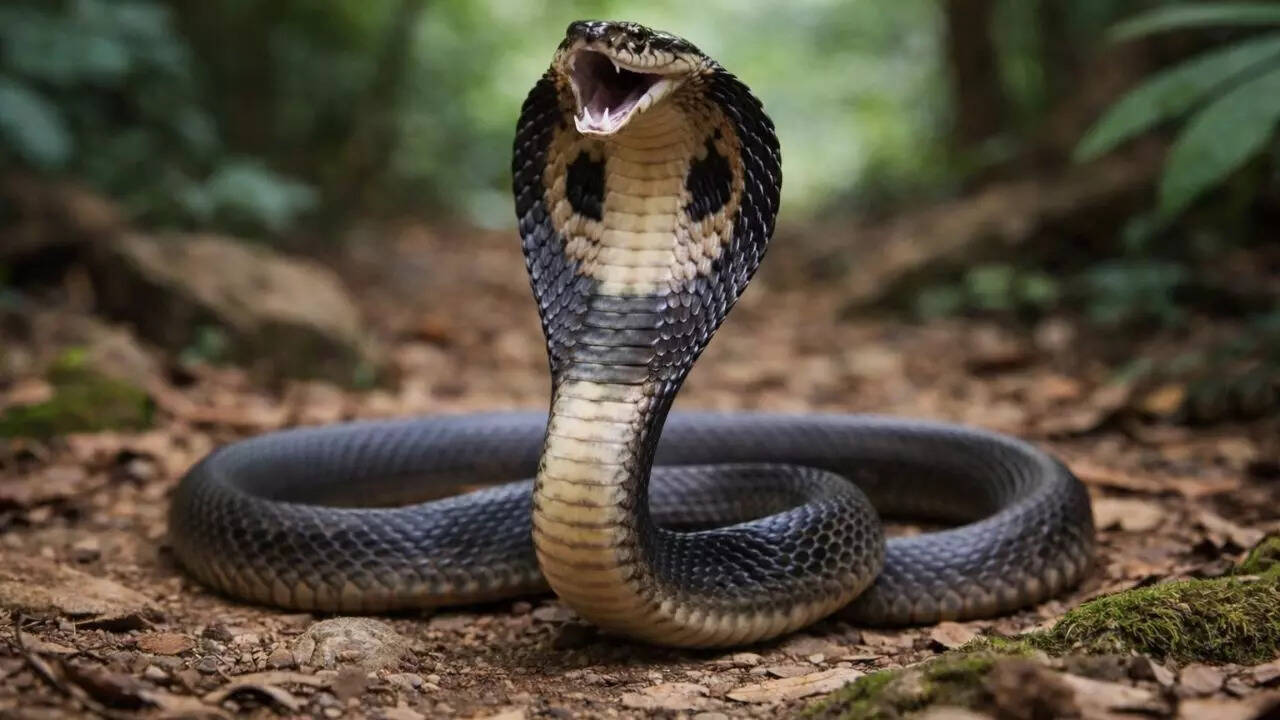
The Chinese cobra is a venomous snake with a medium build, reaching a length of 1.2 to 1.5 meters on average, although it has been recorded to reach lengths of almost 2 meters. The body colour ranges from brown to grey to almost black.
There are faint markings on the back of the snake, which may have bands. The marking on the hood of the snake may resemble a spectacle or a horseshoe shape. This is one of the most distinguishing features of the Chinese cobra.Like all other cobras, the Chinese cobra has fixed front fangs through which it injects venom into the body of the prey or the attacker. The belly of the snake is lighter in colour, which may range from yellow to grey.
When threatened, the Chinese cobra raises the front part of the body, opens the hood, and hisses loudly.
Chinese cobra’s habitat and geographic distribution
The Chinese cobra mainly inhabits the southeastern regions of Asia. The regions where the Chinese cobra is typically found include southern China, Taiwan, northern Vietnam, and northern Laos. In all these regions, the Chinese cobra inhabits various types of habitats such as forests, shrublands, grasslands, and even mangroves.The Chinese snake is a very adaptable species. It can survive in areas such as near agricultural land, near rice fields, and near water sources such as rivers or ponds. The Chinese snake can hide in burrows, dense vegetation, or rock crevices during the day to avoid predators and extreme temperatures. In various regions, the Chinese cobras have been known to survive not too far from human settlements, especially where there is food such as rodents.Although the Chinese snake can survive in a wide range of habitats, it has been negatively impacted by the destruction of habitats due to human activity. In various regions, the Chinese cobra has been classified as a vulnerable species.
Diet and hunting behaviour of the Chinese Cobra
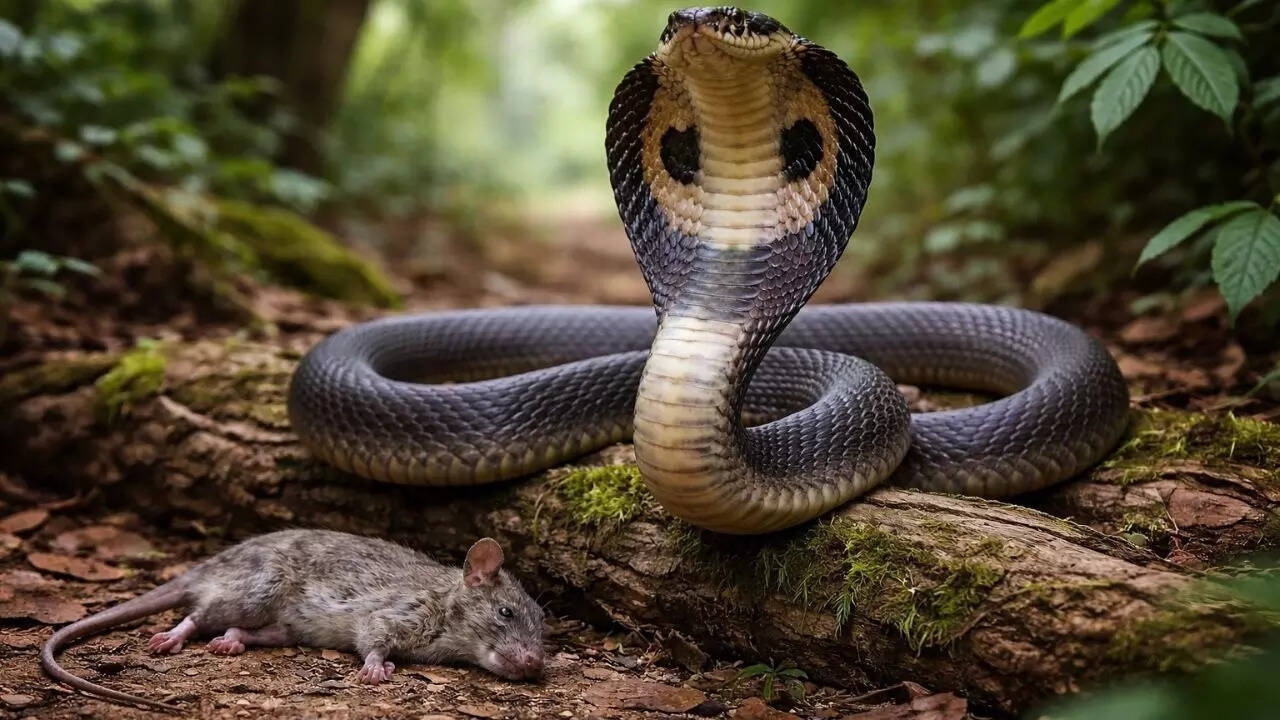
The Chinese cobra is a carnivorous predator and feeds mostly on small animals. Its food usually consists of rodents, frogs, lizards, birds, and sometimes other snakes. Baby cobras may also eat amphibians or insects and then progress to larger prey as they grow.The Chinese cobra hunts its prey at night or when it is cool. The snake uses its acute sense of smell and sensitivity to vibrations in the ground to locate its prey. It then attacks its prey and delivers a dose of venom through its fangs. The venom acts very fast and paralyses the prey, which is then eaten whole.The Chinese cobra’s consumption of rodents and other small animals is beneficial to its environment. It is a form of natural pest control and is one of the reasons snakes are considered beneficial to their environment, despite their fearsome reputation.
Chinese Cobra: Venom and defensive behaviour
PC: AI-Generated
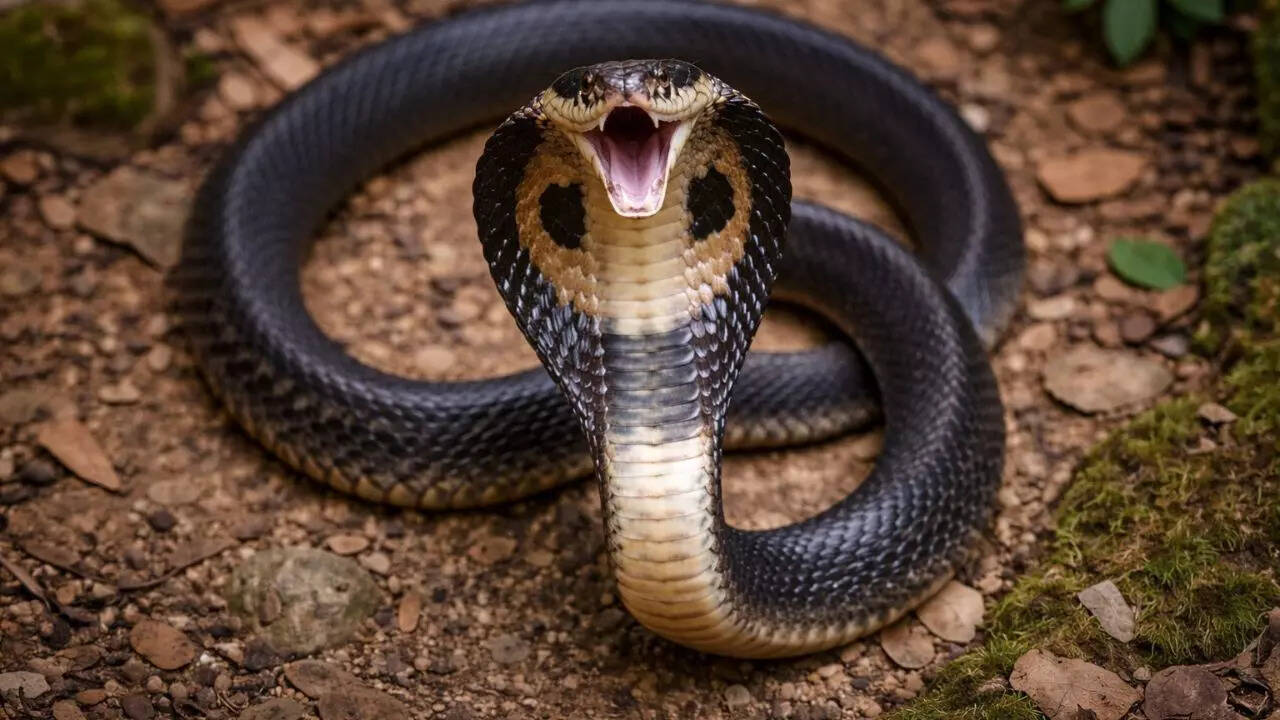
The venom of the Chinese cobra is extremely potent, with a mixture of neurotoxin and other chemicals that have the potential to act on the nervous system and body tissues. This means that a severe medical condition can arise if a person is bitten by a Chinese cobra and does not receive medical treatment. It is interesting to note that the Chinese cobra does not attack unless provoked. The snake tries to run away if it meets a human.
If it is not able to run away, it tries to raise its hood and emit a hissing sound to alert others. The snake attacks only when it is threatened. Due to its medically dangerous venom, a person bitten by a Chinese cobra has to receive medical treatment. Fortunately, modern medicine has made it possible to prevent fatalities.
Interesting facts about the Chinese cobra
Chinese Cobra has several interesting features which make it a fascinating snake. First, it has several common names, such as the Taiwan Cobra. Second, the snake may resemble a non-venomous species when the hood is not flared, which may make it difficult to identify the snake.Another interesting aspect of the Chinese Cobra is the complexity of the venom it possesses. The venom contains more than thirty proteins, which are of great importance to scientists. They may help in the production of medicine.It is worth noting that the scientific name of the Chinese Cobra has two parts: the genus “Naja” is derived from the Sanskrit word “Naga” meaning snake, while the species “atra” refers to the dark colouration.
Why the Chinese cobra remains an important species in its ecosystem
PC: AI-Generated
Despite the fear it instils with its venomous capability, the Chinese cobra is an important contributor to the maintenance of ecological equilibrium. Its consumption of rodents and other small mammals helps to keep the rodent population under control, which is beneficial to the development of agriculture.The Chinese cobra is also facing threats like the loss of habitats, human-wildlife conflict, and the wildlife trade. The protection of habitats and the generation of awareness among the public may help to reduce the killing of Chinese cobras unnecessarily.Learning about the Chinese cobra’s behaviour and role is a reminder of the importance of dangerous wild animals.