
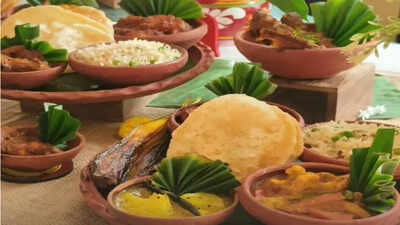
Poila Boishakh in the city is increasingly being defined less by a fixed festive spread and more by how—and where—people are choosing to eat. Across restaurants and cafés, menus this year reflect a wider shift: tradition is still central, but it is being reworked, expanded and, in some cases, quietly set alongside global influences.
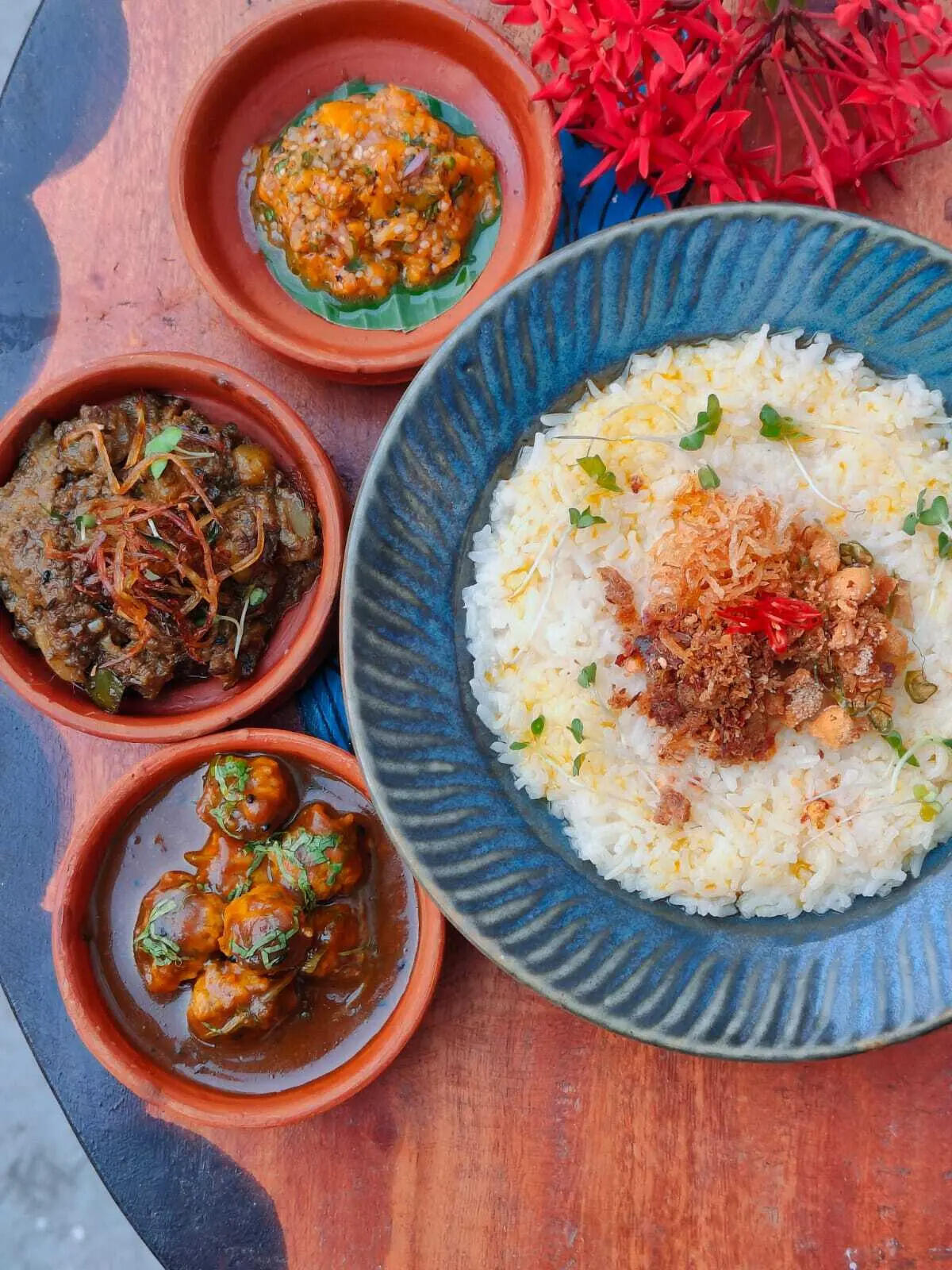
At Spiegel, the festive menu draws on Bengal’s long association with rice, but interprets it through a contemporary lens. A fenabhat rice bowl reimagines the fermented staple into a composed dish, while familiar elements like sorshe mach appear alongside newer combinations. Seasonal ingredients, particularly mango, and drinks such as aam pora paired with cold brew signal a move towards experimentation within a recognisable framework.
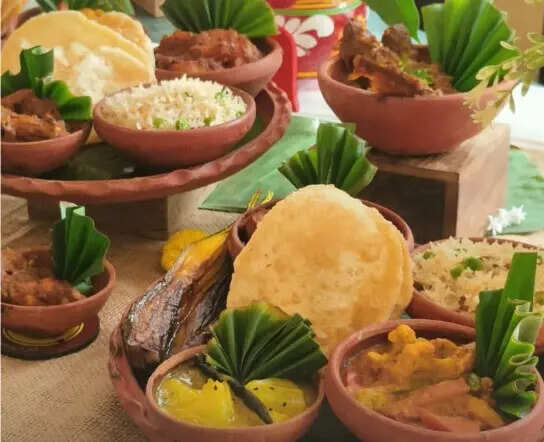
A more traditional structure is visible at Bhawanipur House, where the menu stays closer to Bengali home-style eating. Summer coolers like aam pora and bel shorbot sit alongside starters such as mochar chop, dimer devil and crumb-fried fish and prawn cutlets. The focus, however, is on full meals—vegetarian and non-vegetarian thalis with luchi, pulao, kosha mangsho or mixed vegetables, and classics like pabda macher jhal and gondhoraj bhetki.
Desserts, including baked rosogolla and mihidana cheesecake, indicate subtle reinterpretations without moving too far from the familiar. Elsewhere, rice itself is being positioned differently—not just as a staple, but as a format that travels.
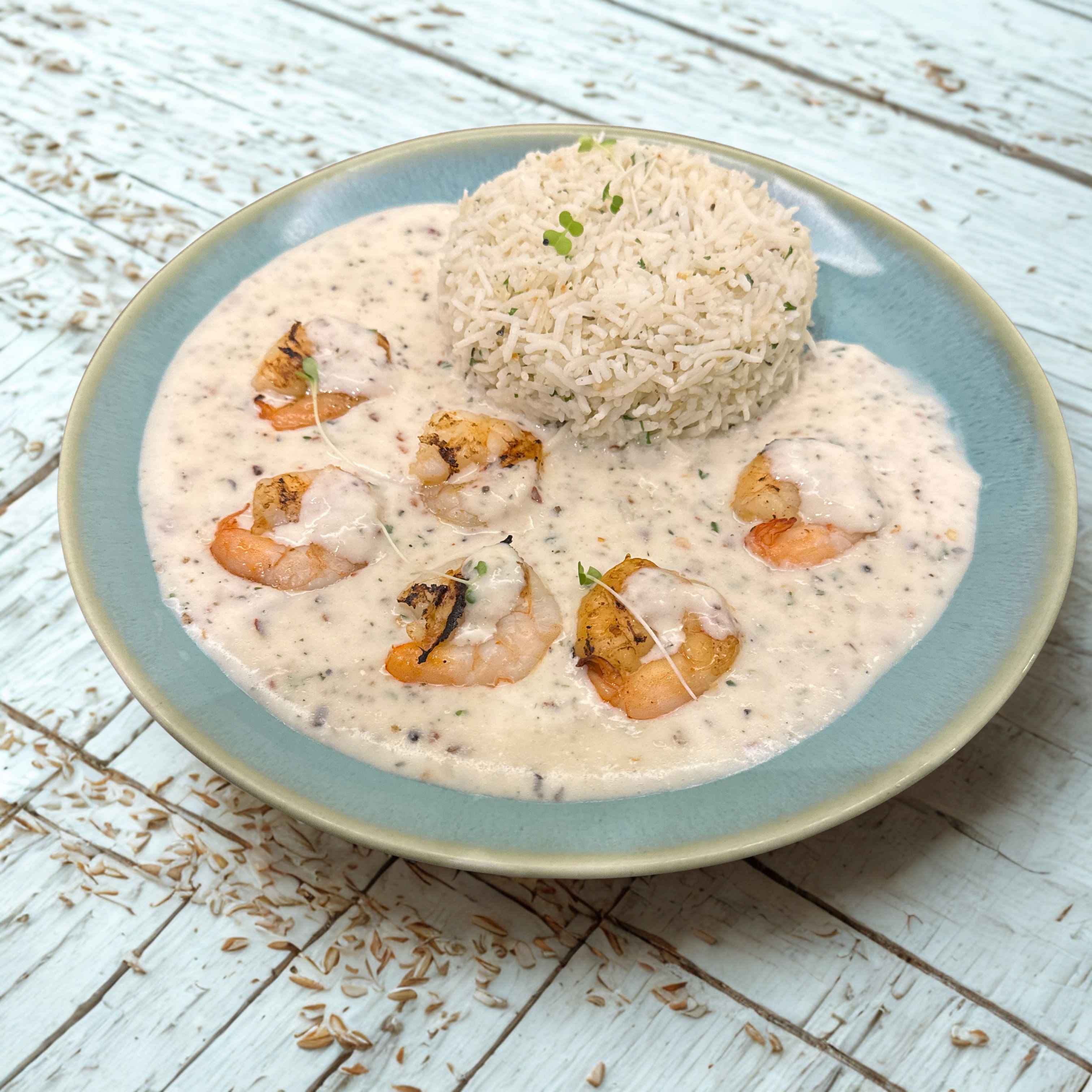
At 25 Main Street Cafe, a new menu built around basmati places it at the centre of globally influenced plates. Dishes move across cuisines—from creamy Stroganoff-style preparations to seafood-led plates—suggesting that festive dining is no longer confined to regional expectations. At the same time, comfort-driven, crowd-friendly menus continue to draw footfall. The Biryani Canteen is foregrounding its Kolkata-style mutton and chicken biryani alongside North Indian staples such as paneer and fish curries, dal fry and basanti pulao. While not traditionally linked to Poila Boishakh, such menus underline a parallel trend: for many diners, the festival is as much about indulgence and familiarity as it is about culinary tradition. This shift is also visible in all-day dining formats. At Café Offbeat UpThere, a broad menu of small plates and comfort food—from loaded nachos to pizzas and fusion snacks—caters to groups looking for a more informal way to mark the occasion. These are not isolated cases. Across the city, more restaurants—both standalone and within hotels—are adapting their Poila Boishakh offerings, balancing nostalgia with flexibility.
Fixed festive thalis coexist with modular menus; regional dishes appear alongside global plates; and traditional beverages are being reworked with contemporary pairings. The result is a festival table that is no longer singular. In Kolkata today, Poila Boishakh is as likely to be marked by a structured Bengali meal as it is by a mix of small plates, rice bowls or biryani shared across the table—reflecting a city where food traditions continue to evolve without entirely letting go of their roots.