
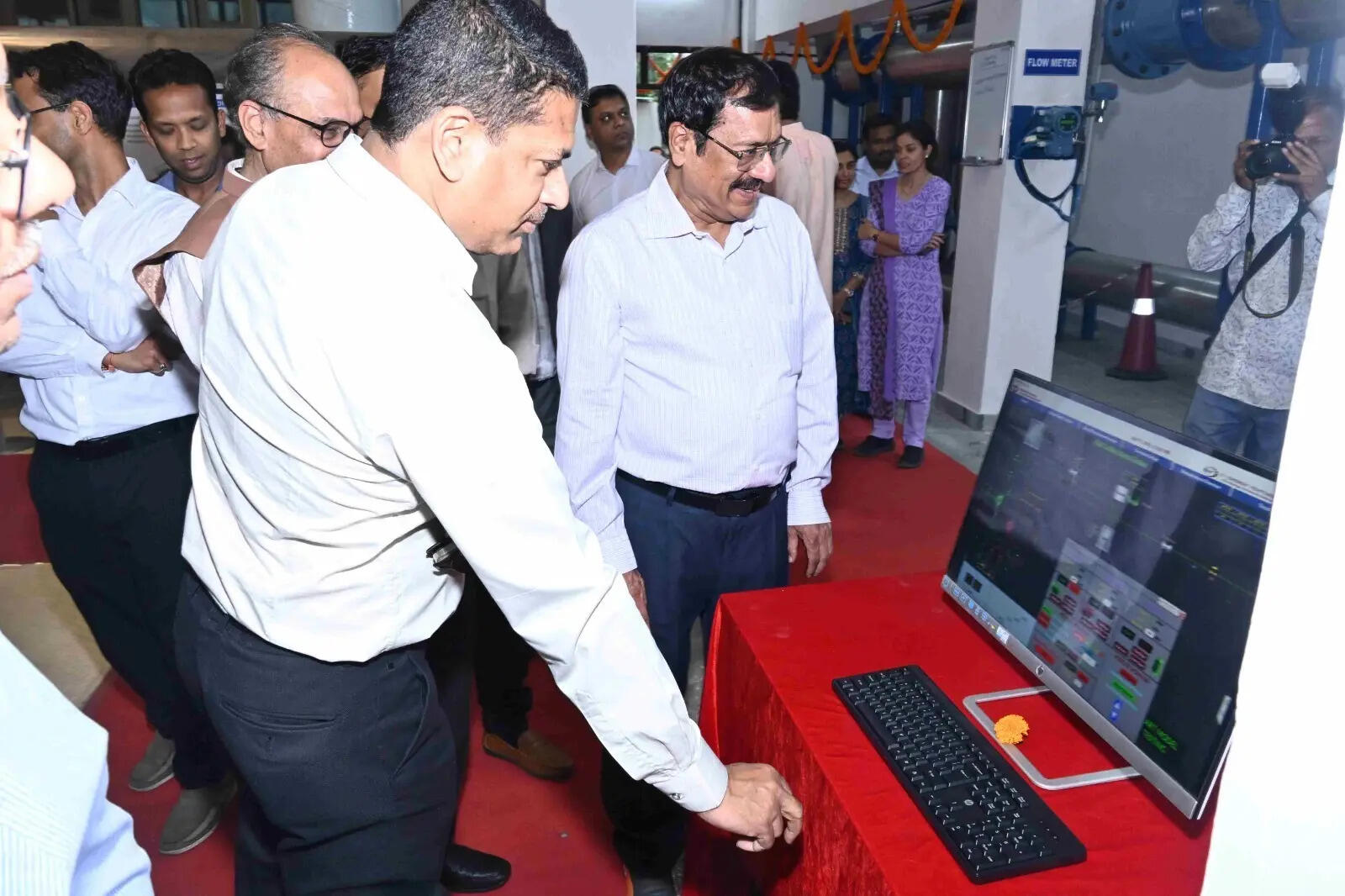
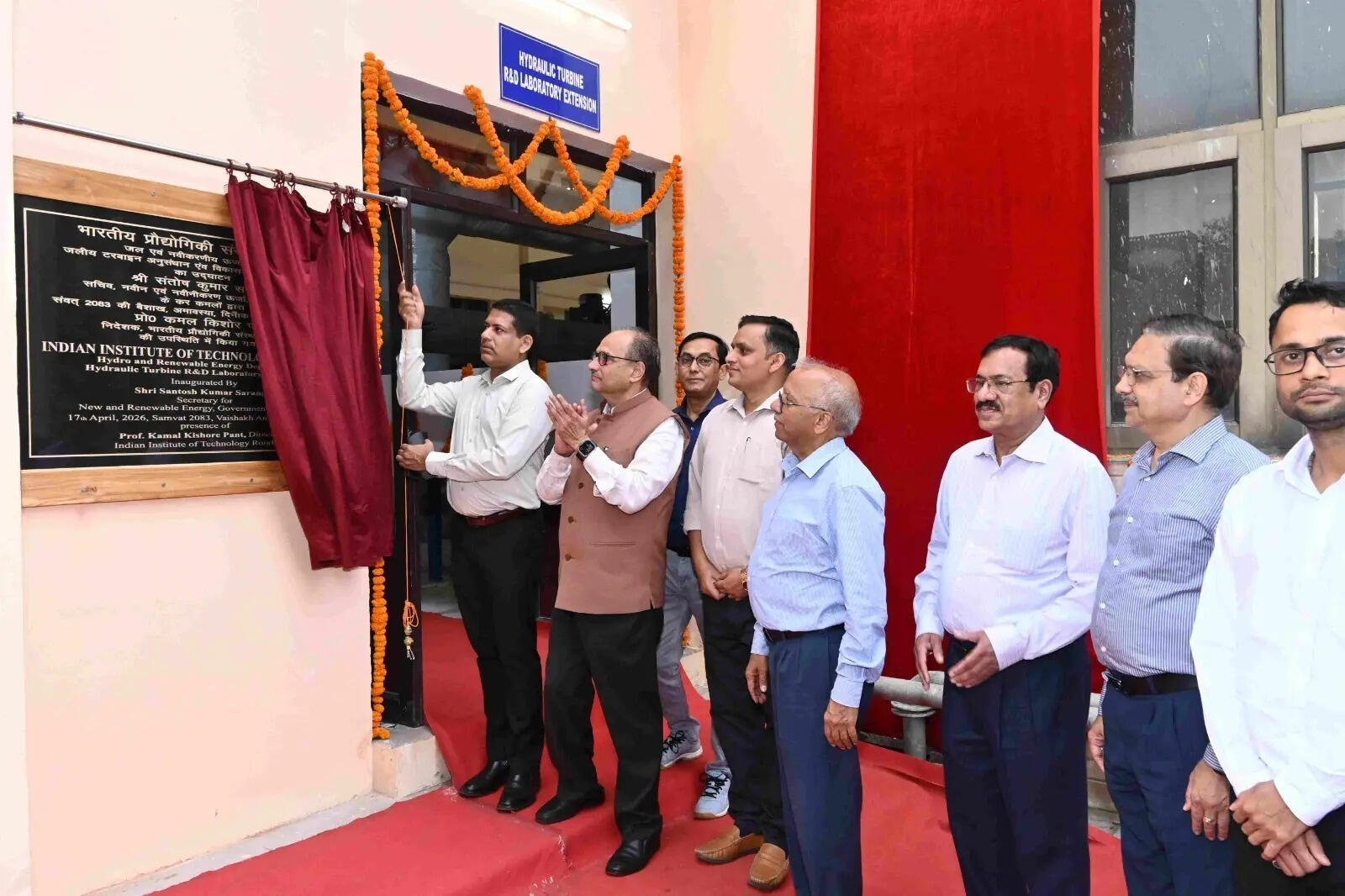
Roorkee: Indian Institute of Technology (IIT) Roorkee has set up the country’s first dedicated research facility to generate electricity from ultra-low water heads and flowing streams, a segment long considered unviable, in a move aligned with India’s Net Zero 2070 goals.The facility comprises two units — the Ultra-Low Head (ULH) Laboratory and the Hydrokinetic Turbine (HKT) facility — at the institute’s department of hydrology and renewable energy. These are designed to harness energy from water sources that conventional hydropower technologies cannot utilise.The ULH Lab focuses on generating power from minimal height differences of 1–4 metres, commonly found in canal drops, barrages and treatment outfalls.
It will test advanced turbine designs, including propeller and screw turbines. The HKT facility, on the other hand, produces electricity from the natural flow of rivers and canals without requiring height differences or large infrastructure, offering a low-impact decentralised energy solution.The facility was inaugurated on Tuesday by Santosh Kumar Sarangi, secretary, ministry of new and renewable energy, who said small hydropower would play a key role in electrifying remote regions and generating employment.
“It reflects the govt’s push to accelerate small hydro deployment and clean energy goals,” he said.Officials said the twin facilities could unlock significant small hydro potential by enabling power generation in low-head and free-flowing water systems.During his visit, Sarangi reviewed ongoing research in hydro, solar, biomass, hydrogen and grid integration, and visited the Mohammadpur Power House and the Chilla hydropower project on the Ganga.IIT Roorkee director Prof Kamal Kishore Pant said the initiative would help tap underutilised water resources for “clean, reliable and decentralised energy.”
Attachment
Attachment