
Rice is a carbohydrate staple, but scientists are giving it a protein-rich makeover. Enter ‘designer rice’: a high-protein, low-GI innovation that transforms how we fuel our bodies. Scientists at CSIR – National Institute for Interdisciplinary Science and Technology in Thiruvananthapuram, Kerala, have developed this rice, which is touted to pack “three times the protein of normal grains while maintaining a low glycemic index to help manage diabetes”. “By transforming broken rice into a nutrient-dense powerhouse, this innovation aims to nourish millions and tackle malnutrition one plate at a time,” CSIR, India states in a post on X.
White rice, often a comfort food for many, fuels over half the global population, but scientists note that polished white rice carries a silent burden owing to its starch content, which the body quickly turns into sugar, contributing to a rising tide of Type 2 diabetes.
DISCLAIMER: This article is based on information from the public domain and/or the experts we spoke to. Always consult your health practitioner before starting any routine.
According to CSIR India’s post, this designer rice is not merely a “grain with vitamins and minerals merely sprayed onto its surface”, it is a “fundamental re-architecture of our most basic staple”. “By deconstructing the rice grain into its primary components — starch, protein, and fibre — and then precisely reassembling them, scientists have created a nutrient-dense food that functions as a proactive, structural solution for metabolic health. This process allows the rice to retain its familiar taste and cooking properties while delivering a superior nutritional profile,” it reads.
Dr C. Anandharamakrishnan, Director, CSIR-NIIST and the visionary behind the project, noted, “To understand this, imagine a building. If traditional rice is a house made mostly of ‘sugar bricks’ (starch), the CSIR-NIIST team took that house apart. They removed a significant portion of the starch and replaced it with ‘protein beams’.”
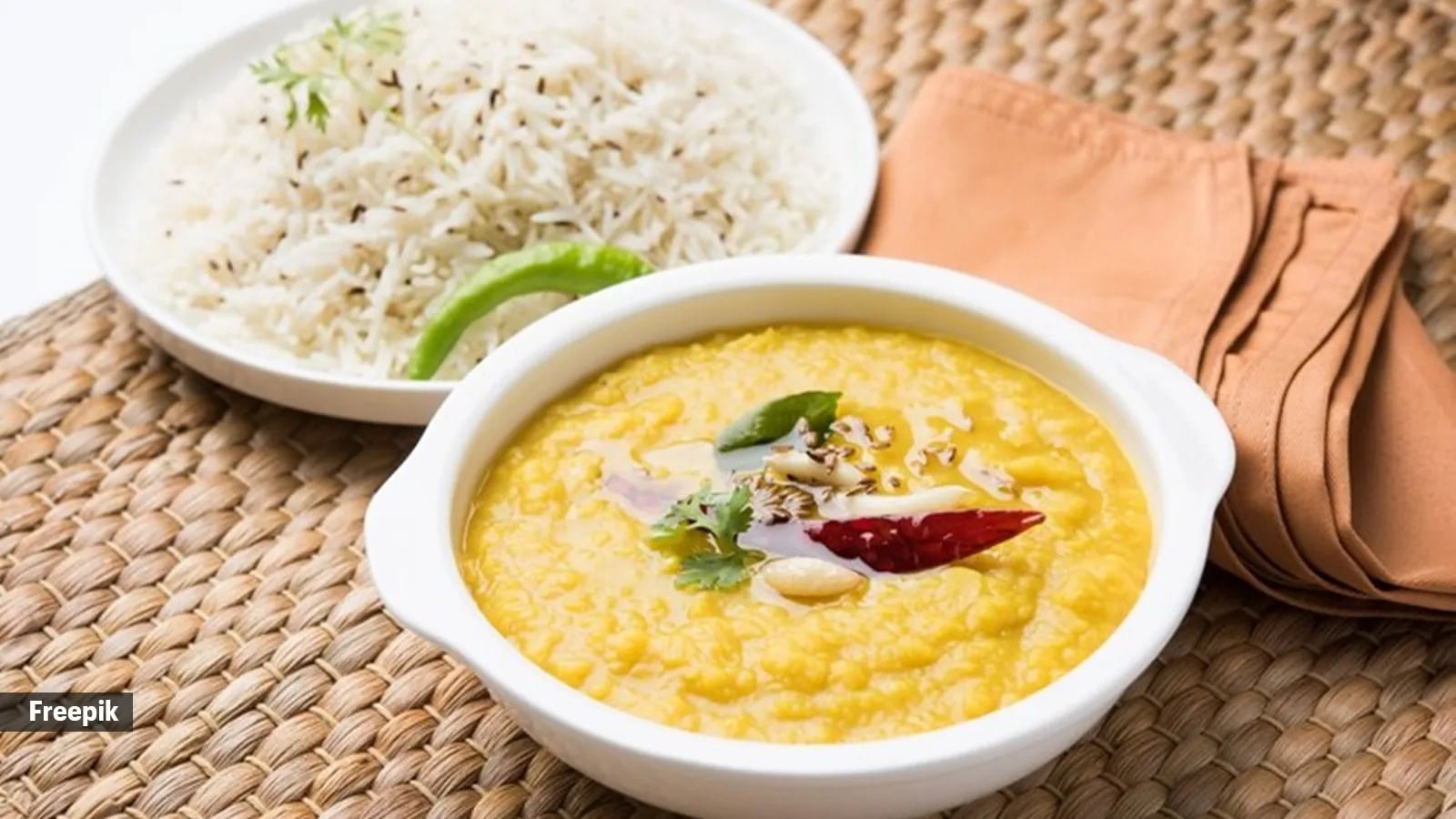 Traditional white rice has starch (Photo: Freepik)
The team of scientists did not opt for genetic modification. Instead they used “food-processing technology” where they took the broken rice, the bits usually sold at a discount, ground them into flour, and blended them with protein and micronutrients like iron, folic acid, and vitamin B12. They then “reformed” this mixture into grains that look, feel, and taste exactly like the rice we know, their press statement read.
According to the scientists, designer rice benefits as it has a low GI which is below 55. “It releases energy slowly, preventing the sugar spikes that plague diabetics.”
— CSIR, India (@CSIR_IND) March 11, 2026
Protein powerhouse: While normal rice has about 6–8 per cent protein, this version boasts over 20 per cent.
Story continues below this ad
Fortified defense: It bridges the gap for anaemia by embedding iron, folic acid and Vitamin B12 directly into the grain’s structure.
The rice is also set to be commercialised to be available in one’s local grocery stores for which “CSIR-NIIST has officially transferred this technology to industry giants like Tata Consumer Products Limited”.
“It tastes even better than normal rice because of the increased protein,” said Dr Anandharamakrishnan.
As per him, it doesn’t require people to change their culture. “You don’t have to switch to expensive quinoa or salads; you just keep eating the rice you love, but with three times the nutrition.”
More about the rice
Story continues below this ad
Designer rice gets its name from how it is specially made for better nutrition, said Dt Amreen Sheikh, chief dietitian, KIMS Hospitals, Thane.
“Unlike regular rice, which is naturally high in starch, this type is scientifically altered to improve its nutrient content. Think of it as rice that has been revamped in a lab using food-processing methods. Excess starch is reduced and replaced with protein and essential micronutrients like iron, folic acid, and vitamin B12. The term ‘designer’ highlights this intentional modification of the grain to meet specific health needs, similar to how functional foods are made for specific benefits.”
How is it different from regular rice?
The main difference is in its makeup. Traditional white rice is mostly made of carbohydrates and has a higher glycemic index (GI), leading to quicker spikes in blood sugar. Designer rice, however, is designed to have more protein and a lower GI. “This not only makes it more balanced nutritionally, but it can also be better for people who want to manage blood sugar levels or feel fuller longer. Importantly, this innovation doesn’t use genetic modification; it processes broken rice, fortifies it, and reshapes it into rice-like grains,” said Sheikh.
How will it impact your protein intake?
For people in regions where rice is a staple, even a small nutritional improvement can make a big difference, Sheikh asserted. “By boosting the protein content in a commonly eaten food, designer rice can help fill everyday protein gaps, especially for vegetarians or those with limited access to varied protein sources. While it shouldn’t replace other protein-rich foods like beans, dairy, or eggs, it can be a helpful addition to daily intake. Over time, this could lead to better muscle health, increased feelings of fullness, and more stable energy levels,” Sheikh shared.
Story continues below this ad
Who can benefit the most from it?
According to Sheikh, this rice could be especially useful for those with higher protein needs, like growing children, older adults, and those recovering from illness. “It may also help people managing diabetes or weight due to its lower glycemic impact. However, like any food innovation, it works best as part of a balanced diet rather than as a sole solution.”
DISCLAIMER: This article is based on information from the public domain and/or the experts we spoke to. Always consult your health practitioner before starting any routine.