
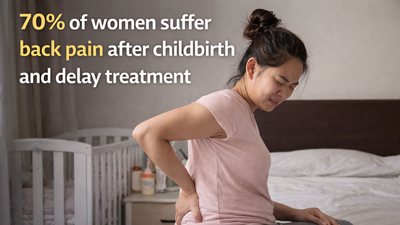
Back pain after pregnancy is becoming common among the majority of women, yet it is ignored until it becomes severe, increasing the risk of chronic spine conditions. What is often dismissed as a normal part of recovery can affect mobility and overall well-being.
Hence, new moms should take utmost care of their spines as advised by the experts.Dr Mohit Muttha, Spine Surgeon, Apollo Spectra Hospital, Pune, said, “During pregnancy, a woman’s body tends to undergo changes that put pressure on the spine. Weight gain, changes in posture, and weakening of core muscles shift the body’s balance, leading to strain on the lower back. Hormonal changes also play a major role as the body releases a hormone called relaxin, which loosens ligaments and joints to prepare for childbirth.
While this is necessary, it can lead to instability in the spine and pelvis, inducing pain and discomfort. After delivery, the problem can further worsen due to poor posture while breastfeeding, lifting the baby incorrectly, lack of rest, and inadequate physical recovery. These factors can lead to constant pain, stiffness, and even long-term spine issues if not addressed early.”Dr Mohit Muttha further added, “70% of women suffer from back pain post-pregnancy.
In a month, 7 out of 10 women aged 25-37 come with symptoms like lower back pain, muscle stiffness, difficulty in bending or lifting, and discomfort while sitting or standing for a long time. If ignored, it may progress to excruciating pain, a slipped disc, affecting a woman’s ability to take care of the child, and even perform daily activities will be challenging.
Make sure to maintain proper posture while feeding or even holding the baby, try to avoid sudden bending, and follow correct lifting techniques.
Opt for gentle postnatal exercises as advised by the expert. Use supportive chairs and cushions without fail while sitting. Take rest and don’t overexert, and seek help if pain exists beyond a few weeks.”“During pregnancy, the spine goes through stress because of weight gain, postural changes, hormonal changes, improper lifting techniques, and lack of core strength. Around 50% of women experience back pain after pregnancy.
Monthly, nearly 5 out of 10 women aged 25–37 visit with complaints such as ongoing back discomfort, reduced flexibility, fatigue in the lower back, and difficulty managing daily movements like sitting, standing, or lifting.
Early care, simple lifestyle changes like maintaining good posture, staying hydrated, bending with the right technique, and guided exercises can be beneficial for women. With the right approach, most women can recover well and return to their normal routine without long-term complications,” said Dr. Ritu Agarwal, Gynecologist, Zynova Shalby Hospital, Mumbai.