
ETimes.in / Apr 24, 2026, 18:04 IST
AA
Text Size
- Small
- Medium
- Large

1/12
Why vitamin B12 matters for your body
Vitamin B12 is a nutrient that we do not really give much thought to, yet it plays some of the biggest and most significant roles in our body. It is a neuro-metabolic vitamin; it just means that it supports your brain and your metabolism. Vitamin B12 is involved in nearly all important processes, including the assistance in the formation of red blood cells, maintenance of the health of your nerves, and the production of DNA.
2/12
Early signs of vitamin b12 deficiency
The lack of it in your body may manifest in various forms. Anemia may leave you feeling constantly tired, weak or short of breath. The nervous system becomes affected, causing some people to experience tingling in their hands and feet, memory problems or even mood changes. These symptoms are not easily noticeable at the outset and this makes Vitamin B12 deficiency remain unnoticed until it escalates.
3/12
Why diet is the only source of vitamin b12
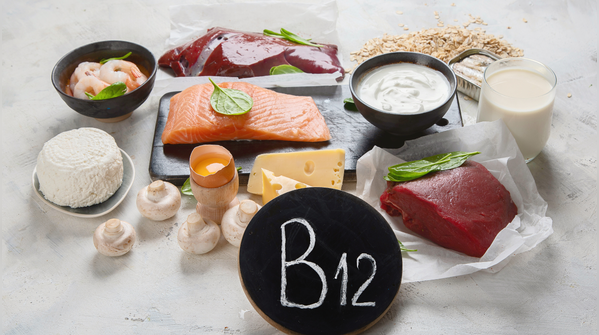
Among the largest problems of Vitamin B12 is the fact that our body is not able to produce it internally. We need to get it from our diet. And this is where the gap starts particularly to vegetarians.

4/12
Vegetarian sources of vitamin b12 and how to include them
Vitamin B12 in vegetarian sources is rather scarce. Dairy products such as milk, curd, paneer, cheese and even beverages such as lassi do contain some. These can be simply added to your daily menus – you can add paneer to parathas or have a bowl of curd with lunch. There are also fortified foods like breakfast cereals, oats, plant-based milk (such as soy or almond milk), fortified tofu, and nutritional yeast that can help increase your intake. The catch here is that you have to look keenly at the labels so as to be sure that it is indeed fortified with Vitamin B12.
5/12
Why vegetarians face a higher risk of deficiency
With these options, there is still a risk that many vegetarians will not get their daily need. This is the reason why deficiency is more prevalent in vegetarian groups.
6/12
Non-vegetarian sources rich in vitamin b12
Vitamin B12 is, however, much more abundant in non-vegetarian foods. Good amounts can be provided by chicken, mutton, red meat and eggs. One of the richest sources and capable of significantly boosting B12 levels is liver should it be included in the diet. It is also practical to add eggs to the daily meals.
7/12
Absorption challenges you should know about
However, here is a key point, simply consuming foods high in Vitamin B12 does not necessarily mean that it is being absorbed in your body. Low levels are still experienced by many because of problems of absorption. Some medical conditions like those of the stomach or intestines may decrease the absorption of this vitamin in your body. In addition, such drugs as metformin (diabetes) and acidity (proton pump inhibitor) medications are commonly used and may interfere with absorption in the long term.

8/12
Daily requirement and widespread deficiency
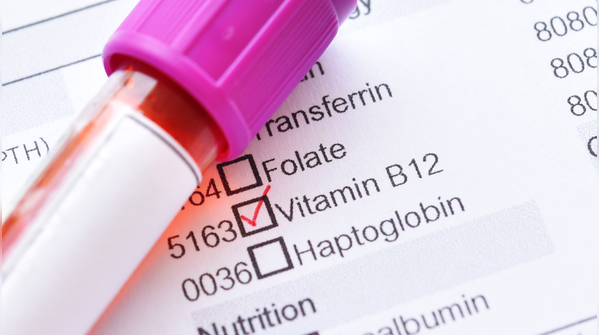
The mean adult requires approximately 2.4 micrograms of Vitamin B12 in a day. Yet, research indicates that almost half of the Indian population might be deficient. It is quite a considerable amount and demonstrates how easy it is to forget about this nutrient.

9/12
Simple daily habits that affect absorption
Even the everyday routine can help. As an illustration, consumption of tea or coffee just before or just after meals can limit the absorption of Vitamin B12. It’s a little thing, but it can make your body utilize the nutrients you intake more effectively by spacing them out between meals.
10/12
When supplementation becomes necessary
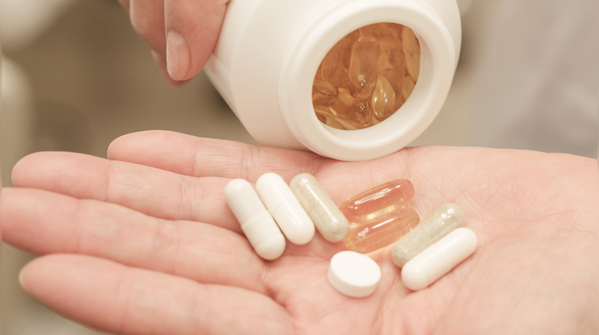
In case of a balanced diet, but low Vitamin B12 levels, supplementation may be required. It can either be in the form of tablets or it can be injections depending on the level of deficiency. However, it’s important not to self-medicate. It is always advisable to take these supplements under the guidance of a doctor because they are not advised to take too much of them.

11/12
The bottom line on vitamin b12 health
Finally, Vitamin B12 is necessary to your energy, brain functioning, and well-being. Giving a small consideration to what you eat, knowing the symptoms of deficiency, and having your levels checked when necessary can go a long way in keeping you healthy.
(Dr Shaheen Guy, Medical Officer, Saifee Hospital, Mumbai)

Follow Us On Social Media


